Toothache, Why It Hurts and What To Do About It
- Toothache is a symptom, pain in or around a tooth, not a diagnosis.
The pain pattern (sharp vs dull, brief vs lingering, provoked vs spontaneous, localised vs diffuse) tells you what is causing it.









What Toothache Is
Toothache is a symptom, pain in or around a tooth, not a diagnosis. The pain pattern (sharp vs dull, brief vs lingering, provoked vs spontaneous, localised vs diffuse) tells you what is causing it. The most common causes are dental decay (caries), inflamed pulp (pulpitis), tooth abscess, cracked tooth, dentine hypersensitivity, post-restoration sensitivity, and impacted wisdom teeth. Less common causes include sinus pain referred to upper teeth, temporomandibular joint dysfunction referred to teeth, atypical odontalgia (chronic neuropathic pain), and rarely cardiac pain referred to the lower jaw.
The decision tree we run on toothache presentation begins with severity and pattern, identifies the likely cause, and routes treatment accordingly. There is no single treatment for "toothache", every cause has its own treatment, and treating the wrong cause will fail predictably.
At Stunning Dentistry
The toothache diagnostic begins with the question "what kind of pain is this?" not "which tooth is it?" The pattern points to the cause; the cause determines the treatment. The protocol is SD-DX-PAIN, signed at consult by the case-managing clinician.
Questions about this procedure?
What Causes Toothache, Quick Reference
| Pain pattern | Likely cause | What to do |
|---|---|---|
| Sharp, brief pain to cold / sweet stimuli | Hypersensitivity OR early caries | See a dentist within 4 weeks |
| Sharp, lingering pain to cold (>30 sec) | Reversible pulpitis (early caries reaching pulp) | See a dentist within 1 week |
| Spontaneous, lingering, throbbing, worse lying down | Irreversible pulpitis OR periapical abscess | Same-week appointment |
| Sharp pain on biting at one tooth | Cracked tooth syndrome | Same-week appointment |
| Throbbing pain + swelling + tooth feels "lifted" | Periapical abscess | Same-day appointment |
| Pain + facial swelling + fever + difficulty swallowing | Spreading infection | Emergency room |
| Pain at lower-back tooth + difficult to clean + recurrent | Pericoronitis (impacted wisdom) | Same-week appointment |
| Pain on multiple upper teeth + nasal congestion | Sinusitis referred pain | See GP or ENT |
| Aching / clicking jaw + pain on chewing | TMJ dysfunction | See dentist; may not be tooth |
| Recent filling / crown / RCT, sensitivity | Post-treatment sensitivity, normal | If >2 weeks, see dentist |
| Lower jaw pain + chest tightness or sweating | Cardiac referred pain, RARE | Emergency room |
Ready to discuss your options?
The Common Causes in Detail
1. Caries (Dental Decay)
The most common single cause. Bacterial breakdown of tooth structure creates a cavitated lesion; as the lesion deepens, it approaches the pulp. Early caries: sensitivity to sweet foods. Deeper caries: sensitivity to cold. Caries reaching pulp: pulpitis.
Treatment: filling (composite, glass-ionomer, amalgam) for shallow-to-moderate; root canal or extraction for caries reaching pulp.
2. Pulpitis
Inflammation of the dental pulp. Two clinical categories:
- Reversible pulpitis, sharp pain to cold, brief duration, settles when stimulus removed. Pulp can recover if the cause (typically caries) is treated.
- Irreversible pulpitis, sharp pain that lingers after stimulus, spontaneous pain, often worse at night when lying down. Pulp cannot recover; root canal or extraction is required.
3. Tooth Abscess
A localised collection of pus from bacterial infection at the apex of a non-vital tooth (periapical), in a periodontal pocket (periodontal), or under the operculum of a partially-erupted tooth (pericoronal). Pain pattern: throbbing, intense, often worse at night, may be accompanied by swelling and a "tooth feels lifted" sensation. See Tooth Abscess page for full diagnostic and treatment detail.
4. Cracked Tooth Syndrome
A fracture in enamel and dentine that may not be visible. Pain pattern: sharp pain on biting at one specific tooth, often relieved when biting pressure is released. Diagnosis by tactile fracture test, transillumination, and (sometimes) staining of the fracture line.
Treatment: crown to splint the cracked tooth (full coverage prevents further crack propagation), with or without prior root canal depending on whether the crack reaches the pulp. Cracks below the gum line have hopeless prognosis and the tooth is extracted.
5. Dentine Hypersensitivity
Sharp, brief pain to thermal/sweet/acid stimuli where no other dental disease is present. Cause: exposed dentine (gum recession, enamel erosion, abrasion). See Tooth Sensitivity page.
6. Post-Restoration Sensitivity
Sensitivity in the days/weeks after a filling, crown, scaling, or root canal. Usually transient (resolves in 2-4 weeks). Persistent sensitivity beyond 4 weeks warrants reassessment.
7. Pericoronitis
Inflammation around the partially-erupted wisdom tooth. Typical pattern: pain at the back of the lower jaw, radiating to the ear or down the throat. Often recurs in cycles. Treatment: drainage and irrigation, antimicrobial mouthrinse, decision on operculectomy vs extraction of the wisdom tooth.
8. Sinus-Origin Pain
The roots of upper posterior teeth sit very close to the floor of the maxillary sinus. Sinusitis can present as pain in upper molars and premolars, typically multiple teeth at once, accompanied by nasal congestion or sinus tenderness on palpation. Cold tests on the affected teeth will be normal (vital pulps). Treatment: address the sinusitis (GP or ENT referral); the dental "pain" resolves when the sinusitis does.
Curious about costs and timelines?
When To See Whom
| Symptom | Action |
|---|---|
| Severe pain that wakes you up | Same-day dental clinic |
| Toothache + swelling + fever | Same-day; emergency room if facial swelling spreading |
| Cracked tooth, sharp on biting | Same-week dental |
| Cold-sensitive but settles | Routine, within 4 weeks |
| Pain at recent restoration site | If under 2 weeks: monitor; if over 2 weeks: see dentist |
| Wisdom-tooth back-of-jaw pain | Same-week dental |
| Multiple upper teeth + nasal congestion | GP or ENT first |
| Severe pain unresponsive to OTC analgesia | Same-day dental; emergency room if very severe |
| Pain + spreading facial swelling | Emergency room |
| Lower jaw pain + chest tightness or sweating | Emergency room (rule out cardiac) |
Want a personalised treatment plan?
What To Do Before Your Appointment
- Take paracetamol or ibuprofen as directed on the packaging (combination of both is evidence-supported for dental pain and is more effective than either alone).
- Apply a cold compress to the cheek if there is swelling.
- Avoid heat to the affected area (heat can accelerate spread of infection).
- Avoid chewing on the affected side.
- If a clove-oil home remedy is at hand it is harmless on intact gum but should not delay professional assessment.
- Do NOT place an aspirin tablet against the gum (causes chemical burn).
- Do NOT delay assessment if the pain is severe, spontaneous, lingering, or accompanied by swelling/fever.
At Stunning Dentistry
The WhatsApp concierge handles after-hours toothache cases. Patients can describe symptoms via voice note; the on-call clinician triages within an hour and routes to same-day clinic visit, partner-hospital emergency, or next-day appointment as appropriate. The protocol is SD-EMRG-DENTAL-04.
Questions about this procedure?
Diagnosis at the Clinic Visit
The diagnostic work-up:
- Focused dental history, pain onset, character, duration, factors that aggravate or relieve, medications, recent dental work.
- Clinical examination, tooth identification, percussion test, palpation, tooth mobility, occlusion check, soft-tissue assessment, sinus palpation if indicated, jaw-joint examination if indicated.
- Pulp testing, cold test, electric pulp test, to determine vitality of the suspect tooth and adjacent teeth.
- Imaging, periapical radiograph at the suspect tooth; bitewing radiograph for adjacent teeth; CBCT if cracked-tooth or unusual anatomy is suspected.
- Differential reasoning documented in the consultation note.
Ready to discuss your options?
What Treatment Looks Like, Cause by Cause
EMI options on RCT-and-crown packages and on full-mouth treatment plans.
| Cause | Definitive treatment | Cost band (INR) |
|---|---|---|
| Caries (shallow/moderate) | Filling, composite preferred | Priced per tooth at consult |
| Caries (deep, reaching pulp) | Root canal + crown OR extraction | Priced per plan at consult |
| Reversible pulpitis | Treat caries, monitor pulp | As filling cost |
| Irreversible pulpitis | Root canal treatment | from $50 |
| Periapical abscess | Drainage + RCT or extraction | Priced per plan at consult |
| Cracked tooth | Crown ± prior RCT | Priced per plan at consult |
| Hypersensitivity | Conservative therapy + ID cause | Priced at consult |
| Pericoronitis | Drainage + operculectomy or extraction | Priced at consult |
Curious about costs and timelines?
Prognosis
Treatment-cause-matched: 95%+ resolution of toothache. Untreated toothache: typically progresses; the underlying cause does not resolve spontaneously in most cases. Untreated pulpitis becomes pulp necrosis becomes abscess becomes (rarely) systemic infection. Untreated cracked teeth typically split further and become unsalvageable.
Want a personalised treatment plan?
What We Do at Stunning Dentistry for Toothache
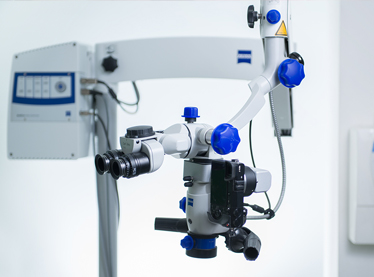
The toothache pathway is triaged at first contact (in-clinic, phone, or WhatsApp). Acute presentations are scheduled same-day; routine presentations within the appropriate window. The diagnostic work-up is documented in the consultation note; the treatment plan is presented with the cause-and-rationale framing before any irreversible work begins. Endodontic treatment is performed under microscope by Dr. Vivek Menon (Lead Endodontist); restorative work by Dr. Aditya Verma; surgical extractions and impacted-tooth cases by Dr. Ravi Sharma.
Lead Clinicians On Your Case
The named bench you are paired with on day one of diagnosis:
- Lead Prosthodontist, owns the prosthetic plan, the digital articulator mount, the definitive material choice, and the year-1 occlusal review. Signs every case decision.
- Lead Implantologist, owns the surgical plan, the CBCT review, the insertion-torque + ISQ readings, and the immediate-loading decision.
- Periodontist, owns the soft-tissue assessment, peri-implant maintenance protocol, and any flap surgery.
- Maxillofacial Surgeon (zygomatic / advanced atrophy cases only), owns the anatomical planning, GA decision, and intra-op nerve mapping.
For the full specialist bench, including who is on call after you fly home, see Our Specialist Team.
At Stunning Dentistry
Your file is opened by name on day one. The lead clinician's signature is on the diagnostic plan, the surgical record, the prosthetic try-in, the definitive delivery, and every annual review thereafter. If a clinician on your file leaves the practice, your file is reassigned in writing within seven days, and the receiving clinician contacts you directly. Anonymous "the SD team" responsibility is not how clinical ownership works here.
Questions about this procedure?
Ready to discuss your options?
References
- Glick M. (2015). Burket's Oral Medicine. 12th ed. PMPH-USA.
- Hargreaves KM, Berman LH (eds). (2020). Cohen's Pathways of the Pulp, 12th ed. Elsevier.
- AAE (American Association of Endodontists). Diagnostic terminology. Most recent guidance.
- Renton T, et al. (2017). Pain caused by tooth and adjacent structures. Oral Diseases 23(4).
Curious about costs and timelines?
Specialist-only treatment planning
- Remote file review before travel
- Evidence-led treatment checkpoints
No waiting list for eligible cases
- Remote file review before travel
- Evidence-led treatment checkpoints
Trip coordinated with care timeline
- Remote file review before travel
- Evidence-led treatment checkpoints
Our Partners











Why Us
Frequently Asked Questions
Will the toothache go away on its own?
Some causes (post-restoration sensitivity, mild hypersensitivity) settle on their own. Most causes (caries, pulpitis, abscess, cracked tooth) do not. Spontaneous resolution of significant toothache is uncommon; the pain typically signals a problem that needs treatment.
Can I just take painkillers and wait?
Painkillers manage the symptom. They do not address the cause. If the pain is severe or lasts more than 48 hours, a clinic visit is appropriate.
Will I need a root canal?
Depends on the cause. Caries that has reached the pulp, irreversible pulpitis, periapical abscess, and cracked teeth often require root canal. Hypersensitivity, post-restoration sensitivity, and pericoronitis usually do not.
Are root canals painful?
Modern root canal under local anaesthesia is comfortable. Most patients report less pain during the procedure than they had from the pulpitis that brought them in.
Should I avoid certain foods?
Avoid hard or chewy foods on the affected side until you have been seen. Avoid extremely hot or cold foods if temperature triggers the pain.
See your new smile instantly!
This tool will help you understand potential structural and aesthetic changes before finalizing treatment decisions.