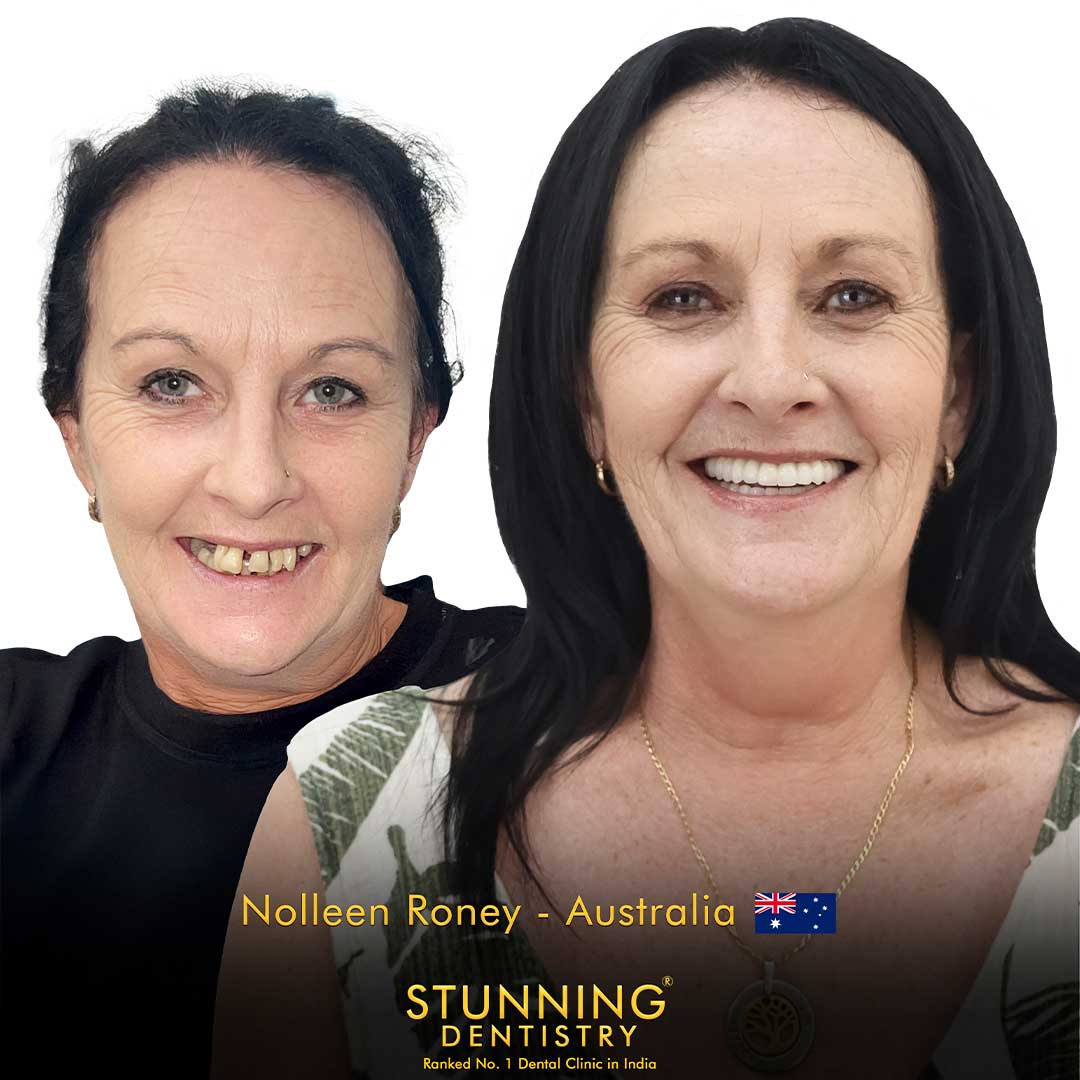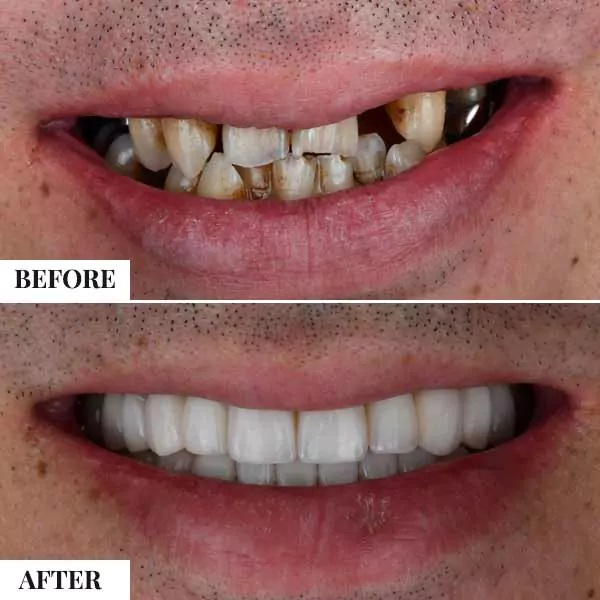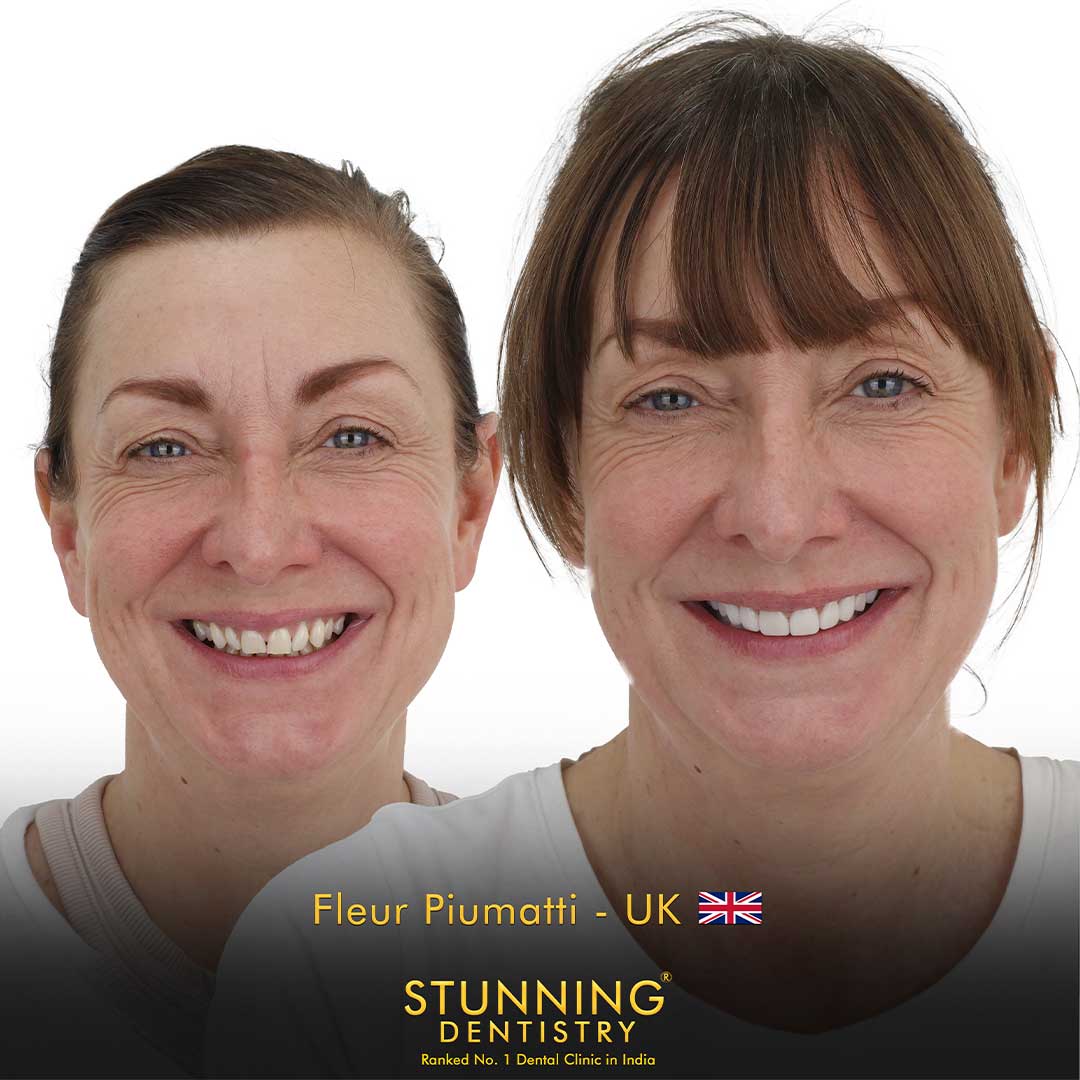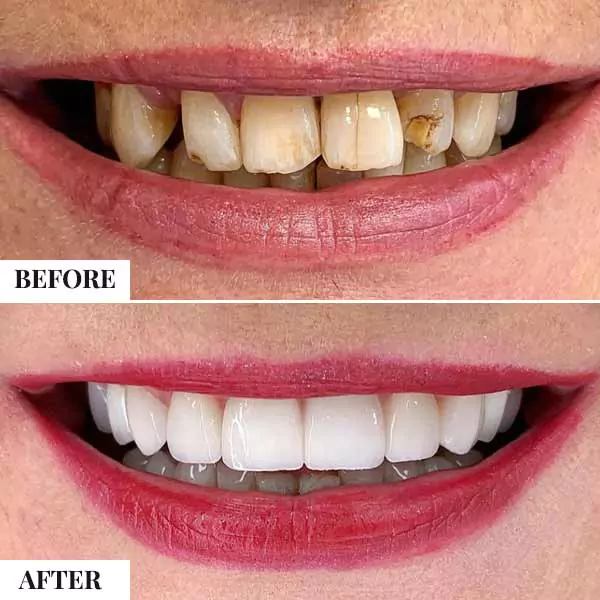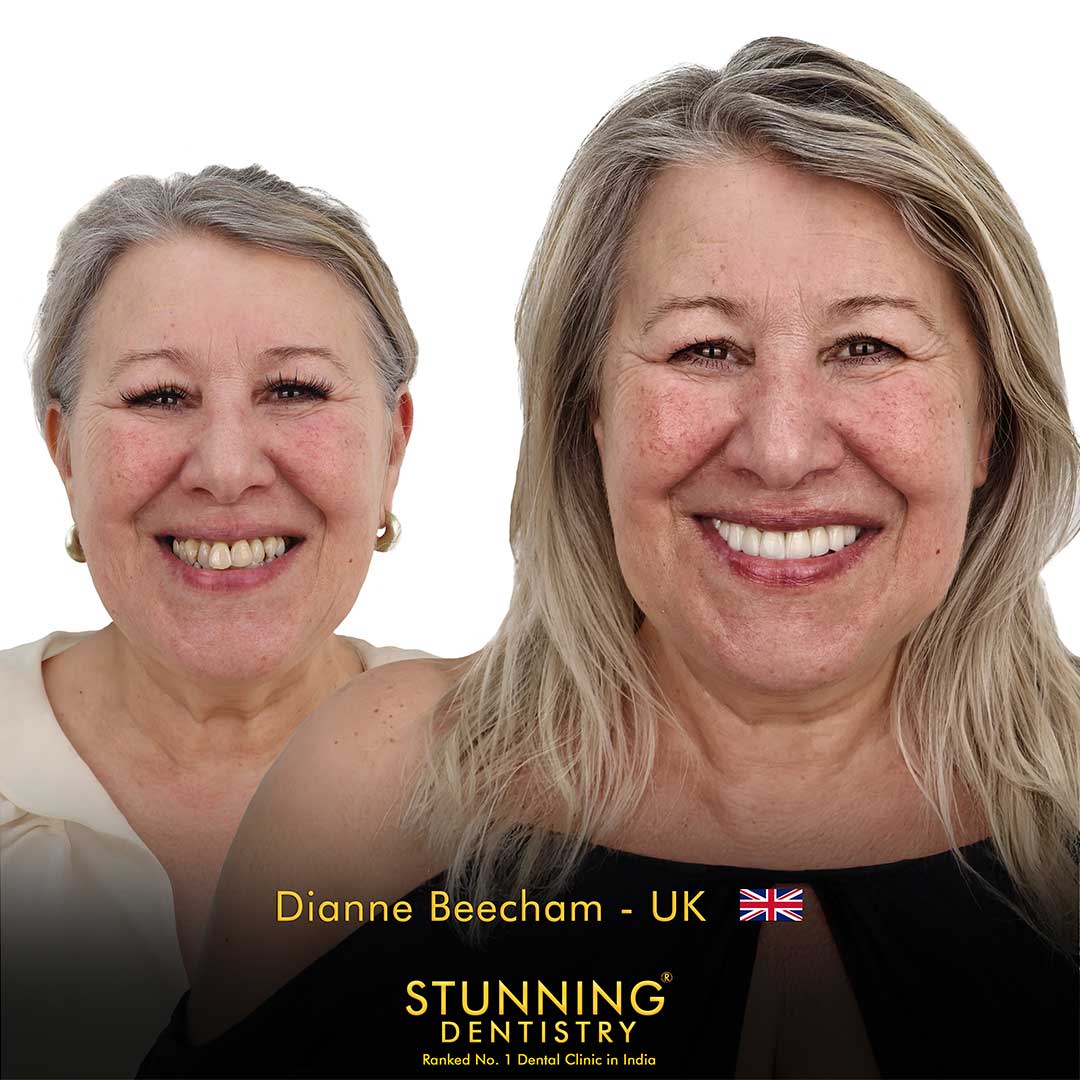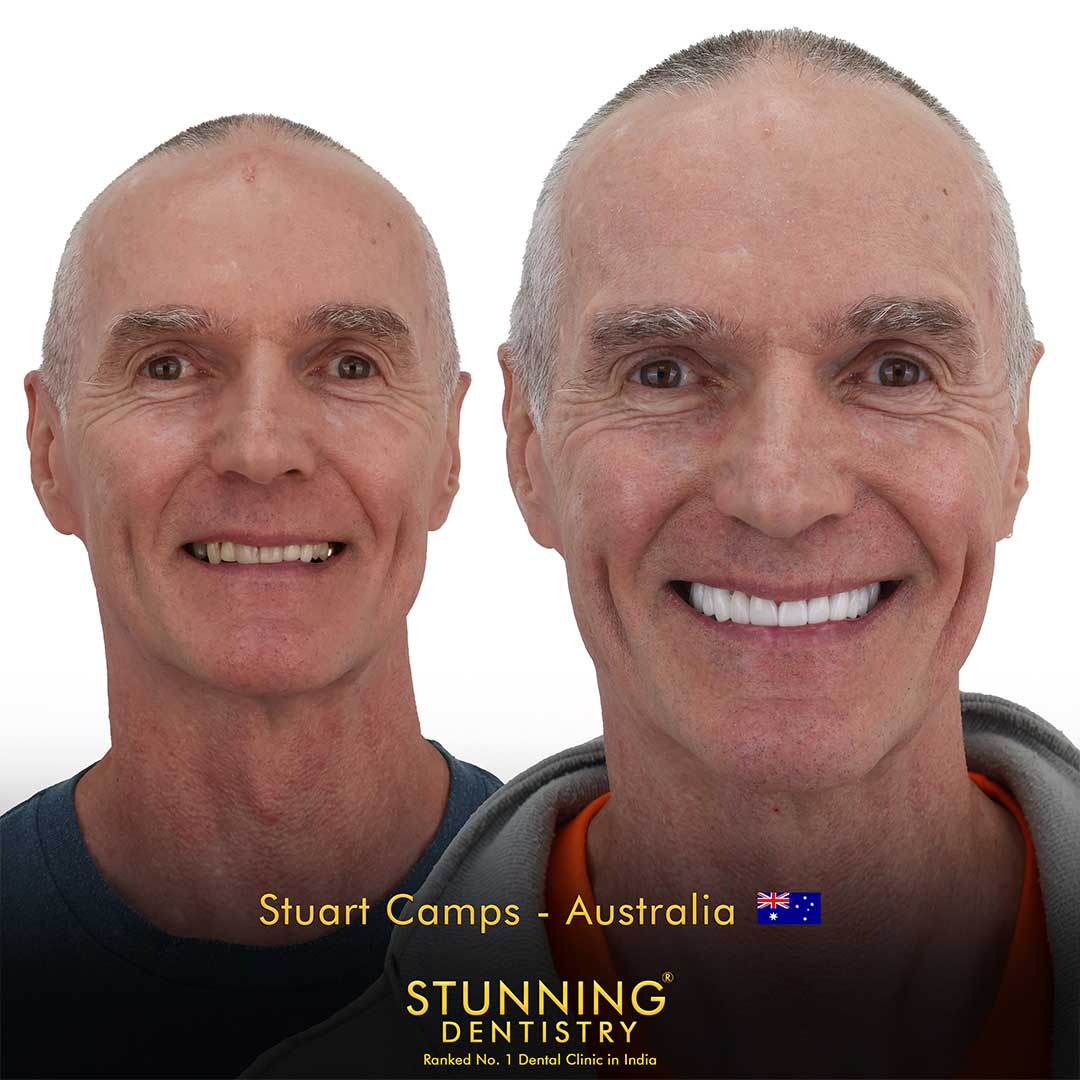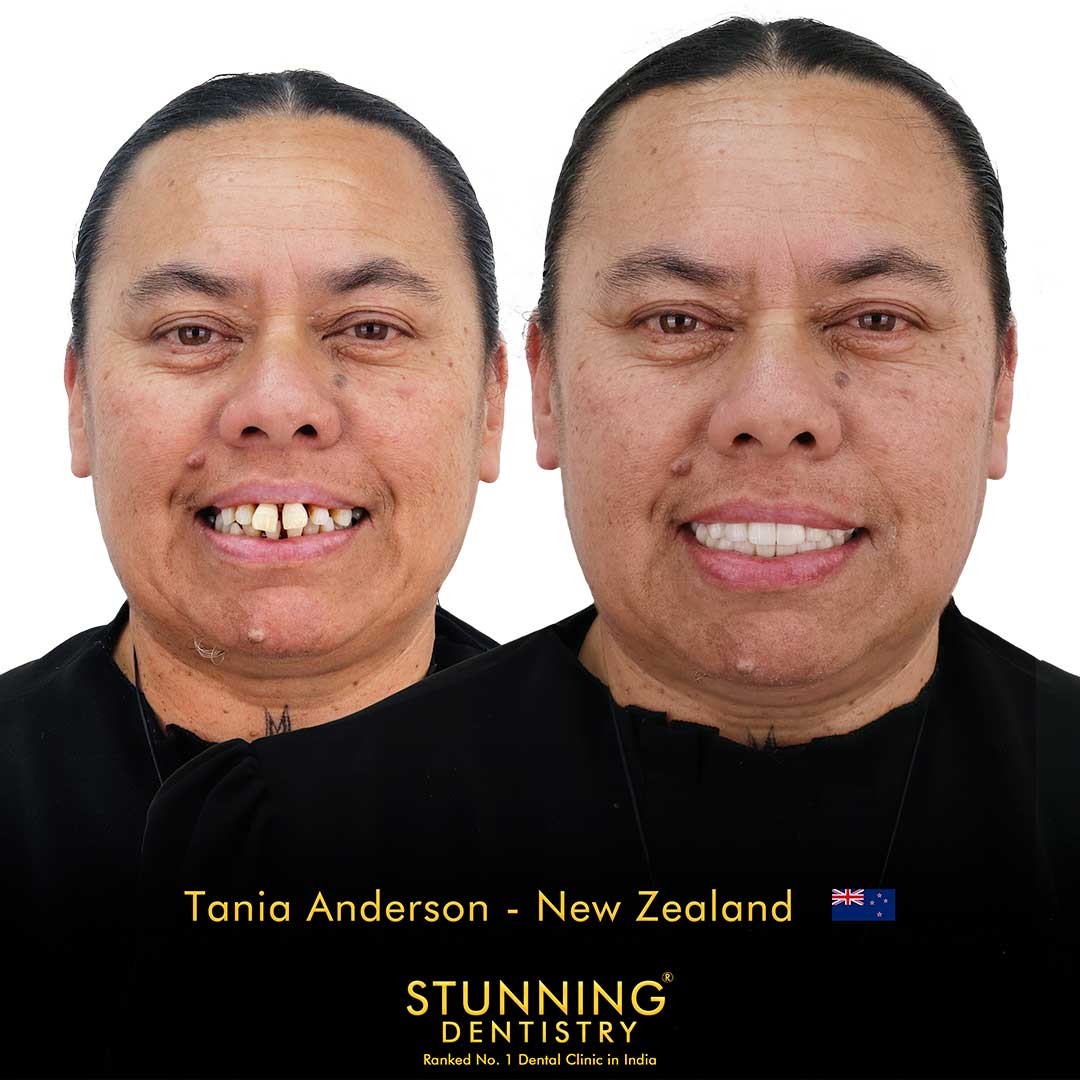
All-on-6 Dental ImplantsSix-Implant Full-Arch Reconstruction for Maximum Load Distribution
- All-on-6 exists at the intersection of two clinical realities: four implants are structurally sufficient for many full-arch cases, and structurally insufficient for others.
When a patient presents with a larger arch, a heavy masticatory force profile, or a bone geometry that produces an excessive A-P spread cantilever on four implants, adding two additional anchorage points resolves the mechanical problem without grafting, staging time, or a fundamentally different surgical approach.









Overview
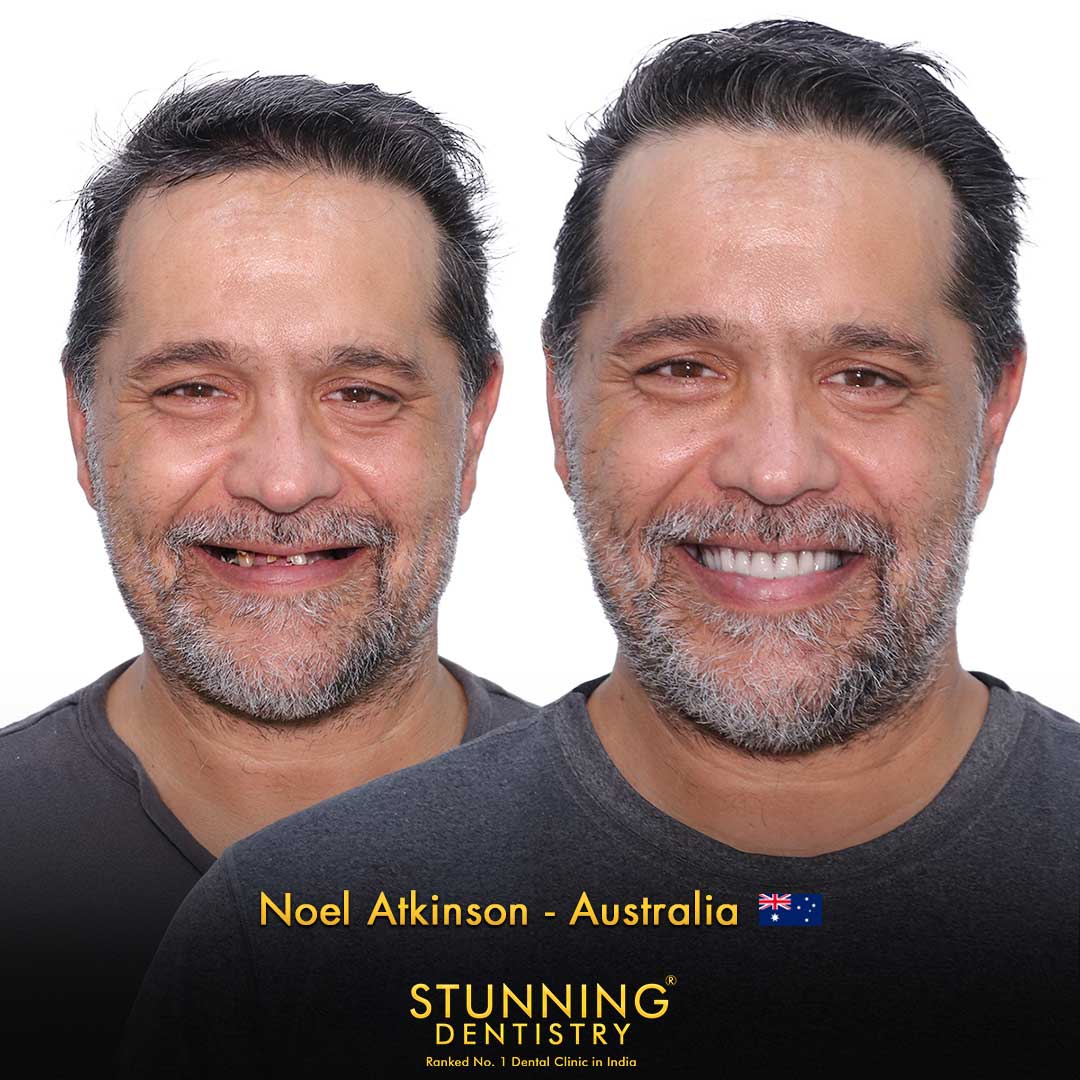
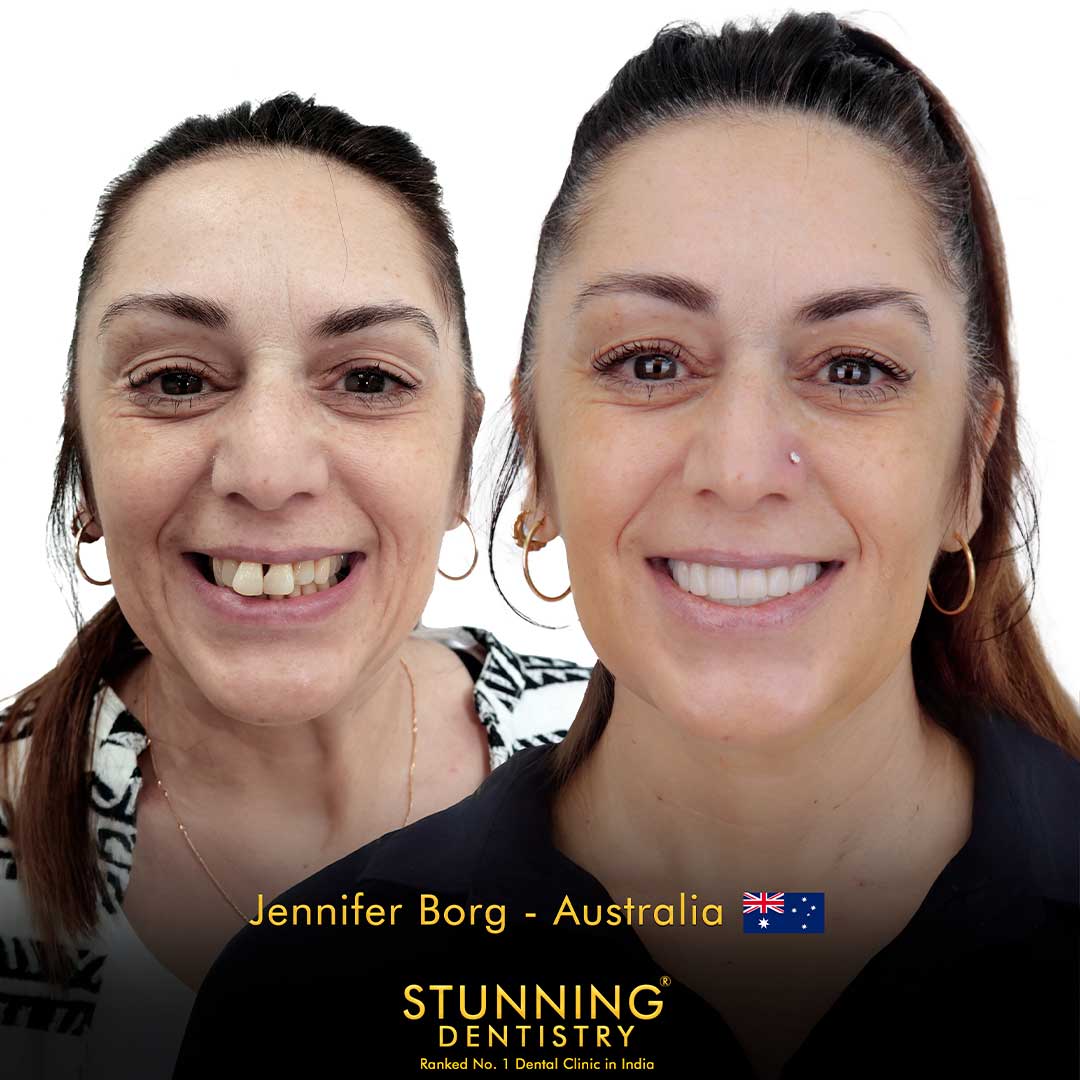
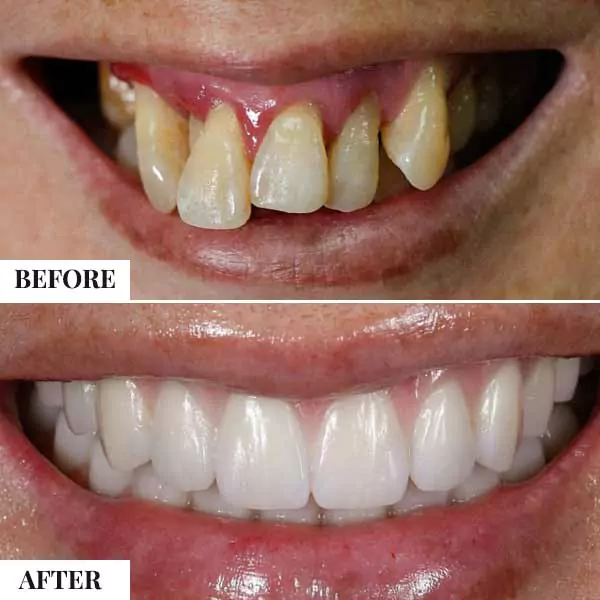
All-on-6 exists at the intersection of two clinical realities: four implants are structurally sufficient for many full-arch cases, and structurally insufficient for others. When a patient presents with a larger arch, a heavy masticatory force profile, or a bone geometry that produces an excessive A-P spread cantilever on four implants, adding two additional anchorage points resolves the mechanical problem without grafting, staging time, or a fundamentally different surgical approach. All-on-6 is not All-on-4 with extras, it is the correct protocol for a different patient population.
Full-arch implant-supported prostheses on six fixtures demonstrated significantly reduced cantilever length and peak crestal bone stress compared with four-fixture configurations in matched anatomical models, with a mean cantilever reduction of 7.3 mm.
If you have been evaluated for All-on-4 but your clinician identified a heavy bite force, a large arch, a first-molar contact requirement, or bone availability that supports more than four implants, All-on-6 is the clinically appropriate protocol. It is not a more expensive option arbitrarily, it is the answer to a specific mechanical problem that four implants cannot fully solve.
At Stunning Dentistry, All-on-6 is performed under the SD-FMR-05 protocol with the same dual-clinician sign-off, CBCT-guided planning, and gated immediate loading criteria as All-on-4. The additional two implants are not a precaution, they are the prescription for your arch's load-distribution requirement.
Questions about this procedure?
Why Choose Stunning Dentistry for All-on-6
The cost reality. All-on-6 at Stunning Dentistry costs substantially less than the same six-implant protocol in the New Zealand private market, enough that the total including return flights and accommodation typically remains well below the local treatment fee alone. The implant systems are identical; the difference is the cost structure, not the standard of care. The exact figure depends on your case and is confirmed in a written, itemised quote after diagnosis. For the New Zealand-versus-Stunning comparison, financing options, and a personalized quote, see Cost & Finance.
Precision, in our own lab. Every All-on-6 prosthesis is designed and milled in our in-house dental lab, on our own 3D printer, under our own quality control, so the prosthesis is never outsourced to a third party. We place Straumann, Nobel Biocare, and Osstem implant systems, plan every case with NZD/CAM workflows, and capture digital impressions with the TRIOS 3Shape scanner. The six-implant load distribution is calculated from your CBCT before any surgical step begins.
The trust strip. Written Lifetime Warranty | 25+ super-specialists | Forbes Best Dental Clinic India 4 years | AAID, AACD, and BACD affiliations | a 10-year open file with milestone reviews | Dr. Priyank Sethi, MDS Prosthodontics and Ph.D., lead clinician.
Before you commit to All-on-6, it is worth understanding the wider context: Why India for Dental Treatment, Why Stunning Dentistry, and whether dental implants abroad are safe. If you are comparing destinations, see how India measures against Bali and Turkey.
Ready to discuss your options?
What Is All-on-6?
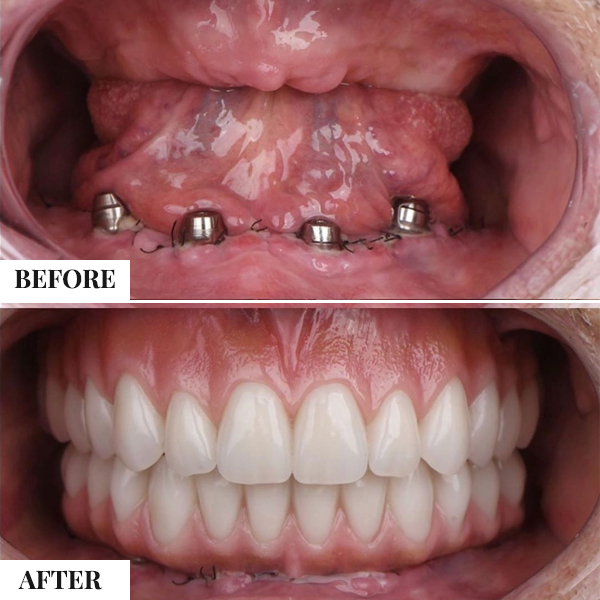
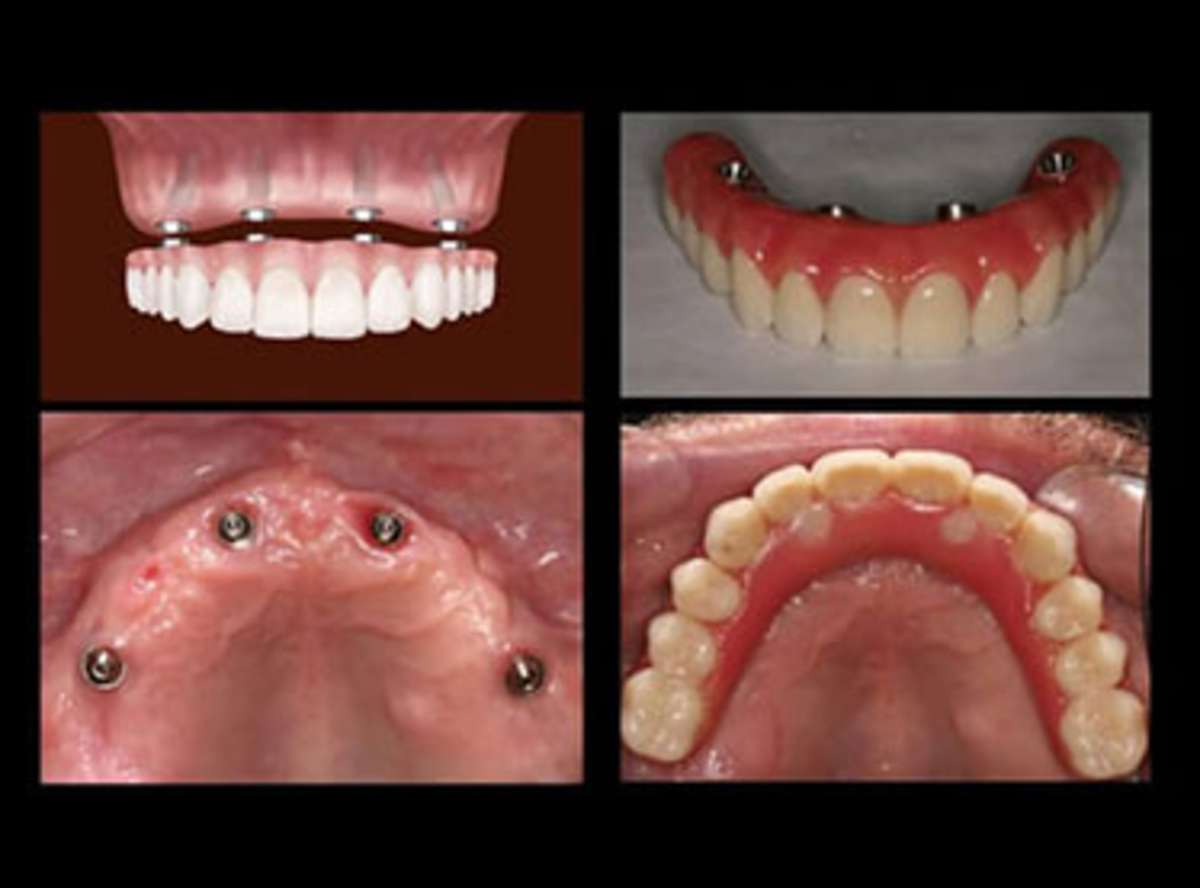
All-on-6 is a full-arch implant reconstruction protocol placing six endosseous implants to support a complete fixed dental prosthesis. Implant placement varies by anatomy: typically four anterior and premolar fixtures with two posterior, or three on each side of the arch. The six-implant configuration eliminates or substantially reduces the distal cantilever present in four-implant designs, distributing occlusal load across a wider anchorage base.
Six-implant full-arch rehabilitations demonstrated 5-year implant survival rates of 97.2% and prosthetic survival of 98.8%, with marginal bone loss of 0.9 mm, comparable to four-implant designs in equivalent bone conditions.
The mechanical consequence of two additional implants is measurable: the prosthesis-to-implant force ratio decreases, peak stress at each abutment decreases, and the cantilever is reduced from the All-on-4 configuration or eliminated entirely. For patients with strong masticatory muscles, bruxism history, or first-molar occlusal contact requirements, these are not marginal improvements, they are the difference between a prosthesis that performs predictably for 10+ years and one that accumulates mechanical stress.
At Stunning Dentistry, the All-on-4 vs All-on-6 decision is made from your CBCT data and bite force assessment, not from fee differences. If your anatomy and load profile support six implants, we recommend six.
Curious about costs and timelines?
Why Six Implants?
The functional case for six implants over four is mechanical. In All-on-4, the prosthesis necessarily extends distally beyond the last implant, creating a cantilever that transmits torque to the abutment-implant interface. This is manageable in moderate bone with moderate bite forces. In patients with strong masseter and temporalis activity, the cantilever torque accumulates over time into accelerated marginal bone loss and prosthetic screw loosening.
Cantilever length exceeding 15 mm was associated with a 3.8-fold increase in prosthesis fracture risk and a 2.1-fold increase in marginal bone loss at 5 years in patients with high bite force as measured by Dental Prescale.
If you have a wide arch, a strong jaw, a history of fracturing dental restorations, or a requirement for molar-position occlusal contacts, the cantilever geometry of All-on-4 may not be the right answer for your anatomy. Six implants, correctly positioned, reduce the cantilever to ≤10 mm or eliminate it, changing the mechanics of every masticatory cycle for the life of the prosthesis.
At Stunning Dentistry, we measure your arch width, assess your masseter muscle volume on CBCT, and calculate your planned cantilever length before recommending between four and six implants. The recommendation is documented in your treatment plan before any surgical step begins.
Want a personalised treatment plan?
Long-Term Survival Data
Marginal bone loss in six-implant configurations averages 0.9 mm at 5 years vs 1.1 mm for four implants in matched patient populations. In patients with heavy bite forces, the difference is larger and clinically significant over a 10-year horizon.
| Study / Source | Follow-Up | Implant Survival | Prosthesis Survival | Notes |
|---|---|---|---|---|
| Del Fabbro et al. (2021) meta-analysis | 5 years | 97.2% | 98.8% | 6-implant subgroup, 12 studies |
| Patzelt et al. (2014) | 3 years | 98.1% | 99.3% | Immediate loading, 6 implants |
| Francetti et al. (2015) | 5 years | 97.8% (6 fixture) | 98.5% | Comparative 4 vs 6 implants |
| Malo et al. (2015) | 5 years | 96.9% | 97.4% | Maxillary All-on-6 cohort |
| Testori et al. (2019) | 3 years | 98.5% | 99.1% | Immediately loaded 6-implant arches |
Questions about this procedure?
Who Is a Candidate?
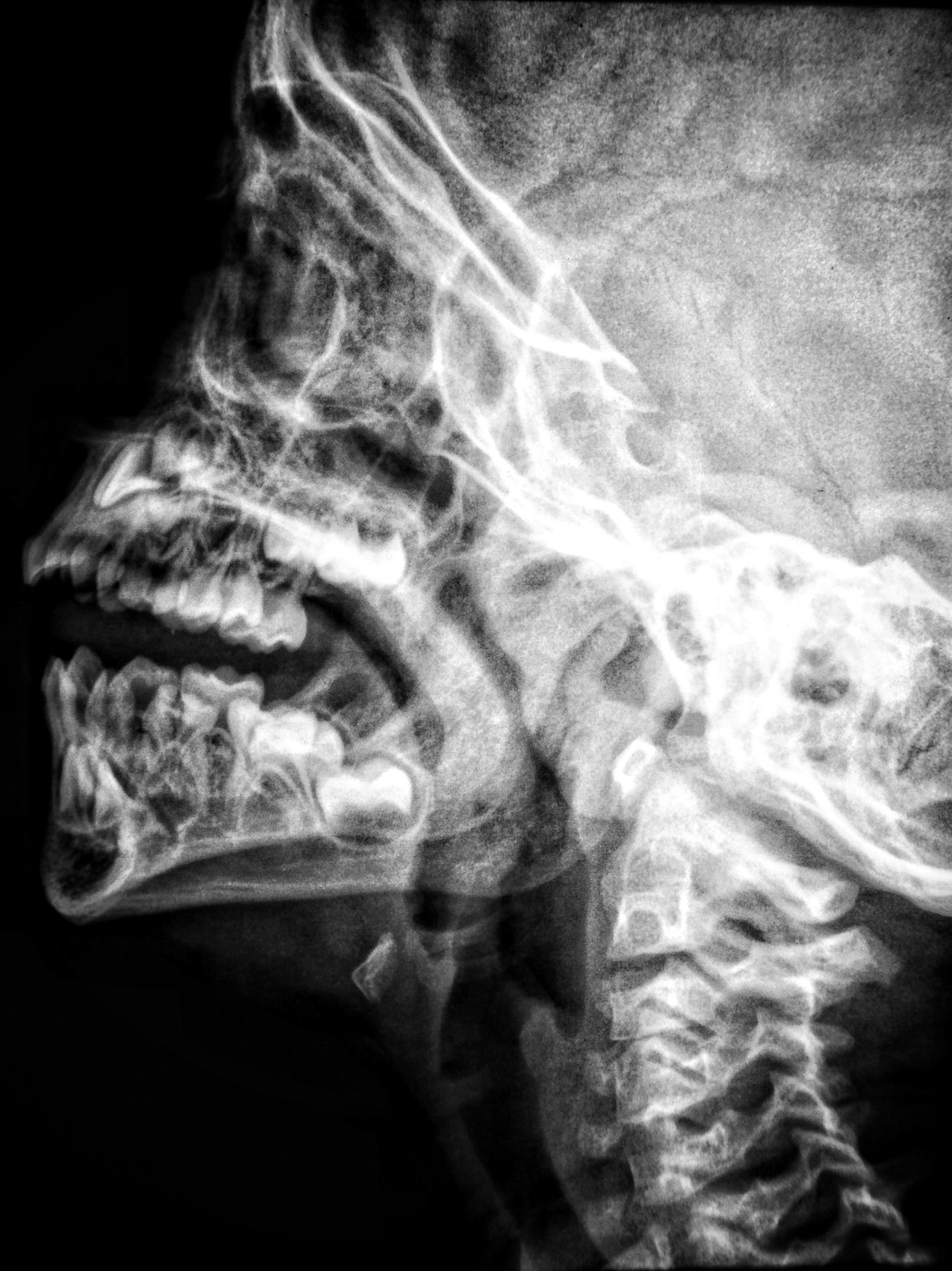
All-on-6 candidacy overlaps substantially with All-on-4 candidacy, with specific additional indications. You are likely an All-on-6 candidate rather than All-on-4 when your arch width exceeds the standard for four-implant optimal positioning, your bite force profile indicates heavy masticatory load, your bone supports posterior implant placement, or you require first-molar occlusal contact that cannot be achieved without excessive cantilever on All-on-4.
All-on-6 is specifically indicated when the posterior cantilever in All-on-4 would exceed 15 mm, when the patient presents with a Class III bite force pattern, or when the opposing arch requires molar-position support.
You may also be steered toward All-on-6 if you have previously broken multiple dental restorations, if parafunction is poorly controlled, or if you have a wide-arch maxilla where the All-on-4 A-P spread cannot be geometrically optimised. These are indicators that more anchorage points produce a better mechanical outcome, not barriers to treatment.
At Stunning Dentistry, the four vs six implant decision is explicitly documented in your treatment plan, with the clinical rationale stated in plain language. You will understand why six implants are recommended before you agree to the protocol.
Ready to discuss your options?
Immediate Loading
Immediate loading with six implants provides superior provisional stability compared with four, the additional anchor points increase the rigidity of the prosthesis-implant assembly and reduce micro-motion during the critical first 8 weeks of osseointegration. In softer bone (Type III-IV, Lekholm & Zarb classification), six implants may be the threshold for safe immediate loading where four would require staging.
Immediate loading on six implants demonstrated superior provisional stability (ISQ mean 73.4 vs 68.9) compared with four-implant immediate-loading configurations, with lower incidence of provisional fracture at 12 weeks.
You will leave surgery with a fixed provisional prosthesis if all six implants meet the loading threshold (insertion torque ≥35 Ncm, ISQ ≥60). The provisional is fixed with prosthetic screws, not removable by the patient, and designed for soft-diet function during osseointegration.
At Stunning Dentistry, the six-implant loading gate uses the same SD-TIAD-02 criteria as our four-implant protocol, every implant is individually assessed. If any fixture fails to meet threshold, the decision to load or stage is made at the chair, not in advance.
Curious about costs and timelines?
Benefits
All-on-6 delivers the same-day fixed prosthesis, graftless protocol, and 4-6 month definitive timeline as All-on-4, with reduced cantilever stress, improved first-molar position support, and a redundancy buffer if a single implant requires review. The mechanical advantages translate into lower long-term prosthetic maintenance costs and lower marginal bone loss accumulation in high-load patients.
Patient satisfaction at 5 years was equivalent between All-on-4 and All-on-6 in low-force patients, but significantly higher in the All-on-6 group among patients with high masticatory force profiles, specifically for chewing efficiency and absence of prosthetic noise.
If you have been told that implants won't work for your bite or arch size, All-on-6 is specifically the protocol designed for the anatomical and force profile that challenges four-implant designs. The six-point anchorage resolves the cantilever mechanics that limit All-on-4 in demanding cases.
At Stunning Dentistry, the clinical benefit of All-on-6 over All-on-4 in your specific case is explained with CBCT data and cantilever calculations at your consultation. The recommendation is mechanically justified, not commercially motivated.
Want a personalised treatment plan?
Recovery Timeline
| Phase | Timeframe | What Happens | Your Responsibility |
|---|---|---|---|
| Surgical Day | Day 0 | Six implants placed, provisional fixed | Accompanied transport, no driving |
| Acute Healing | Days 1-7 | Swelling peaks Day 2-3 | Ice, liquid to soft diet, prescribed rinse |
| Early Integration | Weeks 2-10 | Osseointegration across six implants | Soft diet, interdental brush daily at all six sites |
| Provisional Review | Week 10 | ISQ measured at all six implants, occlusion checked | Attend review, report mobility or pain |
| Definitive Impressions | Months 3-4 | Digital or conventional impressions for definitive prosthesis | Attend all impression and try-in appointments |
| Definitive Fit | Months 4-6 | Monolithic zirconia or hybrid prosthesis fitted | Attend fit, follow occlusal protocol |
| 12-Month Review | Month 12 | Periapical X-rays at all six sites, bone levels measured | Attend review, maintain cleaning protocol |
Questions about this procedure?
Complications
All-on-6 biological complications mirror All-on-4: peri-implantitis (5-year incidence ~7-11%), implant fracture (<0.5%), and sinus proximity in posterior maxillary cases. The six-implant configuration reduces mechanical complications: prosthetic screw loosening is less frequent because per-implant load is lower, and cantilever-related bone loss is reduced. However, six implant sites require consistent maintenance, hygiene compliance is correspondingly more important.
Peri-implantitis incidence at 5 years was 10.1% in All-on-6 patients with documented periodontitis history and poor compliance, compared with 3.2% in equivalent patients maintaining 6-monthly professional cleaning.
All six implant sites require access-based cleaning: interdental brush at each abutment-gingival interface, water flosser at medium pressure, and 6-monthly professional ultrasonic scaling. Six sites adds approximately 2 minutes to the daily cleaning routine, manageable if performed consistently.
At Stunning Dentistry, complications are discussed in pre-surgical informed consent documentation before surgery. You receive a written aftercare protocol, an emergency contact number with a documented response commitment, and a network of partner-friendly dentists in New Zealand for your local follow-up.
Ready to discuss your options?
Comparison Table
| Factor | All-on-6 | All-on-4 | Zygomatic | Conventional 6-8 Implants |
|---|---|---|---|---|
| Implant Count | 6 | 4 | 2-4 zygomatic | 6-8 standard |
| Cantilever | Minimal or none | Reduced (not eliminated) | None | None |
| Bone Grafting | Rare | Rare | Never | Often required |
| First Molar Support | Yes | Limited | Yes | Yes |
| Immediate Loading | Yes (gated) | Yes (gated) | Yes (gated) | Delayed (usually) |
| Prosthesis Type | Fixed | Fixed | Fixed | Fixed |
| Timeline to Definitive | 4-6 months | 4-6 months | 4-6 months | 12-18 months |
Curious about costs and timelines?
What This Costs
How much does All-on-6 cost?
The final cost of an All-on-6 arch is determined by your case, so it is confirmed in a written, itemised quote after diagnosis rather than priced from a web page. At Stunning Dentistry the all-inclusive fee sits well below the New Zealand private-market fee for the same six-implant protocol.
The cost of an All-on-6 reconstruction is driven by the variables that define your case: the implant system selected (from Osstem TSIII through to Straumann SLActive), the prosthesis material (a PMMA hybrid through to monolithic 5Y-TZP zirconia), whether one arch or both are treated, the sedation pathway, and the number and complexity of any remaining extractions. None of that can be priced accurately before imaging, and a figure quoted before your CBCT is an estimate, not a treatment plan.
After your diagnostic appointment you receive a written, itemised quote for your exact case, confirmed in writing before any treatment begins. The implant systems are the same ones used in New Zealand private clinics; what differs is the cost structure behind the fee, not the standard of care.
For the full New Zealand-versus-Stunning cost comparison, financing options, and a personalized quote, see Cost & Finance and the Cost Comparison tool.
Want a personalised treatment plan?
Step-by-Step
Day 1, CBCT and Six-Implant Planning: Cone-beam CT acquired and analysed. Six implant positions are planned against arch anatomy in coDiagnostiX or Nobel Clinician software, maximising A-P spread and minimising cantilever. The surgical guide is fabricated from this plan.
Day 2-3, Extraction and Alveoplasty (if required): Remaining teeth extracted. Bone is contoured if needed for prosthetic-level alignment across six abutment positions.
Day 3-4, Implant Placement: Six implants placed per surgical guide. Insertion torque and ISQ measured individually at each fixture. The loading decision is made at the chair based on all six measurements.
Day 4, Provisional Fitting: The provisional is fitted to all six implants with load-protected occlusion. The patient does not leave with prosthetic elements resting on soft tissue, the fit is implant-borne.
Week 10, Stability Review: ISQ re-measured at each implant. Soft tissue health assessed. Definitive impressions begin if all six confirm integration.
Month 4-6, Definitive Delivery: The monolithic zirconia or hybrid definitive prosthesis is fitted, occlusion finalised across the six-point anchorage, torque values recorded, and the written aftercare protocol provided.
Questions about this procedure?
Aftercare
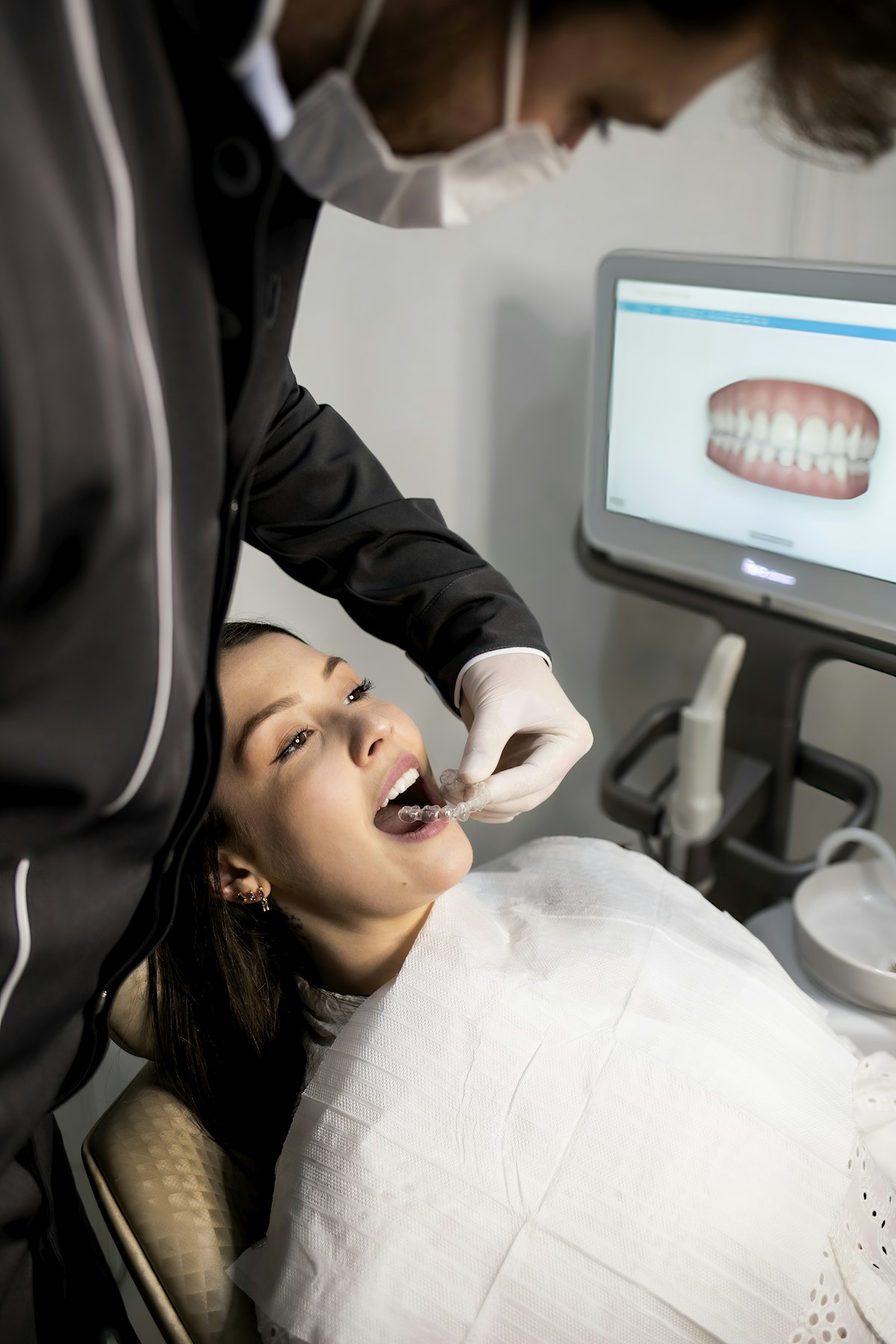
All-on-6 aftercare requires access-based cleaning at six implant-abutment interfaces. The prosthesis is fixed and non-removable by the patient, daily maintenance uses interdental brushes (1.0-1.5 mm) and water flosser at each site, plus a soft electric toothbrush on prosthetic surfaces.
Patients maintaining 6-monthly professional cleaning showed mean marginal bone loss of 0.7 mm at 5 years across six-implant configurations, compared with 1.9 mm in patients with annual or less frequent professional maintenance.
The additional two implant sites compared with All-on-4 add approximately 2 minutes to the daily cleaning routine. Your home dentist receives the cleaning protocol in your handover documentation so their hygienist uses the correct instruments at each 6-monthly appointment.
At Stunning Dentistry, patients receive implant-specific interdental brushes sized to their abutment diameters at definitive delivery. The cleaning protocol is demonstrated before departure.
Ready to discuss your options?
Aftercare Responsibility Split
| Task | Frequency | Who | How |
|---|---|---|---|
| Daily brushing (all prosthetic surfaces) | Twice daily | Patient | Soft electric toothbrush |
| Interdental brush at each abutment | Daily | Patient | 1.0-1.5 mm at each of 6 sites |
| Water flosser irrigation | Daily | Patient | Medium pressure, all six gingival margins |
| Professional ultrasonic scaling | Every 6 months | Home dentist | Subgingival access at all six abutments |
| Periapical X-rays (six sites) | Annually | Home dentist | Six periapical films |
| Screw torque check | Annually | Home dentist or Stunning Dentistry | 15-25 Ncm per abutment |
| Prosthesis removal and deep clean | Every 3-5 years | Stunning Dentistry or prosthodontist | Full removal, clean, reinsertion |
Curious about costs and timelines?
When All-on-6 Is Not Recommended
All-on-6 shares all the contraindications of All-on-4 and adds one biomechanical consideration in the other direction: it is not recommended when the anatomy supports four-implant rehabilitation effectively. Six implants when four are clinically sufficient increases surgical complexity, cost, and soft-tissue management without a proportional benefit. Over-implanting is a clinical decision, not a conservative one.
The decision between four and six implants for full-arch rehabilitation should be driven by bone quantity, cantilever requirements, and bite force, not by a default preference for more implants. Both configurations have equivalent survival rates in appropriate patient populations.
You should not proceed with All-on-6 if: posterior bone volume is insufficient to accommodate the two additional fixtures; systemic conditions affecting bone healing are uncontrolled; there is active infection at planned implant sites; or the clinical case for eliminating the cantilever has not been established from CBCT and bite force data. All-on-6 is the right choice when the anatomy and biomechanics demand it, not as a default more-is-better option.
At Stunning Dentistry, we document the clinical justification for choosing All-on-6 over All-on-4 in every treatment plan. If four implants provide the required A-P spread and cantilever length is within safe limits, we recommend All-on-4. If your bite force, posterior bone quality, or arch geometry require the sixth implant for long-term prosthetic stability, we explain exactly why in your CBCT analysis review.
| Contraindication | Type | Path Forward |
|---|---|---|
| Insufficient posterior bone for fixtures 5 and 6 | Absolute for All-on-6 | Revert to All-on-4 architecture |
| Uncontrolled diabetes (HbA1c >9%) | Absolute until stabilised | Defer; re-evaluate at HbA1c ≤7% |
| Active oral or systemic infection | Absolute until resolved | Treat, 6-week wait, re-plan |
| Heavy unmanaged bruxism | Relative | Night splint + delayed loading |
| IV bisphosphonate therapy | Absolute | Prescriber consultation required |
| Anatomy supports All-on-4 without compromise | Not a contraindication, change of plan | Document and proceed with All-on-4 |
| Intra-operative gate failure (SD-TIAD-02) | Converts to staged protocol | Delayed loading at 8-12 weeks |
Want a personalised treatment plan?
Myths vs Reality
"Six implants means more risk than four."
The implant survival rate for six-implant configurations is 97.2% at 5 years, statistically equivalent to four-implant survival. More implants distributes risk; it does not compound it. If one of six implants requires review, the prosthesis continues on five.
"All-on-6 is just All-on-4 with upselling."
The clinical indication for All-on-6 is specific: cantilever length exceeding mechanical tolerance, heavy bite force, molar-position support requirement, or arch width exceeding four-implant optimal geometry. These are measured from CBCT data, not estimated.
"I'll need more surgery sessions with six implants."
All-on-6 is performed in one surgical appointment, identical to All-on-4. The two additional implant placements add approximately 20-30 minutes, not an additional surgical event.
"The healing time is longer with six implants."
Healing timelines are equivalent. Osseointegration at 8-12 weeks and definitive prosthesis at 4-6 months applies to both four- and six-implant configurations.
"My bite isn't strong enough to justify six implants."
All-on-6 is also indicated for patients whose arch geometry produces a cantilever that exceeds the four-implant safe range, regardless of bite force. Arch width and A-P spread are as important as force profile in the four vs six decision.
Questions about this procedure?
People Also Ask
How much does All-on-6 cost?
All-on-6 costs significantly less at Stunning Dentistry than in the New Zealand private market for the same six-implant protocol.
The exact figure depends on your case and is confirmed in a written, itemised quote after diagnosis. See Cost & Finance for the full New Zealand-versus-Stunning comparison and a personalized quote.
What is the difference between All-on-4 and All-on-6?
All-on-4 uses four implants with posterior tilt; All-on-6 adds two fixtures that reduce or eliminate the distal cantilever.
All-on-6 is indicated for larger arches, heavier bite forces, first-molar support requirements, and bone geometries where the four-implant cantilever would exceed safe mechanical limits.
How long do All-on-6 implants last?
Six-implant full-arch configurations show 5-year implant survival of 97.2% and prosthetic survival of 98.8%.
The prosthesis requires replacement or deep maintenance at 10-15 years. Implants outlast the prosthesis in most cases when oral hygiene is maintained.
Can I have All-on-6 with a heavy bite?
Yes, a heavy bite is one of the primary indications for All-on-6.
The six-implant configuration distributes masticatory force across more anchorage points, reducing peak stress and extending prosthesis lifespan in high-load patients.
Is All-on-6 suitable for the upper jaw?
All-on-6 is performed in both maxilla and mandible.
Maxillary cases particularly benefit from six implants because maxillary bone is less dense, additional anchorage compensates for lower primary stability and provides redundancy during osseointegration.
Ready to discuss your options?
Ask Your Doctor
1. What is my planned cantilever length on All-on-4, and does it exceed the threshold indicating All-on-6?
2. What is my measured bite force and how does it affect the four vs six recommendation?
3. Where are the six implants positioned in my arch and what is the A-P spread?
4. What insertion torque and ISQ values will be required for same-day loading?
5. Which implant system do you use and what is its published 5- and 10-year survival data?
6. What prosthesis material will my definitive be and why?
7. What is the written warranty on the implants and the prosthesis?
8. What is the protocol if I develop peri-implantitis at one of the six sites after returning to New Zealand?
9. How will my New Zealand dentist be briefed and what documentation will they receive?
10. What does the daily cleaning protocol require for six implant sites specifically?
Curious about costs and timelines?
For New Zealand Patients
All-on-6 in the New Zealand private market carries a substantial per-arch fee, reflecting prosthodontist specialist rates, New Zealand city overheads, and laboratory fees for zirconia fabrication. Regional insurance does not cover implant-based prosthetics. Wait times for specialist consultation run 3-6 months in Auckland and Wellington, longer in smaller cities and rural provinces. The New Zealand-versus-Stunning cost comparison is set out in full on Cost & Finance.
Full-arch implant rehabilitation remains inaccessible to a significant proportion of New Zealand patients due to cost barriers, with the majority of edentulous New Zealand patients continuing to use removable dentures as the default option.
Stunning Dentistry uses the same implant systems as New Zealand private clinics: Straumann SLActive, Nobel Biocare Active, Osstem TSIII. The CBCT equipment is the same cone-beam technology. What differs is the cost structure, lower overheads in India produce a fundamentally different fee without a different standard of care.
At Stunning Dentistry, New Zealand patients receive full clinical documentation in their Dental Angel handover package: implant brand and batch number, abutment specifications, torque values, prosthesis material and shade, and the aftercare protocol, so your home dentist manages a case they fully understand.
Want a personalised treatment plan?
Decision Framework
| Question | If Yes | If No |
|---|---|---|
| Is the New Zealand fee within your budget without financial strain? | Consider New Zealand clinic | Evaluate Stunning Dentistry |
| Does your CBCT confirm six-implant bone availability without grafting? | All-on-6 graftless indicated | Discuss grafting or alternative |
| Is your bite force profile heavy (bruxism, large masseter, broken restorations)? | All-on-6 is the correct choice | All-on-4 may be sufficient |
| Do you require molar-position occlusal contacts? | All-on-6 indicated | All-on-4 may be adequate |
| Are you prepared for two trips (10-14 days + 5-7 days)? | Proceed | Discuss consolidated trip protocol |
Questions about this procedure?
Pre-Travel Checklist
| Item | Status |
|---|---|
| CBCT scan from New Zealand dental clinic (if available) sent in advance | ☐ |
| Full medical history form completed and submitted | ☐ |
| Medications list including bisphosphonates, blood thinners, diabetes medications | ☐ |
| Bite force history discussed (bruxism, broken restorations, night guard history) | ☐ |
| New Zealand dentist briefed and willing to receive handover documentation | ☐ |
| Return flights booked: minimum 12 days for surgical trip, 5 days for definitive | ☐ |
| Accommodation arranged (Dental Angel can coordinate) | ☐ |
| Travel insurance covering dental complications confirmed | ☐ |
| Soft food provisions planned for post-surgical week | ☐ |
| Emergency contact number for Stunning Dentistry saved | ☐ |
Ready to discuss your options?
Curious about costs and timelines?
Clinical References
1. Del Fabbro M, Testori T, Kekovic V, et al. A systematic review of survival rates for immediately loaded dental implants. Clin Oral Implants Res. 2021.
2. Francetti L, Romeo D, Corbella S, et al. Bone level changes around axial and tilted implants in full-arch fixed immediate restorations. Int J Periodontics Restorative Dent. 2012.
3. Malo P, de Araujo Nobre M, Lopes A, Rodrigues R. Immediate loading of All-on-4 maxillary prostheses without sinus bone grafting. Int J Oral Maxillofac Surg. 2015.
4. Patzelt SB, Bahat O, Reynolds MA, Strub JR. The All-on-Four Treatment Concept: A Systematic Review. Clin Implant Dent Relat Res. 2014;16(6):836-855.
5. Testori T, Weinstein RL, Scutellà F, et al. Implant placement in the esthetic area. Periodontol 2000. 2019.
Want a personalised treatment plan?
Ready to Start?
Every case is planned by a named lead clinician and backed by a written Lifetime Warranty. Share your scans or a photo for a no-obligation clinical assessment.
Questions about this procedure?
Specialist-only treatment planning
- Remote file review before travel
- Evidence-led treatment checkpoints
No waiting list for eligible cases
- Remote file review before travel
- Evidence-led treatment checkpoints
Trip coordinated with care timeline
- Remote file review before travel
- Evidence-led treatment checkpoints
Our Partners








Why Us
Frequently Asked Questions
Can I qualify for All-on-6 if I've been told I need bone grafting for regular implants?
Possibly. All-on-6 is a graftless protocol in most cases. CBCT evaluation determines whether your posterior bone supports six-implant placement without augmentation. Some patients told grafting is required for conventional implants are graftless All-on-6 candidates.
What happens if one of the six implants fails after I return to New Zealand?
Single implant failure in a six-implant arch is assessed for prosthesis redistribution. The prosthesis can typically be maintained on five implants while the failed site is evaluated for re-implantation. Your New Zealand dentist receives emergency protocols in the handover documentation.
How many trips to India does All-on-6 require?
Two trips. The first trip (10-14 days) covers CBCT, surgery, provisional fitting, and initial healing review. The second trip (5-7 days) at 4-6 months covers definitive prosthesis impressions and fitting.
Is the All-on-6 prosthesis different from All-on-4?
The prosthesis design differs in abutment positioning and support geometry. All-on-6 prostheses can provide molar-position support, reducing or eliminating the distal cantilever that All-on-4 prostheses carry. ---
See your new smile instantly!
This tool will help you understand potential structural and aesthetic changes before finalizing treatment decisions.