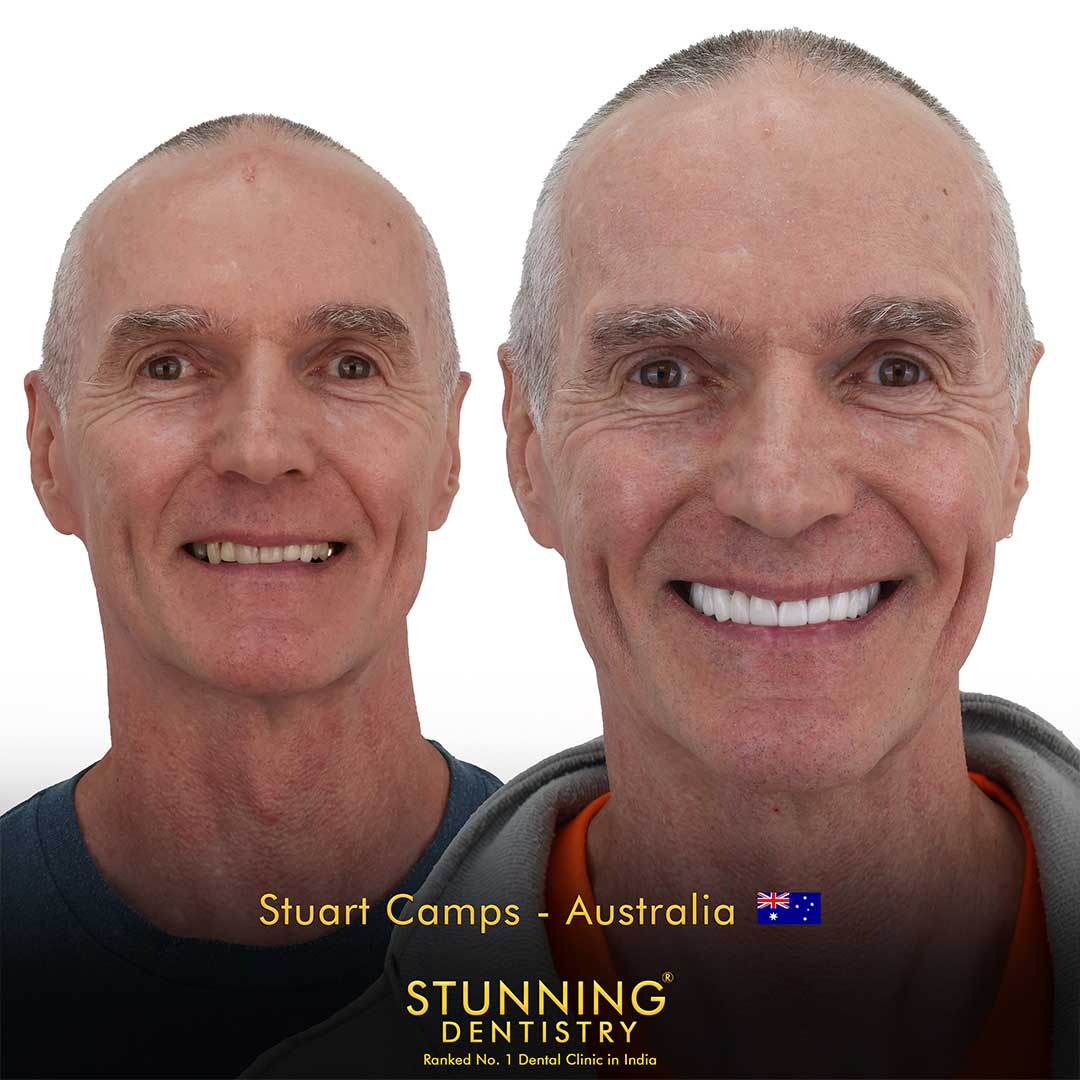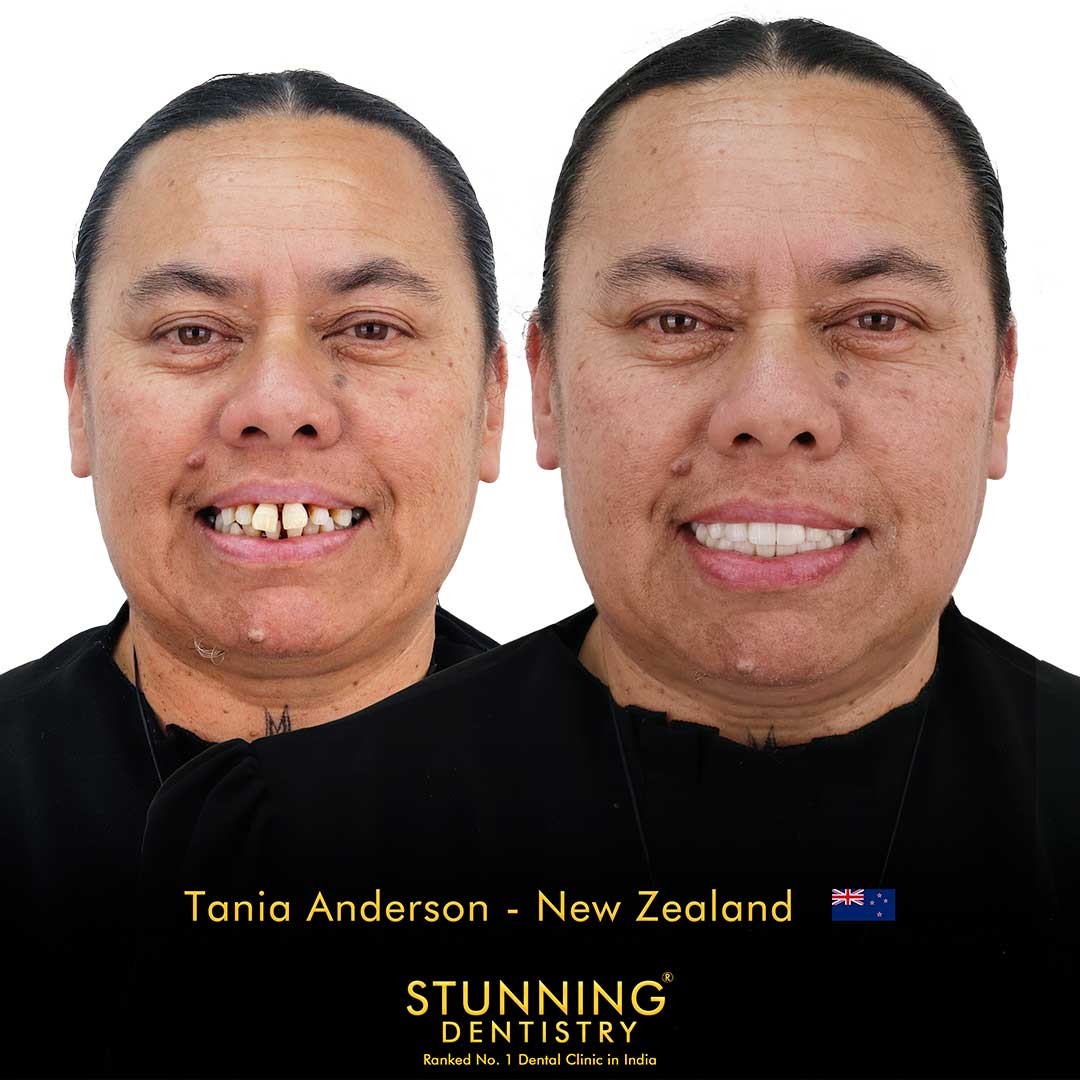
Why India for Dental TreatmentA 2026 Guide for New Zealand Patients

Decide on overseas dentistry from the proposed clinical plan, treating clinician, total costs and follow-up arrangements. Stunning Dentistry has 25+ specialists and an on-site laboratory. Ask how these resources apply to your case; they do not establish a country-wide outcome or savings guarantee.








The Cost Reality at Home
Compare written quotes for the same diagnosis, procedures, materials and follow-up. Add flights, accommodation, insurance, time away from work, local aftercare and possible return visits. A lower treatment fee does not guarantee lower total costs, and a fixed saving cannot be promised.
Questions about this procedure?
Why India, Specifically
Stunning Dentistry has 25+ specialists and treats patients at Kailash Colony in South Delhi and Netaji Subhash Place in North Delhi. Confirm your facility and the named registered clinician responsible for each stage. Dr. Priyank Sethi, MDS, PhD, is the founder and CEO; he is not the default clinician for general consultations. Stunning Dentistry has CBCT imaging, intraoral scanning and an on-site laboratory. The clinician should explain which tools your treatment needs. Ask for your implant manufacturer, model and identifying records; multiple systems are used, so a quote does not automatically include Straumann or Nobel Biocare. Compare written quotes for the same diagnosis, procedures, materials and follow-up. Add flights, accommodation, insurance, time away from work, local aftercare and possible return visits. A lower treatment fee does not guarantee lower total costs, and a fixed saving cannot be promised.
Ready to discuss your options?
Clinical Standards You Should Demand
Choose the individual clinician and treatment plan rather than relying on a country ranking. Verify professional registration, relevant training, your diagnosis and alternatives, material specifications, itemised fees, consent and aftercare before paying. Every dental procedure carries risks. The clinician should assess your health, explain alternatives, obtain informed consent and agree aftercare. Implant risks include infection, injury to nearby structures or nerves and failure to bond with bone. Ask about infection-control procedures, monitoring and emergency arrangements; neither country nor brand guarantees safety. Discuss anaesthesia, pain management and any suitable sedation with the treating clinician. Soreness or swelling can follow treatment, and experience varies. Follow your individual instructions and report increasing pain or other concerning symptoms; no website timetable can diagnose recovery or promise a painless procedure.
Curious about costs and timelines?
The Accountability Model
Stunning Dentistry has 25+ specialists and treats patients at Kailash Colony in South Delhi and Netaji Subhash Place in North Delhi. Confirm your facility and the named registered clinician responsible for each stage. Dr. Priyank Sethi, MDS, PhD, is the founder and CEO; he is not the default clinician for general consultations. Agree the follow-up plan before travel, including which reviews require a local examination, a remote review or the treating team in India. With your consent, arrange a treatment summary, imaging and implant identification for a willing local dentist. Confirm records-sharing, review dates, fees and who manages complications. Urgent local care should not wait for a remote reply.
Want a personalised treatment plan?
Who India Suits
Choose the individual clinician and treatment plan rather than relying on a country ranking. Verify professional registration, relevant training, your diagnosis and alternatives, material specifications, itemised fees, consent and aftercare before paying. Compare written quotes for the same diagnosis, procedures, materials and follow-up. Add flights, accommodation, insurance, time away from work, local aftercare and possible return visits. A lower treatment fee does not guarantee lower total costs, and a fixed saving cannot be promised. Your diagnosis, treatment stages and recovery determine the visit schedule. Temporary teeth may be possible in suitable implant cases; final teeth follow assessment of healing and stability, which can take several months or longer. Get a written staged plan and travel advice before booking. A longer first stay does not guarantee avoiding a return visit.
Questions about this procedure?
Specialist-only treatment planning
- Remote file review before travel
- Evidence-led treatment checkpoints
No waiting list for eligible cases
- Remote file review before travel
- Evidence-led treatment checkpoints
Trip coordinated with care timeline
- Remote file review before travel
- Evidence-led treatment checkpoints
Our Partners











Why Us
Frequently Asked Questions
Why should I choose India for dental treatment?
Choose according to your diagnosis, the named treating clinician, appropriate materials and follow-up arrangements. Stunning Dentistry has 25+ specialists and an on-site laboratory; ask how those resources apply to your care. Compare individual providers and full costs, including travel, rather than assuming a country guarantees quality or savings.
Is India cheaper than Thailand, Bali, or Vietnam for dental work?
Compare itemised quotes from the individual clinics you are considering in India, Thailand, Bali or Vietnam. The same headline treatment can include different implants, restorations or aftercare. Add flights, accommodation, time off work and any return visit before comparing totals. The clinic's starting prices below do not establish a country-wide saving. Cost - Implant fixture = from $350 - Implant crown = from $175 - All-on-4, one arch with crowns = from $3,850 - Full-mouth All-on-4, both arches with crowns = from $7,700 The fixture is the part placed in bone, not a complete replacement tooth. Confirm abutments, imaging, temporary teeth, restoration materials and any extra procedures in your itemised quote. Compare itemised quotes for the same treatment, implant system and restoration. Add flights, accommodation, time off work, follow-up and any return visit before calculating a saving. The All-on-4 register entry is for 4 implants and 14 crowns in one arch. Confirm the implant system, restoration material, temporary teeth and any extra procedures in your quote.
Are the implants used in India the same as in New Zealand?
Stunning Dentistry uses multiple implant systems. Ask for the manufacturer and model specified for your case, and keep the identifying records for future care. A quote does not automatically include Straumann or Nobel Biocare; your home dentist should confirm they can maintain the chosen system.
Will I be understood, and will I understand my treatment?
Tell the team your preferred language and confirm who will explain the diagnosis, treatment plan, risks and consent. Ask about interpretation if needed. You should understand the plan and have time to ask questions before deciding.
What happens after I return to New Zealand?
Agree your follow-up plan before travelling. Request your treatment summary, imaging, implant identification and written maintenance instructions. Ask your home dentist which reviews they can provide, what records they need and what local care will cost. Some treatment stages or problems may require a return visit. Read the current written warranty before consenting to treatment. Check which treatments and components it covers, exclusions, required maintenance and how to make a claim. Agree who pays for local care or return travel. Warranty cover does not remove the risk of complications. --- Compare All Destinations → | Arrange a Free Video Consult →
See your new smile instantly!
This tool will help you understand potential structural and aesthetic changes before finalizing treatment decisions.