Zygomatic Implants Explained, Complete Patient Guide for NZ Patients
- Conventional implants are 8–13 mm long and require adequate maxillary (upper jaw) bone volume for primary stability.
When the upper jaw has severely atrophied, common after years of tooth loss, long-term denture wear, or failed previous grafting, there is insufficient bone for conventional implant primary stability.
The Problem They Solve
Conventional implants are 8–13 mm long and require adequate maxillary (upper jaw) bone volume for primary stability. When the upper jaw has severely atrophied, common after years of tooth loss, long-term denture wear, or failed previous grafting, there is insufficient bone for conventional implant primary stability.
The traditional alternative was multi-stage bone grafting: transplanting bone from the hip, skull, or tibia into the jaw, waiting 6–9 months for integration, then placing conventional implants. Total timeline: 12–18 months minimum, with additional surgery and recovery phases.
Zygomatic implants bypass the atrophied maxilla entirely. Instead of anchoring in the jaw, the implant body passes through the residual maxillary bone and extends into the zygomatic bone, the cheekbone, which is dense cortical bone that does not atrophy with tooth loss.
Questions about this procedure?
How They Work
Conventional implant: 8–13 mm titanium post placed in the alveolar bone of the jaw. Requires 6–8 mm of bone height and adequate bone density.
Zygomatic implant: 30–52.5 mm titanium post. The apical (bottom) portion anchors in the zygomatic bone. The coronal (top) portion emerges in the upper jaw at the implant abutment. Standard conventional implants are placed anteriorly (front of the arch) to work in combination with the posterior zygomatic fixtures.
The zygomatic bone does not resorb with tooth loss. It is the same cortical bone that forms the cheekbone structure. Long-term zygomatic implant survival at 96.5% at 7+ years (Aparicio et al.) reflects this stable anchor point.
Ready to discuss your options?

ZAGA Classification, Why Anatomy Matters
The ZAGA (Zygomatic Anatomy-Guided Approach) classification by Carlos Aparicio categorises zygomatic anatomy into five types based on the available bone channel and sinus anatomy:
The surgical approach for each type differs significantly. Type 0 and 1 use the classic protocol (through the sinus); Types 2–4 use external approaches that place the implant body lateral to the sinus. Misclassification or using the wrong approach for the anatomy increases complication risk substantially.
The surgical lead at Stunning Dentistry has performed 1,800+ zygomatic implants across all five ZAGA types, including high-volume experience with the less common Types 3 and 4 that present the most anatomical challenge.
| ZAGA Type | Anatomy Description | Surgical Approach | Approximate Frequency |
|---|---|---|---|
| Type 0 | Straight path, implant body within the sinus wall | Classic intra-sinus | ~25% |
| Type 1 | Slight curvature, implant body partially outside sinus | Modified | ~20% |
| Type 2 | Moderate curvature, implant partially external to sinus | ZAGA external approach | ~20% |
| Type 3 | Significant curvature, most of implant body external | Fully external | ~25% |
| Type 4 | Severe concavity, implant requires external path completely | Fully external | ~10% |
Curious about costs and timelines?

The Surgical Approaches at Stunning Dentistry
Classic (intra-sinus, ZAGA 0–1): Approximately 58% of cases. Implant follows the sinus wall. Well-established technique with the longest published outcome data.
Quad zygomatic (both arches, 4 zygomatic implants): Used when conventional anterior implants cannot be placed. All four posterior sites use zygomatic fixtures. Approximately 22% of cases.
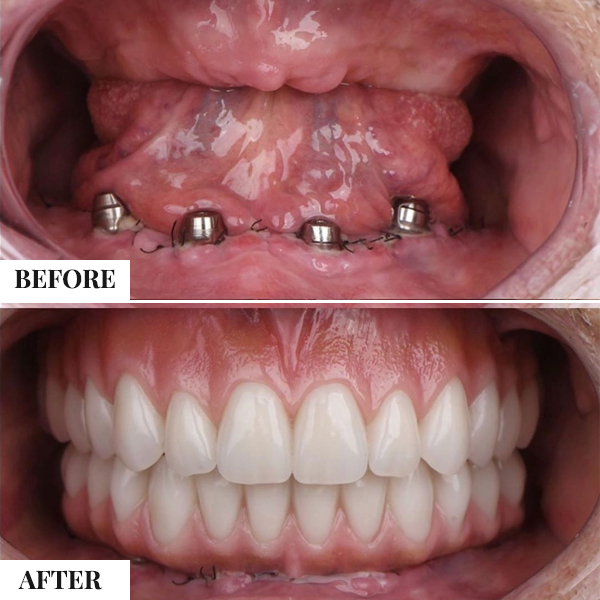
Hybrid (zygomatic posterior + conventional anterior): Standard configuration for most cases, 2 zygomatic implants at the posterior combined with 2–4 conventional implants at the front of the arch. Approximately 20% of cases.
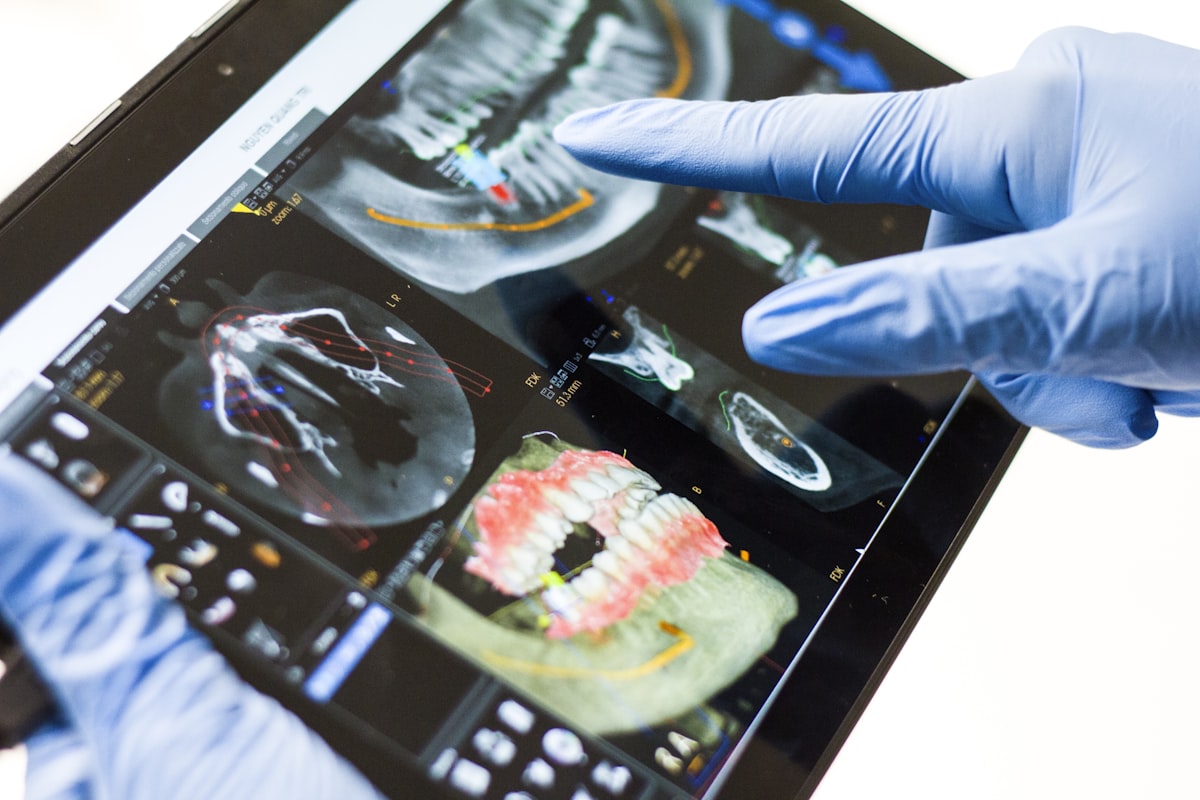
All zygomatic cases at Stunning Dentistry use X-Guide dynamic navigation, real-time 3D guidance providing ±0.5 mm accuracy. Zygomatic implant trajectory passes within millimetres of the orbital floor, optic canal, and infraorbital nerve; navigation is not optional for complex cases.
General anaesthesia is used for zygomatic surgery at AIG Gachibowli, Apollo Jubilee Hills, or KIMS Secunderabad. Surgery is typically 2–4 hours. Hospital stay: 1 night post-operatively.
Want a personalised treatment plan?

Cost: NZ vs Hyderabad
Travel from Auckland: approximately NZD 2,850–4,550 across two visits.
| Treatment | NZ Specialist (NZD) | Stunning Dentistry (NZD) | Net Saving After Travel (AKL) |
|---|---|---|---|
| Zygomatic classic both arches | NZD 72,000–102,000 | NZD 32,000–43,000 | NZD 25,000–55,000 |
| Quad zygomatic both arches | NZD 85,000–115,000 | NZD 38,000–52,000 | NZD 29,000–59,000 |
| Hybrid zygomatic (zygo + conventional) | NZD 75,000–108,000 | NZD 34,000–48,000 | NZD 23,000–57,000 |
Questions about this procedure?

Who Is a Candidate for Zygomatic Implants?
Zygomatic implants are indicated for:
- Severe maxillary bone loss (Lekholm & Zarb Class V–VI)
- Failed conventional implant attempts due to insufficient upper jaw bone
- Patients who have had multiple sinus grafts that failed or resorbed
- Patients who want to avoid the 12–18 month grafting and healing sequence
- Long-term full denture wearers with severe upper jaw atrophy
Not indicated for:
- Patients with mild to moderate bone loss (conventional or tilted implants appropriate)
- Uncontrolled sinusitis or sinus pathology
- Active maxillary tumour or cyst
Ready to discuss your options?

Recovery
First visit: 12–16 days in Hyderabad. Surgery Day 3–4. Swelling peaks Days 3–5; resolves by Day 10–12. GA recovery adds 4–6 hours to Day 1 post-surgery.
Post-surgical: liquid diet Days 0–2; soft diet Days 2–7; full soft diet Days 7–21. Normal diet from approximately 6 weeks. No contact sports or high-impact activity for 12 weeks.
Some patients experience mild sinus symptoms (pressure, congestion) for 4–6 weeks post-surgery, this is normal as the sinus membrane heals around the implant body. Persistent or worsening sinusitis beyond 6 weeks is reported to the coordinator.
Curious about costs and timelines?
Specialist-only treatment planning
- Remote file review before travel
- Evidence-led treatment checkpoints
No waiting list for eligible cases
- Remote file review before travel
- Evidence-led treatment checkpoints
Trip coordinated with care timeline
- Remote file review before travel
- Evidence-led treatment checkpoints
Our Partners











Why Us
See your new smile instantly!
This tool will help you understand potential structural and aesthetic changes before finalizing treatment decisions.