CBCT Planning3D Imaging for Implant Diagnostics
- Cone Beam Computed Tomography (CBCT) provides 3D imaging of the jaw, teeth, sinuses, nerves, and surrounding structures - essential for safe and precise implant planning.









Why CBCT Matters
| Feature | 2D OPG | 3D CBCT |
|---|---|---|
| Imaging plane | Single (panoramic) | Full 3D volume |
| Bone measurement | Approximate | Precise (±0.1mm) |
| Nerve canal visibility | Limited | Exact position mapped |
| Sinus floor visibility | Approximate | Exact height measured |
| Implant trajectory planning | Not possible | Full 3D simulation |
| Radiation dose | 14-24 μSv | 20-200 μSv |
| Cost in New Zealand | on request | on request |
Questions about this procedure?
At Stunning Dentistry
In-house CBCT imaging is included in every treatment plan at no additional cost. We use Planmeca ProMax 3D for high-resolution imaging with low radiation dose. All CBCT data is integrated with our digital surgical planning software for guided implant placement.
Ready to discuss your options?
Specialist-only treatment planning
- Remote file review before travel
- Evidence-led treatment checkpoints
No waiting list for eligible cases
- Remote file review before travel
- Evidence-led treatment checkpoints
Trip coordinated with care timeline
- Remote file review before travel
- Evidence-led treatment checkpoints
Our Partners











Why Us
Frequently Asked Questions
How much does this cost at Stunning Dentistry?
See the cost table above. All prices are in NZD, all-inclusive, with lifetime implant warranty.
Can I combine this with other treatments?
Yes - your treatment plan is customised to your specific needs. Many patients combine multiple procedures in a single visit.
How do I get started?
Upload your X-rays and book your free video consult. Receive a detailed treatment plan with NZD pricing within 12 hours.
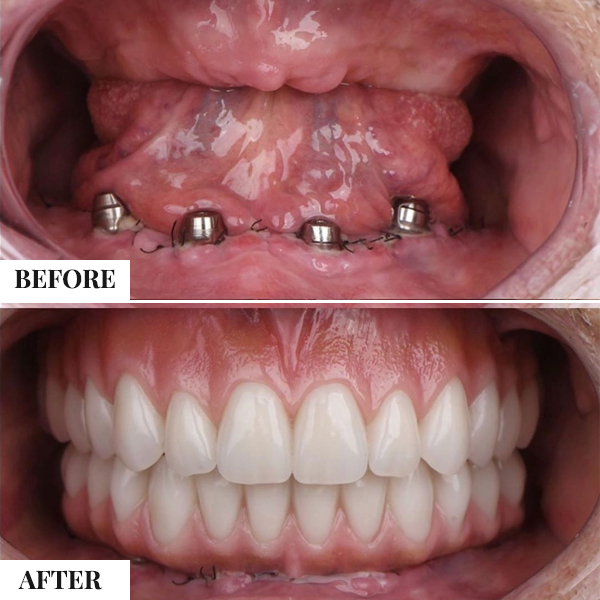
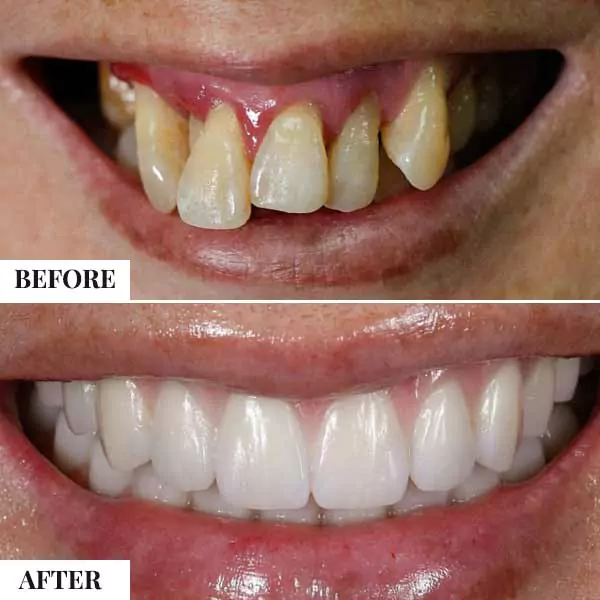
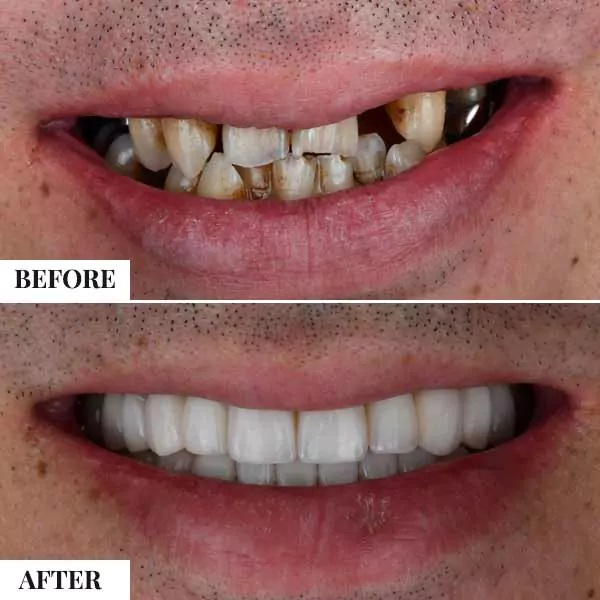
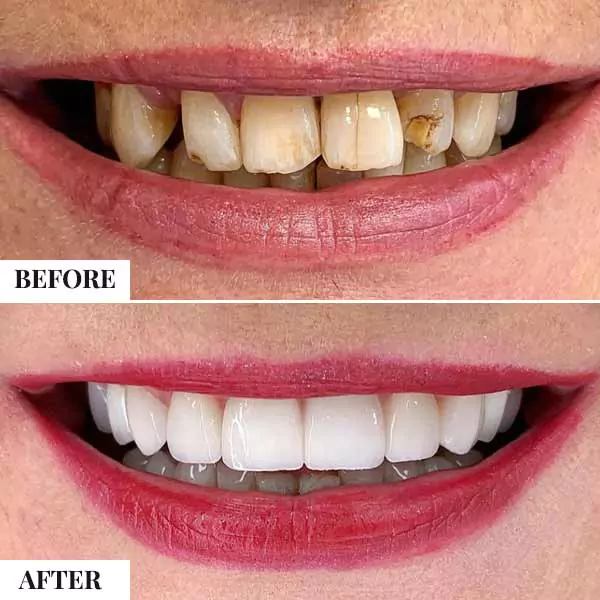
See your new smile instantly!
This tool will help you understand potential structural and aesthetic changes before finalizing treatment decisions.