20 surgical operatories25+ super-specialists4.8 Trustpilot verified reviews17 speciality departmentsStraumann, Nobel Biocare, OsstemLifetime WarrantyAAID, AACD, BACD, ISO 9001:201524/7 care coordinationAirport transfer, hotel, visa guidance20 surgical operatories25+ super-specialists4.8 Trustpilot verified reviews17 speciality departmentsStraumann, Nobel Biocare, OsstemLifetime WarrantyAAID, AACD, BACD, ISO 9001:201524/7 care coordinationAirport transfer, hotel, visa guidance
Stunning Dentistry

Pterygoid ImplantsPosterior Maxillary Reconstruction

From the Doctor's Desk ,Stunning Dentistry

What Are Pterygoid Implants?

Pterygoid implants (also called tuberosity implants) engage the pterygoid process of the sphenoid bone - dense, reliable cortical bone that remains intact even in severe maxillary atrophy.

They function as posterior extension implants, bypassing the need for sinus lifting while providing reliable posterior implant support.

Questions about this procedure?

Clinical Indications

  • Posterior maxillary bone loss preventing conventional implant placement
  • Patients who wish to avoid sinus lift procedures and their associated costs/healing time
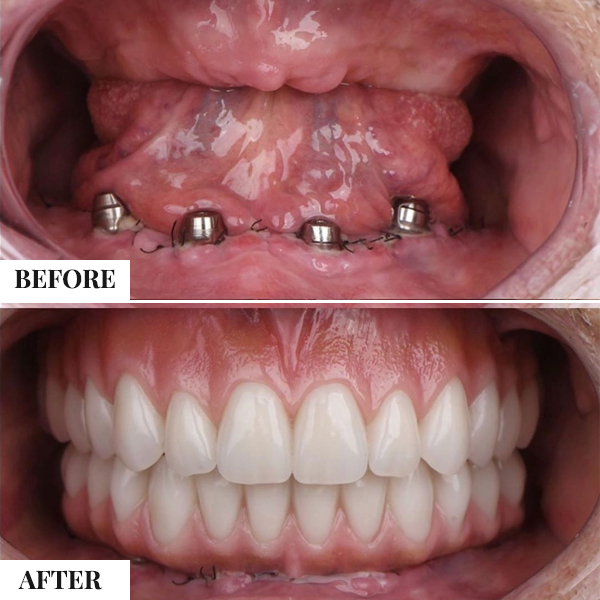
  • Combined with anterior implants for full-arch restoration (All-on-4/All-on-6 + pterygoid)
  • Cases where posterior cantilever length needs structural support
  • Patients with <4mm posterior sub-sinus bone height unsuitable for standard implants

Ready to discuss your options?

Clinical Indications

Pterygoid Implants vs Alternatives

ApproachPterygoid ImplantSinus LiftBone Graft
CostIncluded in full-archExtra NZD $1,500–$5,000Extra NZD $1,500–$5,000
Healing time3–6 months osseointegration6–9 months + implant wait6–12 months
Surgical complexityModerateModerate–HighModerate
Bone requirementAdequate pterygoid bone onlyRequires graft materialRequires graft material
Success rate95–98%90–95%85–95% variable

Curious about costs and timelines?

Pterygoid Implants vs Alternatives

Cost and Positioning

Pterygoid implants are typically incorporated into your full-arch protocol (All-on-4/All-on-6) at no additional implant cost.

3D CBCT analysis determines whether pterygoid implants are indicated in your case - Dr. Sethi assesses at consultation.

Want a personalised treatment plan?


Specialist-only treatment planning

  • Remote file review before travel
  • Evidence-led treatment checkpoints

No waiting list for eligible cases

  • Remote file review before travel
  • Evidence-led treatment checkpoints

Trip coordinated with care timeline

  • Remote file review before travel
  • Evidence-led treatment checkpoints

Our Partners
StraumannNobel BiocareOsstem3MLava EstheticCERECDigital Smile DesignPhilips ZoomDürr DentalBiolaseInvisalignStraumannNobel BiocareOsstem3MLava EstheticCERECDigital Smile DesignPhilips ZoomDürr DentalBiolaseInvisalign

Why Us

1,000+ international patients4.8 Trustpilot - verified reviews25+ super-specialistsStraumann · Nobel Biocare · OsstemAAID · AACD · AAO · BACD · ISO 9001:2015Lifetime implant warrantyAirport transfer · hotel · visa guidance20 surgical operatories24/7 CRM supportSame-day teeth protocols1,000+ international patients4.8 Trustpilot - verified reviews25+ super-specialistsStraumann · Nobel Biocare · OsstemAAID · AACD · AAO · BACD · ISO 9001:2015Lifetime implant warrantyAirport transfer · hotel · visa guidance20 surgical operatories24/7 CRM supportSame-day teeth protocols

Frequently Asked Questions

Are pterygoid implants safe?

Yes - they anchor in dense cortical bone and avoid vital structures (sinuses, nerves). Proper 3D CBCT planning and guided surgery ensure safe placement. When planned correctly, pterygoid implants have 95–98% success rates comparable to standard implants.

Will pterygoid implants cause sinus problems?

No. Pterygoid implants do not enter the sinus - they anchor behind the sinus cavity in pterygoid bone. They completely avoid sinus complications, which is a key advantage over sinus lifting procedures.

Can pterygoid implants be combined with zygomatic implants?

Yes. In severe combined anterior and posterior bone loss, zygomatic implants (anterior) and pterygoid implants (posterior) can be combined for full-arch support. This is a more advanced case requiring specialist expertise.

How are pterygoid implants different from tilted All-on-4 implants?

All-on-4 uses posterior tilting within the maxillary bone. Pterygoid implants engage the pterygoid process behind the maxilla entirely. They serve different anatomical niches - pterygoid implants are useful when posterior maxillary bone is insufficient for tilted placement.

Smile Preview

See your new smile instantly!

This tool will help you understand potential structural and aesthetic changes before finalizing treatment decisions.