Teeth-in-a-DayFixed Full-Arch Teeth Delivered the Same Day as Surgery
- Teeth-in-a-day is not a marketing phrase, it is a clinical outcome that depends on a chain of measurable intra-operative conditions being met at every implant before a prosthesis is placed.
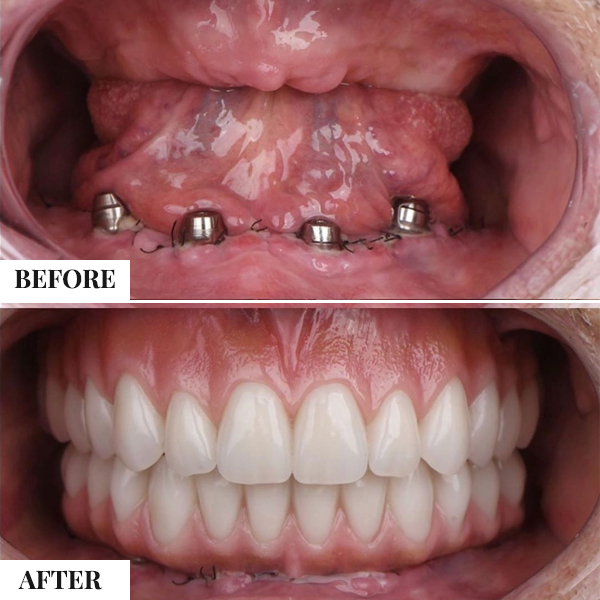
When those conditions are confirmed, the patient leaves surgery with a fixed, implant-borne provisional prosthesis the same day.








Overview
Teeth-in-a-day is not a marketing phrase, it is a clinical outcome that depends on a chain of measurable intra-operative conditions being met at every implant before a prosthesis is placed. When those conditions are confirmed, the patient leaves surgery with a fixed, implant-borne provisional prosthesis the same day. When any condition fails, the treatment is staged. The technology makes same-day function possible; the protocol makes it predictable; the measurement makes it safe.
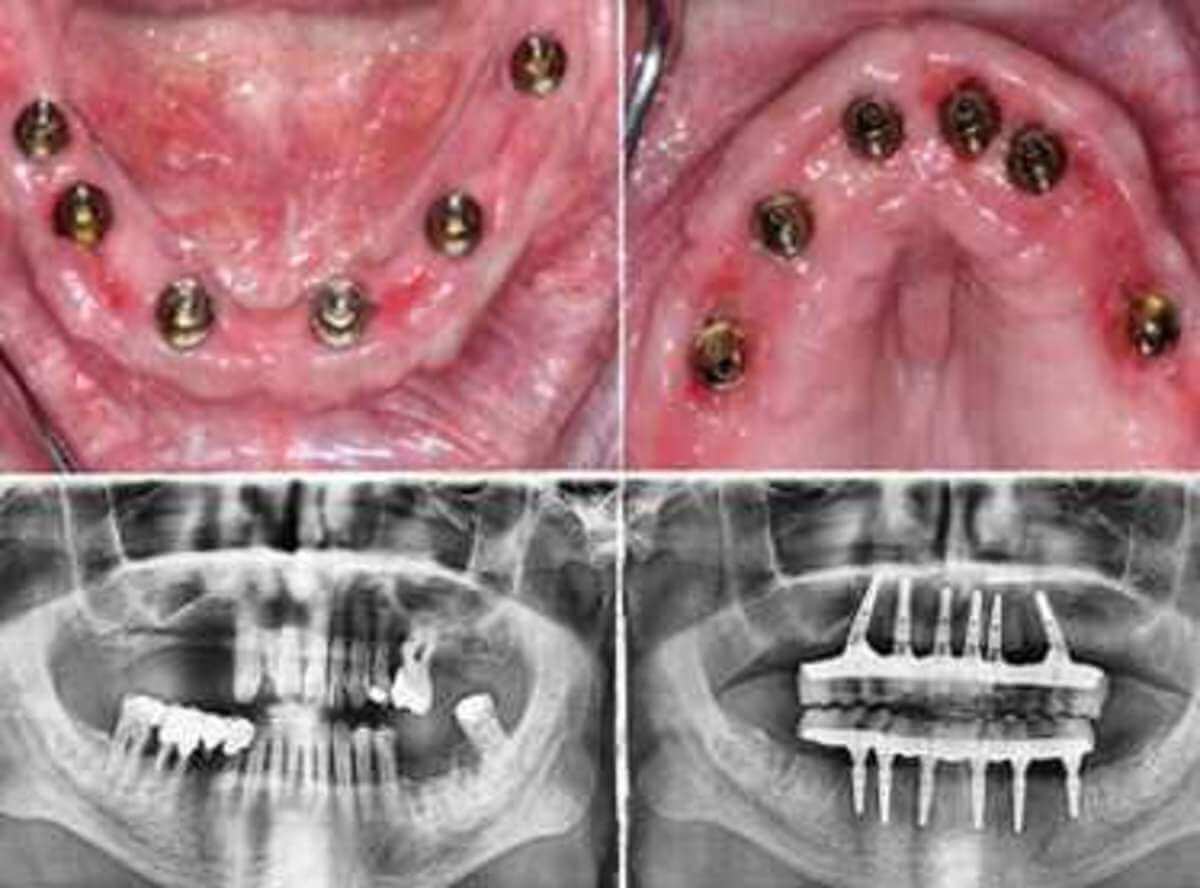
Immediately loaded full-arch implant prostheses demonstrated equivalent 12-month implant survival to delayed-load controls (98.1% vs 97.9%) when placed to an insertion torque of ≥35 Ncm and ISQ ≥60.
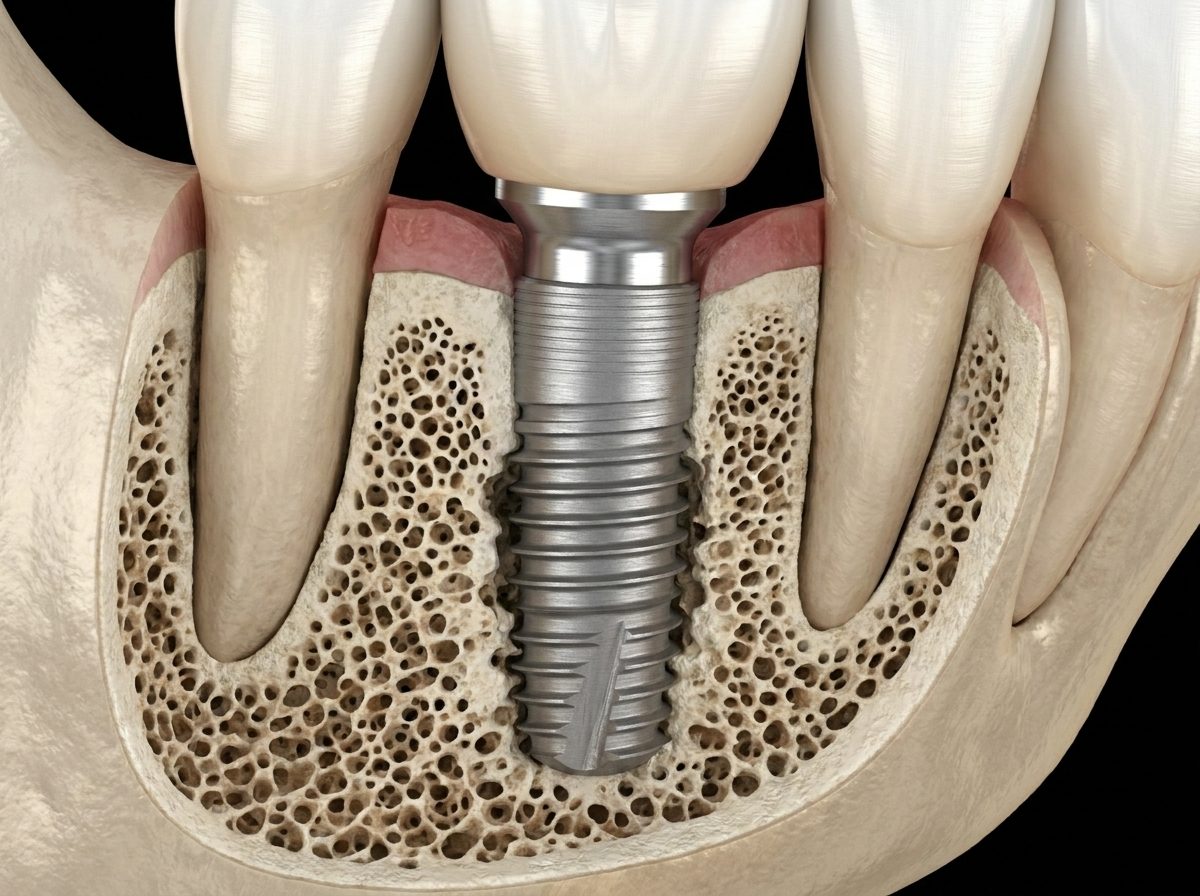
Same-day teeth works because of primary stability, the mechanical grip of the implant in bone before biological osseointegration has occurred. If primary stability is high enough, the implant can bear functional load while the bone grows into the implant surface over 8–12 weeks. Cross-arch splinting distributes load so no single implant bears the full masticatory force during this critical period.
At Stunning Dentistry, we govern same-day loading under the SD-TIAD-02 protocol: seven gates, each measured individually, none bypassed. The provisional prosthesis is placed only when every implant passes every gate. If you do not qualify on the day, you receive a transitional option and a documented path to the definitive outcome.
Questions about this procedure?
Why Choose Stunning Dentistry for Teeth-in-a-Day
The cost reality. Teeth-in-a-day at Stunning Dentistry costs substantially less than the same immediate-loading protocol in the New Zealand private market, enough that the total including return flights and accommodation typically remains well below the local treatment fee alone. The implant systems and prosthesis materials are the same; the difference is the cost base, not the standard of care. The exact figure depends on your case and is confirmed in a written, itemised quote after diagnosis. For the New Zealand-versus-Stunning comparison, financing options, and a personalized quote, see Cost & Finance.
Precision and our own lab. Same-day loading depends on a provisional prosthesis being ready the moment the gates pass. We run our own in-house dental lab, our own 3D printer, and our own quality assurance, so the provisional is made, checked, and fitted under one roof without an external lab delay. Planning and prosthetics are fully digital: TRIOS 3Shape intraoral scanning, NZD/CAM design and milling, and premium implant platforms including Straumann, Nobel Biocare, and Osstem. The protocol is measured with a torque-controlled driver and Osstell Beacon ISQ readings at every implant.
Trust strip. Written Lifetime Warranty | 25+ super-specialists | Forbes Best Dental Clinic India, 4 years <!-- TODO(Shashank): verify Forbes category/years --> | AAID / AACD / BACD affiliations | 10-year open file with milestone reviews | Dr. Priyank Sethi, lead clinician.
Pillars and comparisons: Why India for Dental Treatment and Why Stunning Dentistry. For full-arch implants specifically, see India vs Bali, India vs Turkey, and Are dental implants abroad safe?.
Ready to discuss your options?
What Is Teeth-in-a-Day?
Teeth-in-a-day describes an immediate loading protocol in which endosseous implants are placed and loaded with a functional provisional prosthesis in a single surgical appointment. The protocol is procedure-agnostic, it applies to All-on-4, All-on-6, and zygomatic implant cases, as long as the stability criteria are met at the time of surgery.
Immediate loading of full-arch implant prostheses is a well-documented clinical technique with 10+ years of published evidence. Predictable outcomes depend on patient selection, bone quality screening, and intra-operative stability verification.
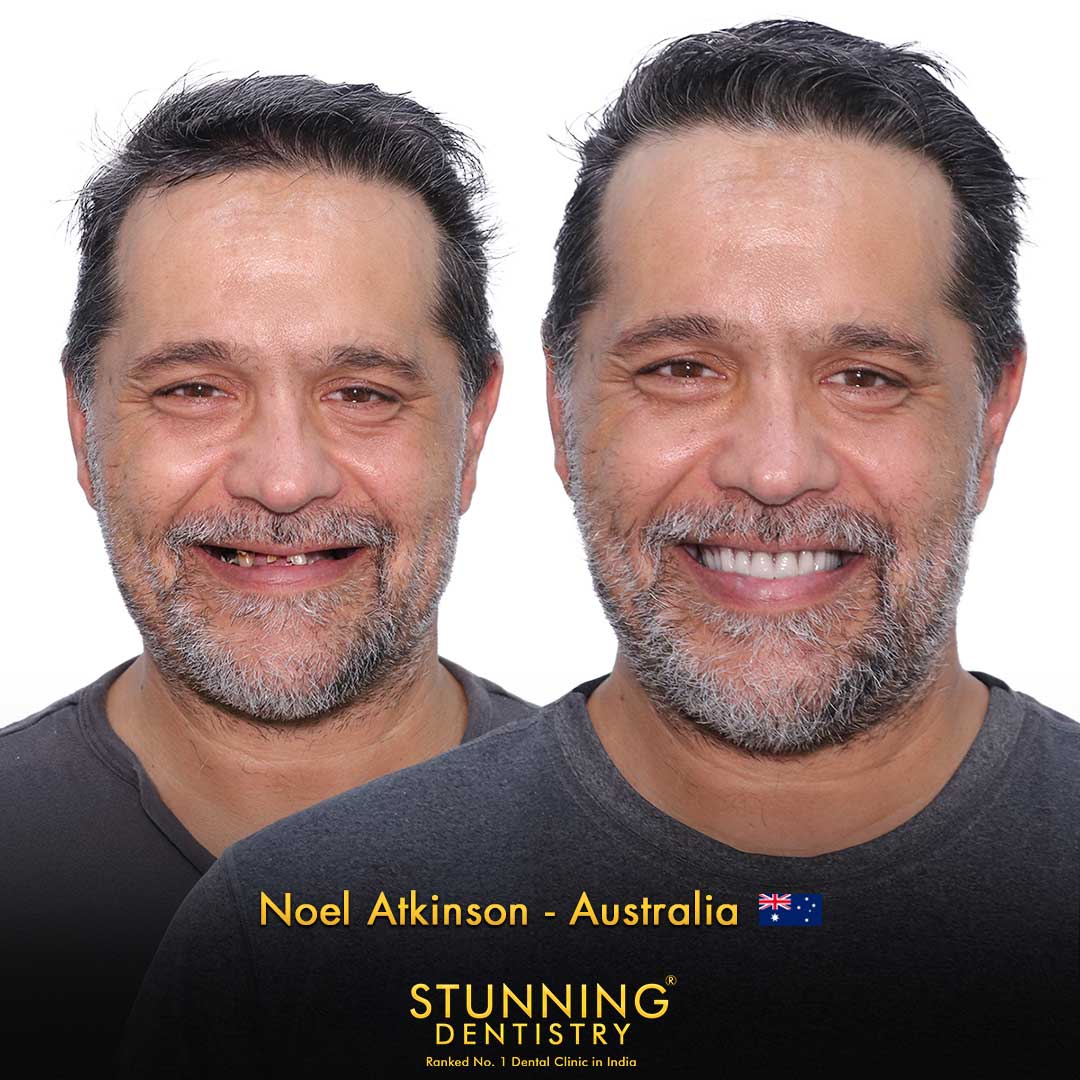
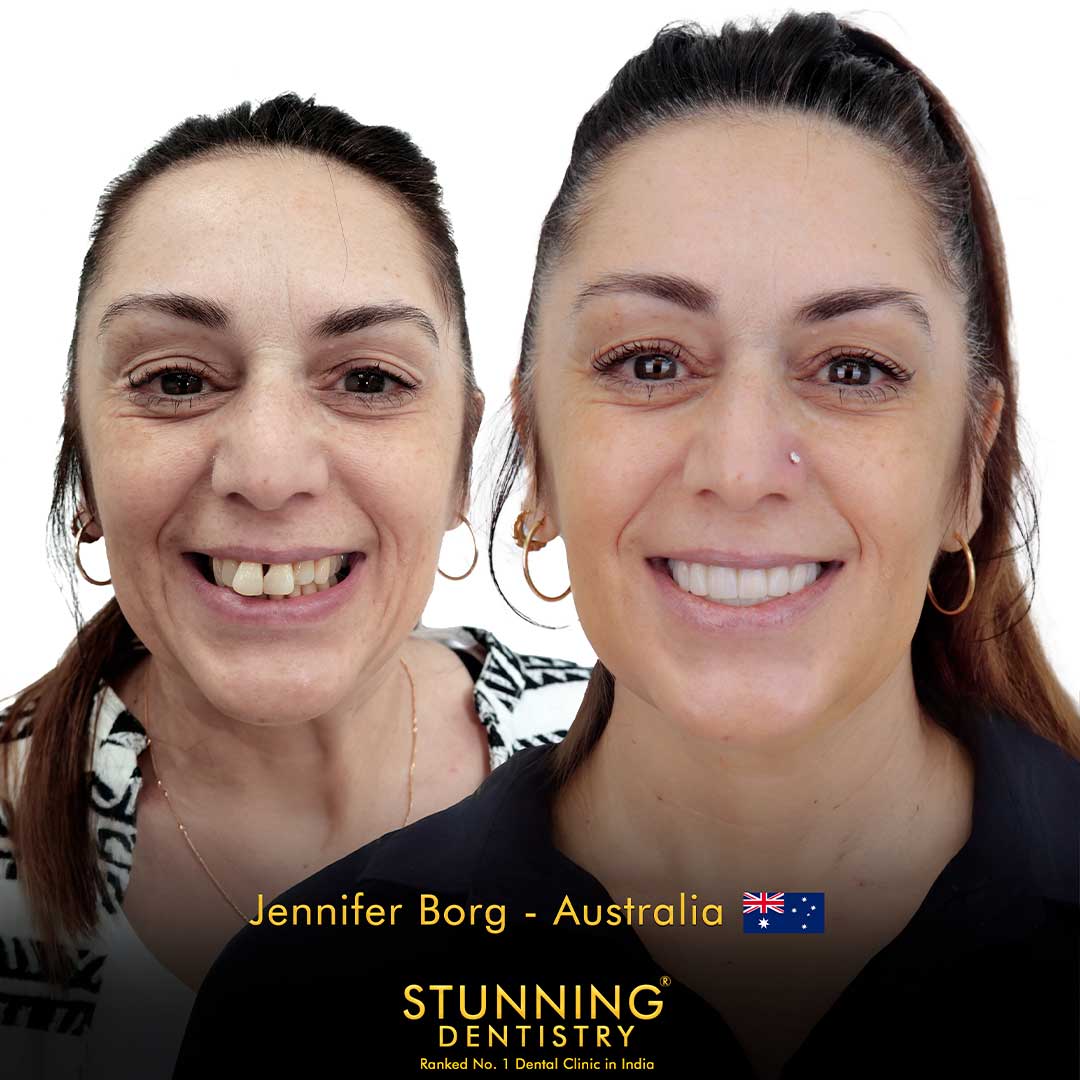
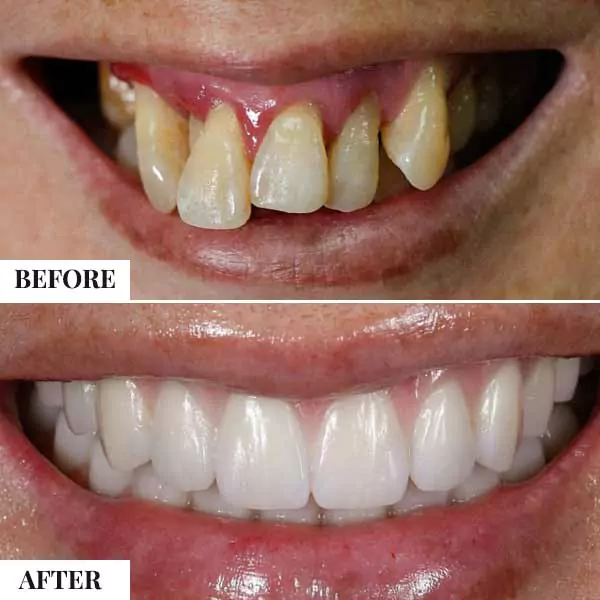
The "day" in teeth-in-a-day is accurate in qualified patients: implant surgery and provisional prosthesis fitting occur in the same clinical session. This eliminates the edentulous interim period, the gap between tooth extraction or implant placement and the first functional prosthesis, that has historically been the most psychologically and functionally disruptive phase of full-arch rehabilitation.
At Stunning Dentistry, we treat teeth-in-a-day as the default protocol for qualifying All-on-4 and All-on-6 patients. It is not offered as an upgrade, it is the standard of care when primary stability criteria are met, because the evidence supports it and the patient benefit is unambiguous.
Curious about costs and timelines?
The Biology of Immediate Loading
Immediate loading is biologically viable because osseointegration is not required for short-term function, primary stability is. Primary stability is the initial mechanical engagement between implant surface and native bone: the friction, compression, and interlocking of the implant thread geometry with the cortical and cancellous bone it contacts at placement. This mechanical grip is sufficient to resist functional load if micro-motion at the implant-bone interface is kept below the biological threshold for fibrous encapsulation (typically cited as <100–150 microns).
Cross-arch splinting of multiple immediately loaded implants effectively reduces per-implant micro-motion below the fibrous encapsulation threshold, converting potentially harmful motion to a stimulus for bone apposition at the implant surface.
You can leave surgery with functional teeth because the four to six implants in your arch are rigidly connected to each other through the provisional prosthesis, the load you apply to any one point in the arch is distributed across all anchor points simultaneously. The implants experience collective stability that none could provide individually.
At Stunning Dentistry, we design immediate loading protocols with primary stability as the non-negotiable threshold. The provisional prosthesis occlusal scheme is load-reduced: no heavy posterior contacts, no anterior edge-to-edge, no parafunctional excursion. The occlusion protects primary stability while the bone does its biological work over 8–12 weeks.
Want a personalised treatment plan?
Clinical Gates: SD-TIAD-02 Protocol
Stunning Dentistry's immediate-load acceptance protocol (SD-TIAD-02) requires all seven gates to pass before loading proceeds. Any single gate failure triggers downgrade to staged loading.
| Gate | Criterion | Method | Threshold |
|---|---|---|---|
| Gate 1 | Bone volume pre-surgery | CBCT analysis | Sufficient anterior bone for planned implant count |
| Gate 2 | Insertion torque per implant | Torque-controlled driver | ≥35 Ncm at every implant |
| Gate 3 | ISQ verification | Osstell Beacon measurement | ≥60 ISQ at every implant |
| Gate 4 | Cross-arch splinting count | Minimum implant count per arch | ≥4 implants for full arch |
| Gate 5 | Parafunction screen | Pre-surgical questionnaire + clinical exam | No unmanaged heavy bruxism |
| Gate 6 | Occlusal scheme compliance | Load-reduced provisional design | No heavy posterior contacts or edge-to-edge |
| Gate 7 | Antagonist control | Opposing arch assessment | Adequate opposing support without excessive force |
Questions about this procedure?
Long-Term Survival Data
The Cochrane review finding is the critical data point: at 3 years, immediately loaded implants perform equivalently to delayed-load implants in terms of survival rate. Same-day teeth does not compromise long-term outcomes when the protocol is followed. The survival advantage of delayed loading, historically assumed, is not supported by the controlled evidence.
| Study / Source | Follow-Up | Implant Survival | Notes |
|---|---|---|---|
| Papaspyridakos et al. (2014) systematic review | 1–5 years | 98.0% | 103 studies, full-arch immediate loading |
| Gallucci et al. (2018) | 5 years | 97.3% | Immediate vs delayed, no significant difference |
| Maló et al. (2019) | 10 years | 94.8–95.6% | All-on-4 immediate loading cohort |
| Esposito et al. (2013) Cochrane review | 3 years | 96.8% (immediate) vs 96.4% (delayed) | No statistically significant difference |
| Agliardi et al. (2014) | 5 years | 97.9% | Mandibular immediate loading, 46 patients |
Ready to discuss your options?
Who Is a Candidate?
Candidacy for same-day loading is determined intra-operatively, not in the consultation. The consultation determines whether you are a candidate for full-arch implant rehabilitation. The operating table determines whether same-day loading is achievable on your specific anatomy that day.
Pre-surgical predictors of immediate loading failure include Type IV bone (Lekholm & Zarb), unmanaged bruxism, systemic conditions affecting healing (uncontrolled diabetes, bisphosphonate therapy), and implant sites in severely atrophied posterior bone.
You are a strong candidate for same-day loading if you have: anterior bone of Type I–III quality on CBCT, no unmanaged parafunction, controlled systemic health, and a planned minimum of four implants in the arch. You are not disqualified by age, by prior denture use, or by the number of extractions required, only by the bone quality and stability measurements on the day of surgery.
At Stunning Dentistry, we schedule every full-arch implant patient with same-day loading as the planned outcome. We bring to theatre everything required for both immediate and delayed protocols. The measurement decides.
Curious about costs and timelines?
Immediate vs Delayed Loading
| Factor | Immediate Loading (Teeth-in-a-Day) | Delayed Loading (Staged Protocol) |
|---|---|---|
| Prosthesis timing | Same day as surgery | 8–12 weeks post-surgery |
| Edentulous period | None | 8–12 weeks |
| Gate requirement | All 7 SD-TIAD-02 gates must pass | Gates not applicable |
| Bone quality requirement | Type I–III | Any |
| Bruxism compatibility | Managed only | Managed or unmanaged |
| Provisional type | Fixed implant-borne | Removable transitional (usually) |
| Timeline to definitive | 4–6 months from surgery | 5–7 months from surgery |
| Patient experience | No functional gap | Gap of 8–12 weeks |
| Evidence base | Cochrane equivalent outcomes at 3 years | Gold standard reference |
Want a personalised treatment plan?
Benefits
Teeth-in-a-day eliminates the edentulous interim that patients describe as the most distressing phase of traditional full-arch rehabilitation: the period between tooth removal and first functional teeth, during which eating, speaking, and social function are compromised. When same-day loading is achieved, this period is zero.
Patients in immediately loaded full-arch groups reported significantly higher quality of life scores at 4 and 12 weeks post-surgery compared with delayed-load groups, with the largest differences in social functioning, eating satisfaction, and psychological well-being.
Physiologically, early functional loading may reduce peri-implant bone resorption. Unloaded implants lose the mechanical stimulation that maintains alveolar bone density, early loading provides that stimulus. Some studies suggest that immediately loaded implants demonstrate less marginal bone loss at 12 months than delayed-load equivalents, though the difference is modest and the evidence is not definitive.
At Stunning Dentistry, we explain the benefit of teeth-in-a-day in functional, not promotional, terms. You will eat soft foods the same day. You will speak normally within days. You will not experience the social disruption of being without teeth during healing. These are documented clinical outcomes, not aspirational claims.
Questions about this procedure?

Pain and Safety: What to Expect After Same-Day Surgery
Full-arch implant surgery under immediate loading is a multi-hour procedure performed under local anaesthesia with optional conscious sedation. It involves implant osteotomies, often concurrent tooth extractions, and simultaneous socket management. Post-operative discomfort is expected and predictable, its character is dull pressure and soreness at surgical sites, not sharp operative sensation, which ends when anaesthesia clears and is managed effectively with standard anti-inflammatory and analgesic regimens.
Post-operative pain after immediate-load full-arch surgery peaks at 24–72 hours and resolves to manageable levels in the majority of patients by day 4–5. Swelling peaks at 48 hours. The pattern is consistent with oral surgical procedures of equivalent complexity and duration.
You will experience swelling, localised bruising, and jaw stiffness for 3–7 days after full-arch surgery. You should plan for reduced activity for 48–72 hours and strict soft-diet compliance for 8–12 weeks while primary stability converts to osseointegration. The diet restriction is not primarily about pain, it is about protecting micro-motion thresholds at the implant-bone interface during the critical healing window.
At Stunning Dentistry, we manage post-operative recovery with a standardised protocol: pre-operative anti-inflammatories before incision, prescribed NSAIDs and analgesics post-surgery, and a 24-hour clinical contact line for the first 72 hours. Every patient leaves with written post-operative instructions, a phased dietary schedule, and a documented emergency contact protocol.
| Phase | Expected Sensation | Duration | Management |
|---|---|---|---|
| Day 0 (surgery) | Anaesthetic numbness, mild pressure after wearing off | 4–8 hours of numbness | Prescribed medication as directed |
| Days 1–3 | Swelling, bruising, dull jaw pressure | Peaks at 48 hours | Ice protocol, rest, NSAIDs |
| Days 4–7 | Reducing swelling, jaw stiffness, mild site soreness | Improving daily | Soft foods, gentle oral hygiene |
| Weeks 2–8 | Occasional implant site tenderness | Intermittent | Normal, contact clinic if persistent or worsening |
| Weeks 8–12 | Minimal, osseointegration completing | Largely asymptomatic | Continue soft diet; avoid hard or crunchy foods |
Ready to discuss your options?
Recovery Timeline
| Phase | Timeframe | What Happens | Your Responsibility |
|---|---|---|---|
| Surgical Day | Day 0 | Implants placed, all gates checked, provisional fixed | Accompanied transport, do not drive |
| Acute Healing | Days 1–7 | Swelling peaks Day 2–3, provisional functioning | Ice, liquid to very soft diet, prescribed rinse |
| Early Integration | Weeks 2–8 | Osseointegration progressing under provisional load | Soft diet strictly maintained, no hard or crunchy food |
| Provisional Review | Week 8–10 | ISQ re-measured, occlusion assessed | Attend review, report any change in implant feel |
| Definitive Impressions | Months 3–4 | Digital or physical impressions for zirconia prosthesis | Attend all impression and try-in appointments |
| Definitive Fit | Months 4–6 | Definitive prosthesis fitted, occlusion finalised | Attend fit, follow torque protocol |
| 12-Month Review | Month 12 | Periapical X-rays, bone levels measured | Attend review, maintain cleaning protocol |
Curious about costs and timelines?
Complications
The most common complication of immediate loading is provisional prosthesis fracture, typically PMMA (acrylic) hybrid provisionals under heavy occlusal load. This is a mechanical failure, not a biological one, and does not affect implant survival. The provisional is replaced; the implants are unaffected. Metal-reinforced or NZD/CAM milled provisionals reduce fracture risk substantially.
Provisional prosthesis fracture occurred in 8.3% of immediately loaded full-arch cases with PMMA provisionals, compared with 2.1% in cases using metal-reinforced or NZD/CAM milled frameworks.
Biological complications, peri-implantitis, marginal bone loss, implant failure, occur at rates equivalent to delayed loading when the protocol is followed. The immediate loading decision does not increase biological complication risk in patients who meet the stability criteria.
At Stunning Dentistry, the provisional prosthesis material is selected based on your expected load profile. Heavy bite force or bruxism history triggers a metal-reinforced provisional framework as the standard choice, not an upgrade.
Want a personalised treatment plan?
Comparison Table
| Factor | Teeth-in-a-Day (Immediate) | Delayed Load Full-Arch | Traditional Staging (Graft + Wait) | Overdenture |
|---|---|---|---|---|
| Same-day teeth | Yes | No | No | Usually yes |
| Fixed prosthesis | Yes | Yes | Yes | No (removable) |
| Edentulous period | None | 8–12 weeks | 12–18 months | None |
| Gate requirement | Yes (stability criteria) | None | None | None |
| Bone grafting | Rare | Rare | Often | Rare |
| Timeline to definitive | 4–6 months | 5–7 months | 14–24 months | 2–3 months |
Questions about this procedure?
What This Costs
How much does teeth-in-a-day cost?
The final cost of a teeth-in-a-day arch is determined by your case, so it is confirmed in a written, itemised quote after diagnosis rather than priced from a web page. At Stunning Dentistry the all-inclusive fee, immediate loading included, sits well below the New Zealand private-market fee for the same protocol.
The cost of a teeth-in-a-day reconstruction is driven by the variables that define your case: the underlying protocol (an All-on-4 four-implant base through to an All-on-6 six-implant base), the provisional material (a PMMA acrylic through to a metal-reinforced or NZD/CAM-milled framework), the definitive prosthesis material (a hybrid metal-acrylic through to monolithic 5Y-TZP zirconia), whether one arch or both are treated, and the sedation pathway. None of that can be priced accurately before imaging, and a figure quoted before your CBCT is an estimate, not a treatment plan.
After your diagnostic appointment you receive a written, itemised quote for your exact case, confirmed in writing before any treatment begins. The implant systems and prosthesis materials are the same ones used in New Zealand clinics; what differs is the cost base behind the fee, not the standard of care.
For the full New Zealand-versus-Stunning cost comparison, financing options, and a personalized quote, see Cost & Finance and the Cost Comparison tool.
Ready to discuss your options?
Step-by-Step: The Same-Day Workflow
Morning, Pre-Surgical Confirmation: CBCT reviewed, surgical guide verified, provisional prosthesis pre-fabricated or milling scheduled. Anaesthesia administered (local with sedation as indicated).
Surgery, Implant Placement and Gate Assessment: Implants placed per surgical guide. After each implant, insertion torque recorded. After all implants placed, Osstell Beacon ISQ measured at each. Gate 5 (parafunction), Gate 6 (occlusal scheme), Gate 7 (antagonist) confirmed from pre-surgical workup.
Gate Decision: If all seven gates pass, provisional fitting proceeds. If any gate fails, provisional fitting is paused. Patient receives documented explanation and the staged loading protocol is initiated.
Provisional Fitting (if gates passed): Provisional prosthesis is adjusted chairside, fitted to implant abutments, occlusion reduced, and fixed with prosthetic screws. Patient bites on articulating paper; any heavy contacts are relieved before patient leaves the chair.
Discharge: Patient is discharged with fixed provisional in place. Written post-operative instructions, soft diet protocol, emergency contact card, and 48-hour check-in appointment confirmed.
Week 8–10 Review: ISQ re-measured at all implants. If integration confirmed, definitive impression sequence begins.
Month 4–6, Definitive Delivery: Definitive monolithic zirconia or hybrid prosthesis fitted. Occlusion finalised. Aftercare protocol documented and provided.
Curious about costs and timelines?
Aftercare
Aftercare during the first 8–12 weeks with the provisional is the highest-risk period for complications. The provisional is functional but load-limited: it is not designed for hard foods, ice, nuts, raw vegetables, or anything that generates high occlusal force at a single point. These loads transmit directly to the osseointegrating implant and can compromise primary stability before bone has fully formed.
Non-compliance with soft diet restrictions in the first 8 weeks was the leading patient-modifiable risk factor for provisional prosthesis fracture and implant mobility in immediately loaded full-arch cases.
After the definitive prosthesis is placed, the aftercare protocol shifts from dietary restriction to hygiene maintenance: daily interdental brush use at each abutment, water flosser at medium pressure, soft electric toothbrush, and 6-monthly professional ultrasonic cleaning. The definitive prosthesis is designed for full function, including most normal foods, but not for deliberately hard or abrasive items.
At Stunning Dentistry, the post-operative care kit includes written dietary guidelines with a traffic-light system (safe / caution / avoid), sized interdental brushes, and a water flosser protocol card. The Dental Angel service checks in at 48 hours and 14 days during your first healing period.
Want a personalised treatment plan?
Aftercare Responsibility Split
| Task | Timeframe | Who | How |
|---|---|---|---|
| Soft diet compliance | First 8–12 weeks | Patient | No hard, crunchy, or chewy foods |
| Salt water rinse | First 2 weeks | Patient | 3× daily after meals |
| Interdental brush at abutments | Daily (from Week 2) | Patient | 1.0–1.5 mm sized brush |
| Water flosser irrigation | Daily (from Week 2) | Patient | Medium pressure, 45° at gingival margin |
| 48-hour check-in | Day 2 | Stunning Dentistry | Phone or video review |
| 2-week clinical check | Week 2 | Stunning Dentistry | Soft tissue and occlusion check |
| 8–10 week ISQ review | Week 8–10 | Stunning Dentistry | ISQ measurement, impression readiness |
| Professional ultrasonic cleaning | Every 6 months (post-definitive) | Home dentist | Subgingival access at all abutments |
| Annual radiographic bone level check | Annually | Home dentist | Periapical X-rays at each implant |
Questions about this procedure?
When Teeth-in-a-Day Is Not Possible
Teeth-in-a-day is not always achievable on the day of surgery, regardless of what the pre-surgical plan anticipates. The SD-TIAD-02 protocol exists precisely because immediate loading cannot be promised in advance, it can only be confirmed intra-operatively. When any gate fails, the protocol converts to staged loading. This is not a complication; it is the system working correctly.
Immediate loading failure is most strongly predicted by low insertion torque (<32 Ncm), Type IV bone, unmanaged parafunction, and systemic conditions impairing osseointegration. Pre-surgical screening reduces but does not eliminate intra-operative gate failure rates.
You should plan for the possibility of delayed loading if any of the following apply: your CBCT shows Type III–IV posterior bone quality; you have a bruxism history that is not currently managed; you have systemic factors affecting bone healing (uncontrolled diabetes, active oncology treatment, immunosuppression); or the planned minimum of four implants cannot be placed. Same-day loading is the goal, staged loading is the clinically safe alternative when the biology requires it.
At Stunning Dentistry, we brief every full-arch patient on both pathways before surgery. If same-day loading is not achievable on the day, you leave with a documented transition plan: a provisional removable option, a confirmed healing timeline, and a scheduled return date for the fixed prosthesis. No patient is left without a clear next step.
| Gate Failure Trigger | Immediate Consequence | Path Forward |
|---|---|---|
| Insertion torque <35 Ncm on any implant | Immediate loading aborted | Delayed loading at 8–12 weeks |
| ISQ <60 on any implant | Immediate loading aborted | Delayed loading at 8–12 weeks |
| Fewer than 4 implants placed | Immediate loading not possible | Staged: additional implants or delayed |
| Unmanaged bruxism identified intra-op | Loading deferred | Parafunction management + rescheduled |
| Sinus perforation (zygomatic cases) | ENT referral, loading deferred | ENT management + rescheduled |
| Intra-operative bleeding/healing concern | Surgeon discretion to defer | Reassess at 2-week review |
Ready to discuss your options?
Myths vs Reality
"Teeth-in-a-day is a marketing claim."
It is a clinical protocol with a Cochrane-reviewed evidence base showing equivalent 3-year implant survival to delayed loading. The "day" is accurate when primary stability criteria are met, not offered to all patients regardless of bone quality.
"The implants aren't fully integrated when you get same-day teeth."
Correct, and irrelevant. Primary stability provides the mechanical support needed for provisional function. Osseointegration completes over 8–12 weeks while the provisional is in place. The biology is not rushing; the timeline is allowing normal healing while maintaining function.
"You can eat anything after teeth-in-a-day."
Not during the first 8–12 weeks. The provisional prosthesis is load-limited: soft diet only, no hard or crunchy food. After the definitive prosthesis at 4–6 months, masticatory function returns to approximately 80% of natural dentition.
"Immediate loading always fails in soft bone."
Immediate loading is contraindicated in Type IV bone (very soft), which is confirmed on CBCT pre-surgery. If your bone is too soft for immediate loading, you are staged. This is gate 1 of the SD-TIAD-02 protocol, it is not a failure, it is the protocol working correctly.
"You can't have teeth-in-a-day if you still have teeth to remove."
Extractions and implant placement occur in the same appointment in many teeth-in-a-day cases. The protocol does not require a prior edentulous period, it requires adequate bone and primary stability at the implant sites regardless of how many teeth are present beforehand.
Curious about costs and timelines?
People Also Ask
What is teeth-in-a-day and how does it work?
Teeth-in-a-day is an immediate loading protocol where full-arch dental implants are placed and a fixed provisional prosthesis is fitted in a single surgical appointment.
It works through primary stability, the mechanical grip of the implant in bone before osseointegration occurs. Cross-arch splinting distributes masticatory load across all implants, keeping per-implant micro-motion below the threshold that causes failure.
How much does teeth-in-a-day cost?
Teeth-in-a-day costs significantly less at Stunning Dentistry than in the New Zealand private market for the same immediate-loading protocol
, using the same implant systems and prosthesis materials as New Zealand clinics. The exact figure depends on your case and is confirmed in a written, itemised quote after diagnosis. See Cost & Finance for the full comparison and a personalized quote.
Is teeth-in-a-day safe?
Teeth-in-a-day is safe when governed by a documented protocol.
The Cochrane review of immediate vs delayed loading showed no statistically significant difference in 3-year implant survival (98.1% vs 97.9%). Safety depends on patient selection, bone quality screening, and intra-operative stability measurement, not on the procedure itself.
Can everyone have teeth-in-a-day?
Not everyone qualifies for same-day loading.
Candidacy depends on bone quality (Type I–III), intra-operative primary stability (ISQ ≥60, torque ≥35 Ncm), absence of unmanaged parafunction, and systemic health factors. Patients who do not meet the criteria are staged to delayed loading, a different timeline, not a lesser outcome.
What can I eat after teeth-in-a-day?
A soft diet is required for the first 8–12 weeks.
This means soft-cooked foods, nothing hard or crunchy, no tough meats. After the definitive prosthesis is placed at 4–6 months, normal food function returns to approximately 80% of natural dentition capacity.
Want a personalised treatment plan?
Ask Your Doctor
1. What is my CBCT bone quality classification and does it support immediate loading?
2. What insertion torque and ISQ thresholds does your protocol require for same-day loading?
3. If I fail a gate intra-operatively, what is my staged loading plan exactly?
4. What material will my provisional prosthesis be and is it metal-reinforced?
5. What is the soft diet protocol, and for how long exactly?
6. Which implant system do you use and what is its published survival data for immediately loaded cases?
7. What is the written warranty on the implants and the definitive prosthesis?
8. What happens if my provisional fractures before I return to New Zealand?
9. How will my New Zealand dentist be briefed, and what documentation will they receive?
10. What does my home dentist need to check at my 6-month post-return appointment?
Questions about this procedure?
For New Zealand Patients
For New Zealand patients, teeth-in-a-day addresses the most feared aspect of full-arch treatment: the edentulous gap. New Zealand patients who have received quotes for full-arch implant rehabilitation in Auckland or Wellington are often told they will be without functional teeth for 3–6 months while grafting heals or while they wait for a surgical date. Teeth-in-a-day eliminates this gap entirely for qualifying patients, you travel to India with failing or missing teeth, and you return to New Zealand with fixed implant-borne teeth.
Wait times for implant-based full-arch surgery in New Zealand's major centres average 4–8 months from specialist consultation to surgical date. For patients requiring bone grafting prior to conventional implant placement, total treatment timelines exceed 18 months in most cases.
The comparison that matters to New Zealand patients is not only cost, it is time. If you require full-arch implant treatment and you are in a queue for an 18-month conventional protocol in New Zealand, teeth-in-a-day at Stunning Dentistry offers a 4–6 month total timeline with no edentulous waiting period in qualifying cases.
At Stunning Dentistry, the Dental Angel service provides New Zealand patients with a written clinical handover for their home dentist covering the complete case: implant specifications, stability values at placement, provisional material, occlusal scheme, aftercare protocol, and the criteria for the 6-month local review. Your dentist is not left to manage an undocumented case.
Ready to discuss your options?
Decision Framework
| Question | If Yes | If No |
|---|---|---|
| Is the New Zealand fee within budget without financial strain? | Consider New Zealand clinic | Evaluate Stunning Dentistry |
| Is your bone quality likely Type I–III based on your dental history? | Same-day loading likely possible | Staged loading may be required, still viable |
| Do you have unmanaged bruxism or parafunction? | Address before proceeding | Same-day loading likely possible |
| Do you need to avoid a long edentulous period for professional or social reasons? | Teeth-in-a-day is the priority | Staged loading is clinically equivalent |
| Can you manage two trips (10–14 days + 5–7 days)? | Proceed | Discuss consolidated single-trip option |
Curious about costs and timelines?
Pre-Travel Checklist
| Item | Status |
|---|---|
| CBCT scan from New Zealand clinic (if available) sent to Stunning Dentistry in advance | ☐ |
| Full medical history including diabetes, osteoporosis medications, bisphosphonates | ☐ |
| Parafunction history disclosed (night grinding, clenching, broken restorations) | ☐ |
| Medications list reviewed for agents affecting healing | ☐ |
| New Zealand dentist briefed and willing to receive handover documentation | ☐ |
| Return flights booked: minimum 12 days for surgical trip, 5 days for definitive | ☐ |
| Soft food provisions planned for post-surgical week in India | ☐ |
| Soft food provisions planned for first 8 weeks back in New Zealand | ☐ |
| Accommodation arranged (Dental Angel can coordinate) | ☐ |
| Travel insurance covering dental complications confirmed | ☐ |
| Emergency contact number for Stunning Dentistry saved | ☐ |
Want a personalised treatment plan?
Questions about this procedure?
Clinical References
1. Papaspyridakos P, Chen CJ, Chuang SK, Weber HP, Gallucci GO. A systematic review of biologic and technical complications with fixed implant rehabilitations for edentulous patients. *Int J Oral Maxillofac Implants.* 2012.
2. Gallucci GO, Hamilton A, Zhou W, et al. Implant placement and loading protocols in partially and completely edentulous patients: A systematic review. *Clin Oral Implants Res.* 2018;29(Suppl 16):106–134.
3. Esposito M, Grusovin MG, Willings M, et al. The effectiveness of immediate, early, and conventional loading of dental implants: A Cochrane systematic review. *Int J Oral Maxillofac Implants.* 2007.
4. Maló P, de Araújo Nobre M, Lopes A, et al. All-on-4 treatment concept for the rehabilitation of the completely edentulous mandible. *Clin Implant Dent Relat Res.* 2019.
5. Agliardi EL, Pozzi A, Stappert CF, Benzi R, Romeo D, Gherlone E. Immediate fixed rehabilitation of the edentulous maxilla: a prospective clinical and radiological study after 3 years of loading. *Clin Implant Dent Relat Res.* 2014.
Ready to discuss your options?
Ready to Start?
Every case is planned by a named lead clinician and backed by a written Lifetime Warranty. Share your scans or a photo for a no-obligation clinical assessment.
Curious about costs and timelines?
Specialist-only treatment planning
- Remote file review before travel
- Evidence-led treatment checkpoints
No waiting list for eligible cases
- Remote file review before travel
- Evidence-led treatment checkpoints
Trip coordinated with care timeline
- Remote file review before travel
- Evidence-led treatment checkpoints
Our Partners










Why Us
Frequently Asked Questions
What if my implants don't meet the stability threshold on the day?
You are staged to delayed loading. The implants are placed, the wounds are closed, and you receive a transitional prosthesis for the 8–12 week integration period. At your stability review, if integration is confirmed, the definitive sequence begins. The final outcome is equivalent, only the timeline differs.
Can teeth-in-a-day be done for both upper and lower arches at once?
Dual-arch same-day loading is possible and performed at Stunning Dentistry. It requires that both arches meet all SD-TIAD-02 gates independently. The combined surgery is longer (4–6 hours) and the post-operative recovery period is more demanding, a consideration for older patients or those with medical comorbidities.
Is the same-day prosthesis the final one?
No. The same-day prosthesis is a provisional. It is fixed and implant-borne, but designed for provisional occlusal loading. The definitive zirconia or hybrid prosthesis is fitted at 4–6 months after the bone has fully integrated.
How many trips to India does this require?
Two. The first trip (10–14 days) covers CBCT, surgery, provisional fitting, and early healing review. The second trip (5–7 days) at 4–6 months covers definitive prosthesis delivery. ---
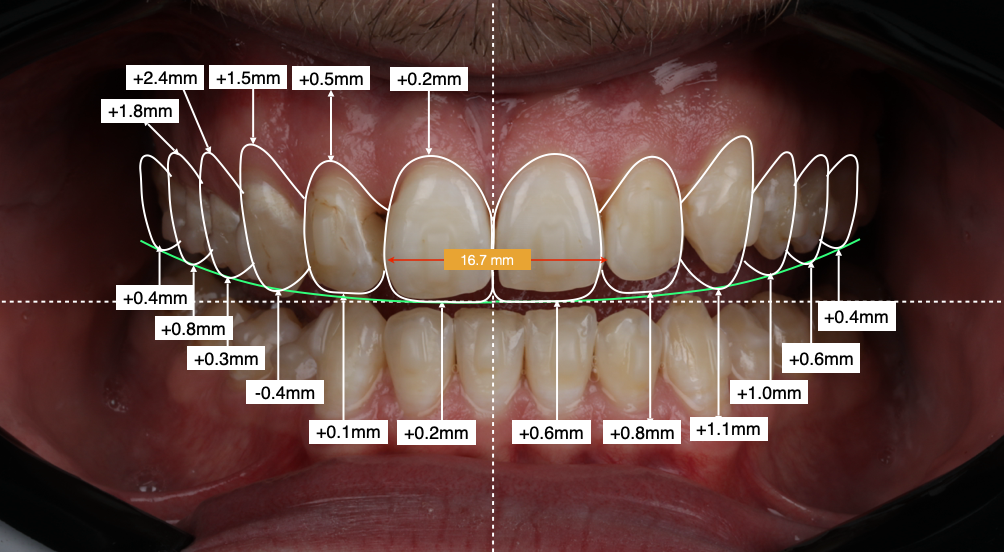
See your new smile instantly!
This tool will help you understand potential structural and aesthetic changes before finalizing treatment decisions.