Zygomatic Implants from Auckland, NZD Cost, Who Needs Them, and Hyderabad Treatment
- Zygomatic implants are indicated when the upper jaw (maxilla) has insufficient bone volume for standard implants in the posterior region, a situation caused by long-standing tooth loss, severe periodontal bone loss, sinus expansion (pneumatisation), or previous failed sinus graft.
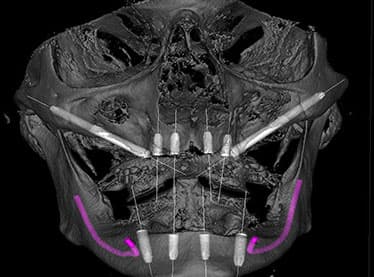
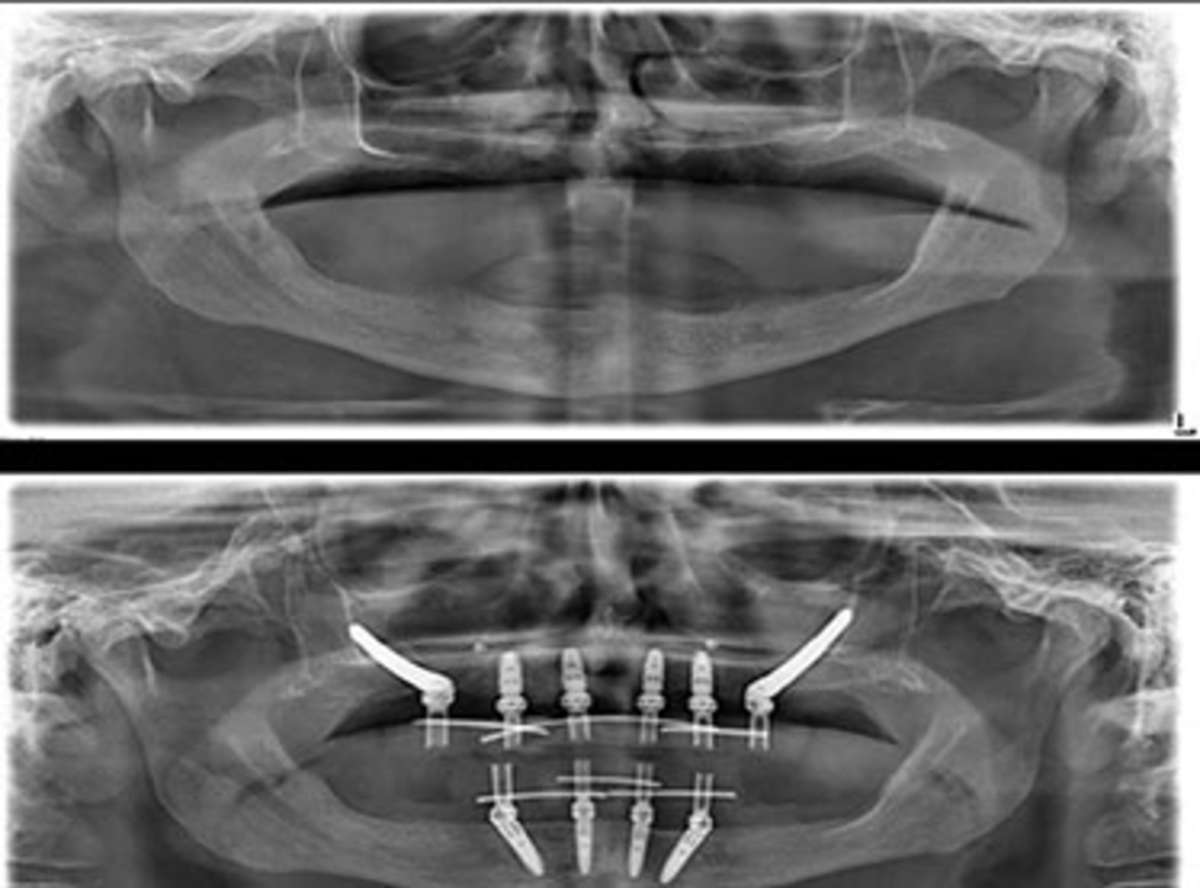
Rather than augmenting the deficient maxillary bone with a large sinus graft (which requires 6–9 months healing), zygomatic implants bypass the posterior maxilla entirely and anchor in the dense cortical bone of the zygomatic buttress (cheekbone).








Zygomatic Implant Cost: Auckland vs Stunning Dentistry
| Treatment | Auckland (NZD) | Stunning Dentistry (NZD) | Net Saving |
|---|---|---|---|
| Classic zygomatic (both arches) | $75,000–$105,000 | $32,000–$43,000 | $32,000–$62,000 |
| Quad zygomatic (both arches) | $110,000–$155,000 | $48,000–$62,000 | $48,000–$93,000 |
| Hybrid zygomatic (2 zygomatic + 2 standard) | $80,000–$115,000 | $36,000–$48,000 | $32,000–$67,000 |
| Return flight AKL → HYD | , | $1,400–$2,200 | , |
| Accommodation (12 nights) | , | $960–$1,440 | , |
| **Net saving after travel, classic** | , | , | **NZD 30,000–59,000** |
Questions about this procedure?
Who Needs Zygomatic Implants
Zygomatic implants are indicated when the upper jaw (maxilla) has insufficient bone volume for standard implants in the posterior region, a situation caused by long-standing tooth loss, severe periodontal bone loss, sinus expansion (pneumatisation), or previous failed sinus graft. Rather than augmenting the deficient maxillary bone with a large sinus graft (which requires 6–9 months healing), zygomatic implants bypass the posterior maxilla entirely and anchor in the dense cortical bone of the zygomatic buttress (cheekbone).
Three surgical variants are used, classified by Aparicio's ZAGA system (Zygoma Anatomy-Guided Approach):
- Classic zygomatic: Two zygomatic implants in the upper jaw supporting a full arch bridge. Approximately 58% of zygomatic cases.
- Quad zygomatic: Four zygomatic implants (two per side), used when the anterior maxilla also lacks bone and standard anterior implants are not viable. Approximately 22% of cases.
- Hybrid: Two zygomatic implants posteriorly + two to four standard implants anteriorly. Approximately 20% of cases.
Ready to discuss your options?
Auckland Zygomatic Implant Context
Zygomatic implant surgery requires an oral surgeon or implantologist trained specifically in the zygomatic technique, a specialist subset within implantology. The number of practitioners offering this procedure in New Zealand is small. Auckland has the highest concentration of specialist zygomatic providers in NZ, but the fee reflects both the specialist complexity and the limited New Zealand market volume. Auckland patients quoted NZD 75,000–105,000 for classic zygomatic frequently contact Stunning Dentistry as a direct result of this cost.
At Stunning Dentistry, zygomatic implant surgery uses X-Guide dynamic navigation (mandatory, not optional) for real-time drill tracking through the 35–55 mm zygomatic trajectory. Surgery is performed at partner hospitals, AIG Gachibowli, Apollo Jubilee Hills, or KIMS Secunderabad, under general anaesthesia, with one overnight hospital stay.
Curious about costs and timelines?
Auckland → Hyderabad Trip for Zygomatic Implants
Total trip: 12 days including 1 night in hospital.
| Day | Activity |
|---|---|
| Day 1 | Arrive Hyderabad (AKL → SIN → HYD); airport pickup; rest |
| Day 2 | Clinical consultation; CBCT scan; ZAGA classification |
| Day 3 | Pre-anaesthetic assessment; hospital admission |
| Day 4 | Zygomatic implant surgery under GA; overnight hospital stay |
| Day 5 | Hospital discharge; hotel recovery; provisional bridge seated |
| Day 6 | Post-surgical review; diet and care instructions |
| Day 7–10 | Recovery; post-op checks |
| Day 11 | Pre-departure review |
| Day 12 | Depart HYD → SIN → AKL |
Want a personalised treatment plan?
Risk and Honest Expectation
Sinusitis (sinus-related infection post-surgery) occurs in 6.4% of zygomatic cases at Stunning Dentistry and is managed at SD cost during the first 6 months post-surgery. Early implant failure (within 6 months of placement) is 2.6%. These rates align with published international data from high-volume zygomatic centres.
Zygomatic implants are not a shortcut, they are indicated for severely resorbed maxillae where alternatives are limited. For Auckland patients with moderate posterior maxillary bone loss (4–7 mm height), a sinus lift with staged implants is the conventional and lower-risk option. Zygomatic implants are the appropriate protocol when sinus lift volume or healing period is prohibitive.
Questions about this procedure?
Ready to discuss your options?
Specialist-only treatment planning
- Remote file review before travel
- Evidence-led treatment checkpoints
No waiting list for eligible cases
- Remote file review before travel
- Evidence-led treatment checkpoints
Trip coordinated with care timeline
- Remote file review before travel
- Evidence-led treatment checkpoints
Our Partners





Why Us
Frequently Asked Questions
What is the difference between classic and quad zygomatic?
Classic zygomatic uses two fixtures in the zygomatic buttress (one per side) alongside anterior standard implants. Quad zygomatic uses four zygomatic fixtures (two per side) when the anterior maxilla also has insufficient bone for standard implants.
Do I need general anaesthesia for zygomatic implants?
Yes. At Stunning Dentistry, zygomatic implant surgery is performed under general anaesthesia at a partner hospital with one overnight stay. This is standard protocol for zygomatic cases due to the surgical complexity and patient comfort.
How long do zygomatic implants last?
Published 10-year survival data for zygomatic implants is approximately 95.2%. Long-term outcomes depend on peri-implant hygiene, occlusal management, and patient systemic factors.
Can I have zygomatic implants instead of a sinus lift?
Zygomatic implants are an alternative to large-volume sinus lifting when posterior maxillary bone is severely deficient (typically < 3–4 mm). For moderate deficiency (4–7 mm), conventional sinus lift with delayed implants is the lower-complexity option. CBCT determines which approach is appropriate.
See your new smile instantly!
This tool will help you understand potential structural and aesthetic changes before finalizing treatment decisions.