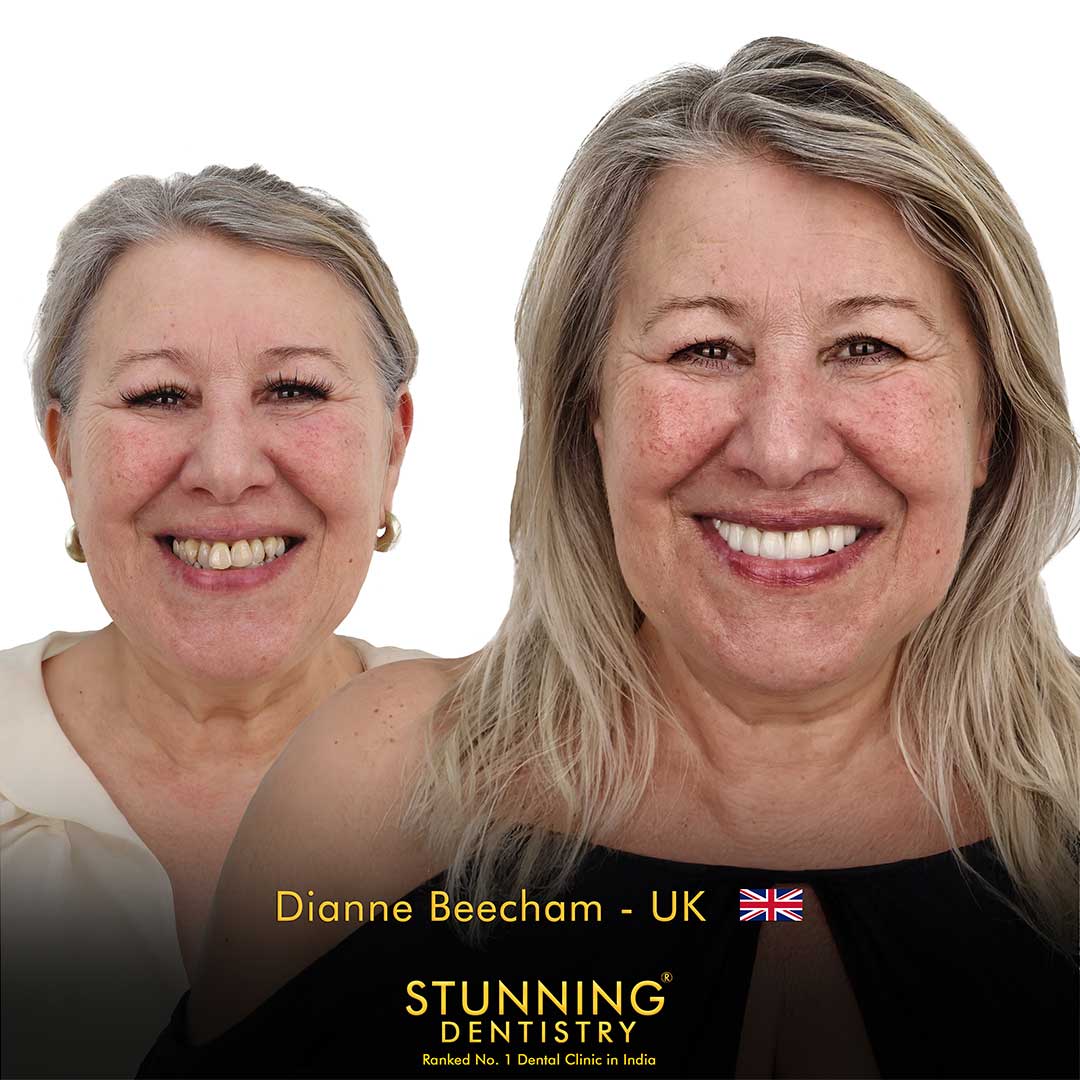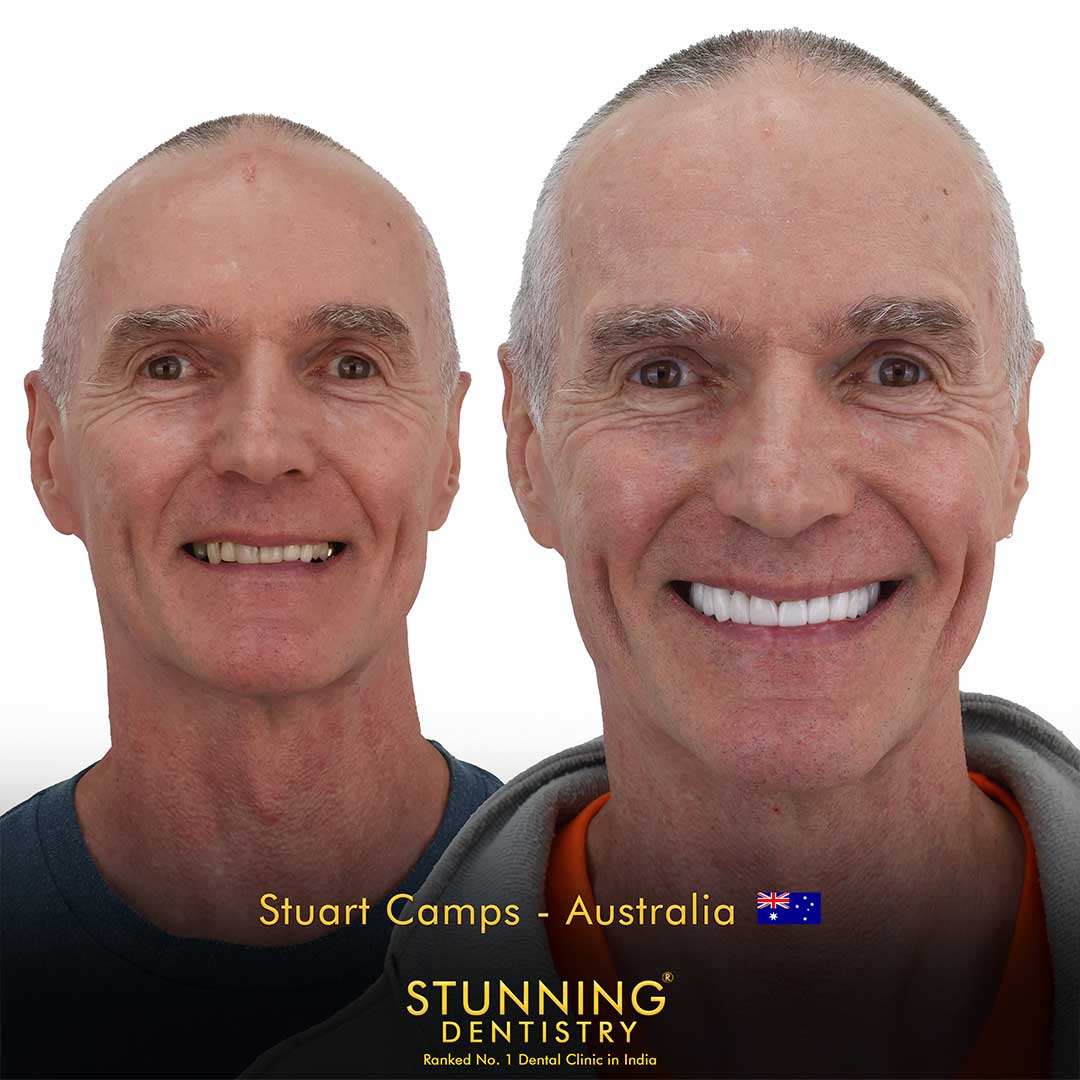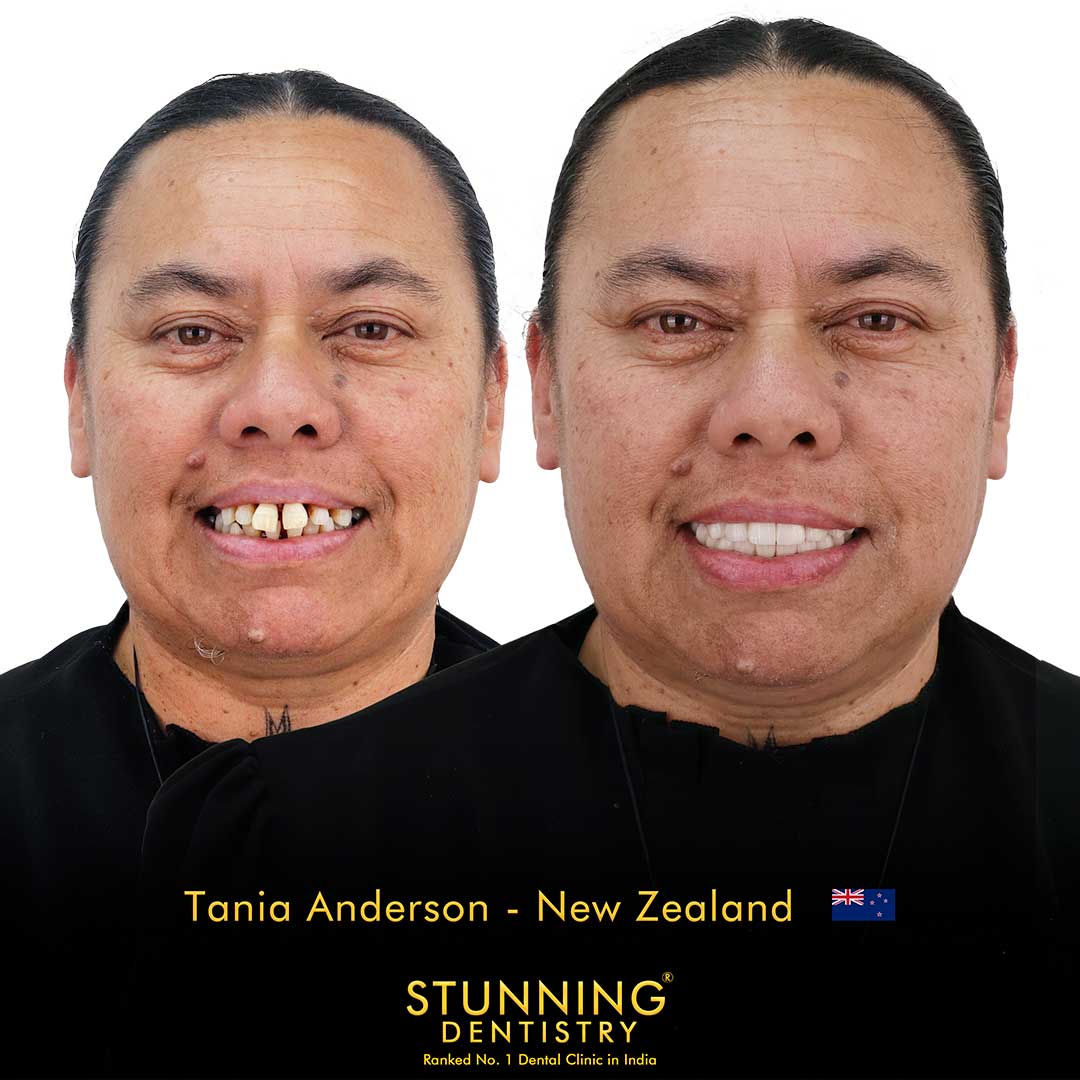
Zygomatic Implants for New Zealand Patients, The Specialist Answer to Severe Posterior Maxillary Atrophy
- The ZAGA Classification, 5 Anatomical Types



Zygomatic Implants, Is This What You Need?
What are zygomatic implants for New Zealand patients?
> Zygomatic implants are 30–55 mm titanium fixtures that anchor in the dense cortical bone of the cheekbone (zygomatic bone) rather than the atrophied maxillary alveolus. They are the clinical answer for New Zealand patients with severe posterior upper-jaw bone loss, from long-term denture wear, advanced periodontal disease, failed grafts, or congenital underdevelopment, where standard All-on-4/6 cannot be safely placed. Classic zygomatic (2 zygomatic + 2 conventional implants) costs NZD 32,000–43,000 at Stunning Dentistry versus NZD 75,000–105,000 in New Zealand. Quad zygomatic costs NZD 48,000–62,000 versus NZD 110,000–155,000 in New Zealand.
Zygomatic implants bypass the posterior maxillary bone entirely by engaging the malar cortex, the dense, non-resorbing cheekbone that persists regardless of alveolar atrophy. Introduced by Professor Per-Ingvar Brånemark and refined through Carlos Aparicio's ZAGA classification system and Paulo Maló's clinical protocols, zygomatic placement converts a "no bone, no implants" case to a fixed-teeth case in a single surgical trip, without the 9–12-month graft-and-wait sequence that preceded it.
For New Zealand patients: zygomatic implants performed at Stunning Dentistry use the same ZAGA-classified surgical approach, the same X-Guide dynamic navigation system, and the same Zimmer Biomet Zygomatic implant systems used by maxillofacial units at Auckland City Hospital and Wellington Hospital for complex reconstruction cases. The clinical protocol is internationally consistent. What changes is cost, NZD 32,000–43,000 versus NZD 75,000–105,000, and the wait time.
At Stunning Dentistry, early zygomatic failure is 2.6% (versus published 2–4%). Sinusitis, the most common early complication, occurs in 6.4% in our series, managed with antibiotics and ENT referral at our cost in the first 6 months. Late failure (peri-implant sinusitis and peri-implantitis over 12 months) tracks the published 4–6% cumulative at 10 years, with maintenance adherence as the primary modifiable variable.
| Zygomatic Cost | NZ Private Specialist (NZD) | Stunning Dentistry (NZD) | Net Saving |
|---|---|---|---|
| Classic zygomatic (2 zygo + 2 conventional anterior) | 75,000–105,000 | 32,000–43,000 | ~43,000–62,000 |
| Quad zygomatic (4 zygomatic, no conventional) | 110,000–155,000 | 48,000–62,000 | ~62,000–93,000 |
| Hybrid (zygomatic + grafted conventional) | 80,000–115,000 | 36,000–50,000 | ~44,000–65,000 |
Questions about this procedure?
What Zygomatic Implants Are
How do zygomatic implants work?
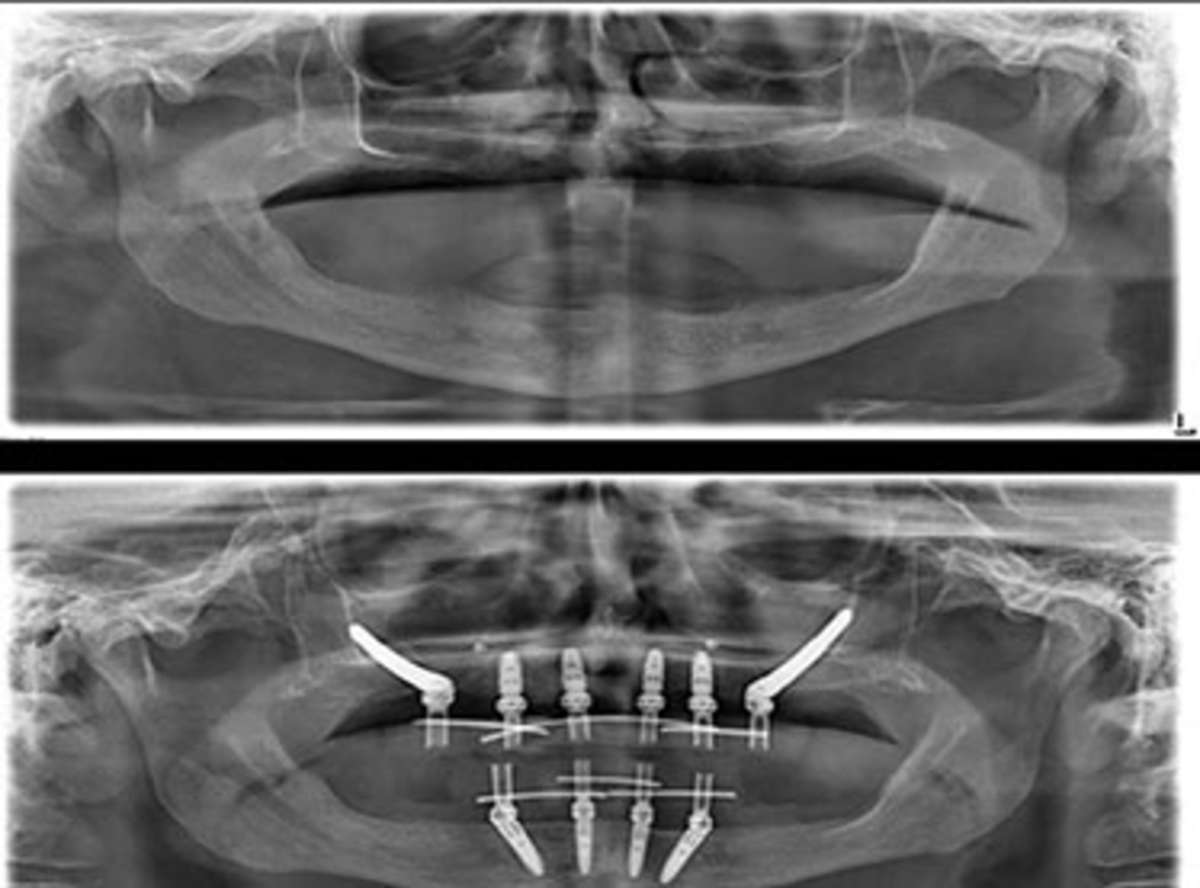
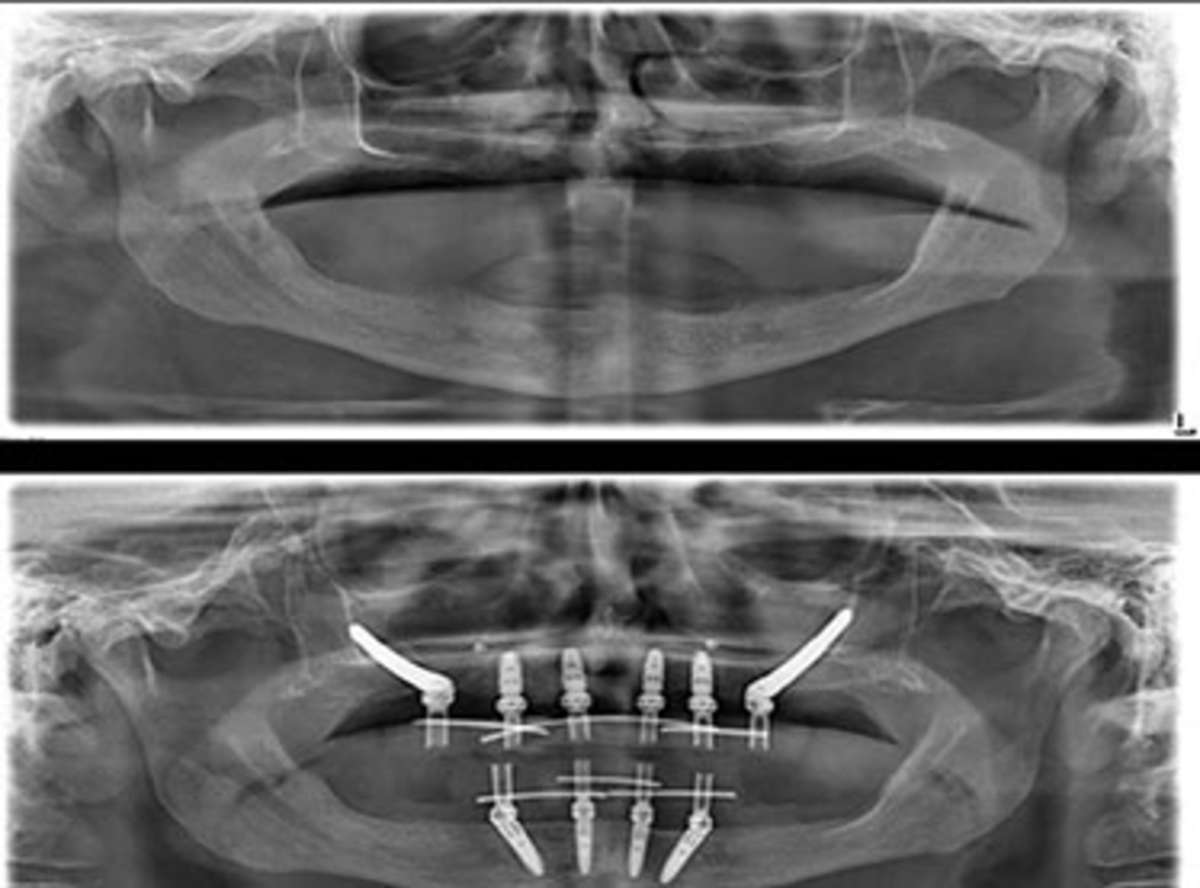
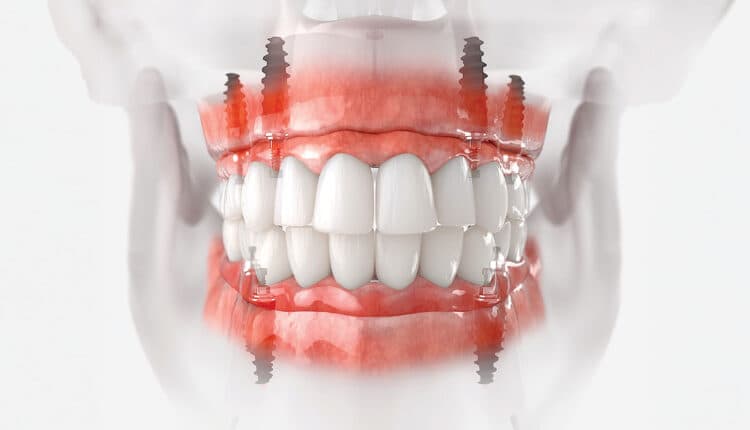
> A zygomatic implant is a 30–55 mm titanium fixture designed to traverse the maxillary sinus or pass lateral to it (depending on ZAGA type) and engage the dense cortical bone of the zygomatic body, the cheekbone. This gives the implant primary stability in bone that is unaffected by alveolar resorption. The prosthetic platform emerges in the palatal or alveolar region and functions as a conventional implant prosthetic connection. Combined with 1–2 anterior conventional implants in residual native bone, zygomatic implants support a full fixed arch without any bone grafting.
Standard implants, including the tilted posterior fixtures in All-on-4, require a minimum of approximately 4 mm of bone height in the posterior maxilla. When posterior bone loss has reduced this below the threshold (ZAGA III–IV, residual posterior bone under 4 mm, pneumatised sinuses extending to the mid-palate), tilted conventional implants lose the cortical bite that generates the 35 Ncm primary stability required for immediate loading.
At Stunning Dentistry, every zygomatic case is ZAGA-classified on the pre-operative CBCT. The ZAGA type (0–IV) determines the surgical trajectory, the drill sequence, the membrane management approach, and the fixture length. This is not academic, the wrong trajectory for a ZAGA III anatomy risks sinus membrane perforation or zygomatic cortex exit at a site where the bone thickness is insufficient for primary stability.
Ready to discuss your options?
The ZAGA Classification, 5 Anatomical Types
What is the ZAGA classification for zygomatic implants?
> Carlos Aparicio's Zygoma Anatomy-Guided Approach (ZAGA) classification describes five anatomical types based on the relationship between the zygomatic bone, maxillary sinus, and alveolar ridge. ZAGA 0–I: mild atrophy, intra-sinus trajectory. ZAGA II: moderate atrophy, intra-sinus with slight lateral deviation. ZAGA III: severe atrophy, extra-maxillary trajectory. ZAGA IV: severe atrophy with concave alveolus, full extra-maxillary. Each type requires a different surgical approach. ZAGA type is documented in the operative record at Stunning Dentistry.
| ZAGA Type | Alveolar Status | Surgical Trajectory | SD Frequency |
|---|---|---|---|
| ZAGA 0 | Intact alveolar ridge | Intra-sinus | Rare (alternative plans usually available) |
| ZAGA I | Mild atrophy | Intra-sinus; classic trajectory | Most common in early presentation |
| ZAGA II | Moderate atrophy | Intra-sinus with slight extra-maxillary deviation at entry | Common |
| ZAGA III | Severe atrophy | Extra-maxillary; implant emerges from buccal alveolus, passes lateral to sinus wall | Most common in NZ patients (long-term denture wear) |
| ZAGA IV | Severe atrophy, concave alveolus | Full extra-maxillary; no sinus involvement | Less frequent; highest surgical complexity |
Curious about costs and timelines?

The Three Surgical Variants
What are the three zygomatic implant configurations used at Stunning Dentistry?
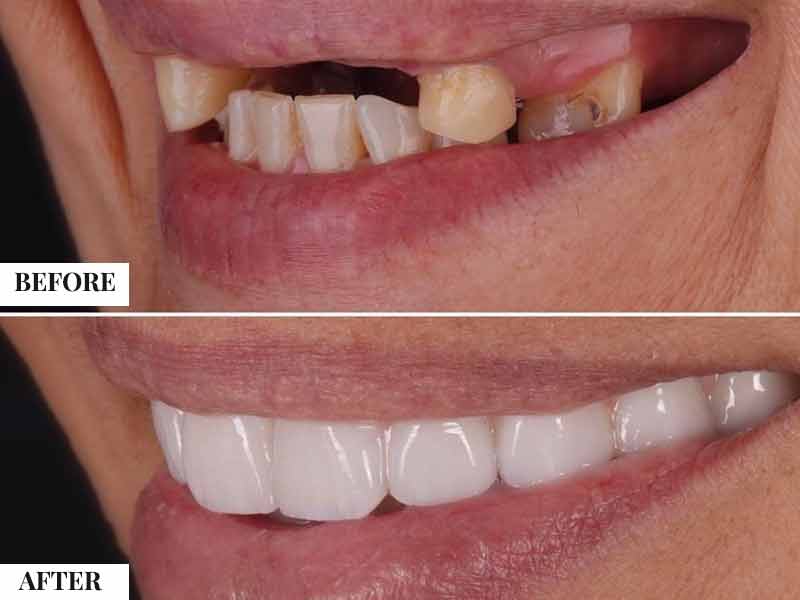
> Classic zygomatic: 2 zygomatic posterior + 2 conventional anterior (58% of cases). Quad zygomatic: 4 zygomatic, 2 per side, where anterior maxilla cannot support conventional implants (22% of cases). Hybrid: 2 zygomatic posterior + 2–3 conventional in grafted anterior bone (20% of cases). Variant is chosen from the CBCT, not from preference.
Classic zygomatic (58% of SD cases): Two zygomatic implants engage the zygomatic bodies bilaterally at the posterior. Two conventional implants are placed in the residual anterior native bone. The prosthetic platform is four-implant supported, mimicking All-on-4 biomechanics but with posterior anchorage in the malar cortex instead of the atrophied alveolus.
Hybrid zygomatic (20% of SD cases): Two zygomatic implants posteriorly combined with two or more conventional implants placed in grafted anterior bone. Used when anterior bone is borderline, enough to consider conventional implants after guided bone regeneration, but insufficient to support a four-conventional-implant configuration. The zygomatic component provides immediate stability while the grafted anterior heals.
Want a personalised treatment plan?
Questions about this procedure?
Who Is a Candidate
Who is a candidate for zygomatic implants?
> Primary candidates: patients with ZAGA III–IV posterior maxillary atrophy (residual posterior bone <4 mm, CBCT-confirmed); failed previous bone grafts or sinus lifts; patients who decline further grafting after failed attempts; long-term complete upper denture wearers with CBCT-confirmed severe atrophy. Not a candidate: patients with active maxillary sinusitis (must be treated first); severe medical contraindications to GA; and patients with ZAGA 0–I anatomy where conventional All-on-4 is adequate.
| Profile | Candidacy | Next Step |
|---|---|---|
| ZAGA III–IV, <4 mm posterior bone, CBCT-confirmed | Primary zygomatic indication | Book CBCT review |
| Failed previous sinus lift or bone graft | Strong zygomatic indication | CBCT assessment; ZAGA classification |
| Long-term complete upper denture, severe atrophy suspected | Likely zygomatic indication | Confirm with CBCT |
| Active maxillary sinusitis | Contraindicated until resolved | ENT treatment first, then reassess |
| ZAGA 0–I anatomy (adequate bone for tilted conventional) | All-on-4 preferred | Conventional planning |
| Severe GA medical contraindication | Zygomatic not advisable | Medical management; explore alternatives |
Ready to discuss your options?
When NOT to Choose Zygomatic
When is zygomatic the wrong choice?
> Zygomatic implants are specifically indicated for severe posterior maxillary atrophy. For patients with adequate posterior bone, even with moderate atrophy addressable by tilted All-on-4 fixtures, zygomatic adds surgical complexity, GA requirement, and overnight hospital stay without corresponding benefit. The correct protocol is determined by ZAGA classification, not by patient preference for a more "advanced" procedure.
Zygomatic implants carry a higher short-term complication profile than standard All-on-4, specifically a 5–8% early sinusitis rate in the literature, 6.4% in our series. For a patient with adequate bone for conventional All-on-4, accepting this added complication risk for no biomechanical benefit is not appropriate clinical decision-making. The indications are specific. The procedure is reserved for those indications.
Curious about costs and timelines?
Step-by-Step: The 12-Day Hospital Trip
What does the zygomatic implant trip from New Zealand look like?
> 12 days in India (versus 10 for All-on-4). Days 1–3: diagnostic workup. Day 4: partner hospital admission (AIG, Apollo, or KIMS). Day 5: surgery under GA, ZAGA-classified placement, X-Guide navigation, all fixtures placed, provisional fitted. Day 6: post-op overnight hospital monitoring. Day 7: hospital discharge, hotel transfer. Days 8–10: post-op reviews. Day 11: comprehensive check, discharge planning. Day 12: fly home. Month 5–7: return for definitive zirconia (5 nights).
| Day | Activity |
|---|---|
| Days 1–3 | Arrival, CBCT, intraoral scan, ZAGA classification, anaesthetist consultation, virtual plan, hospital pre-admission |
| Day 4 | Hospital admission, AIG Gachibowli, Apollo Jubilee Hills, or KIMS Secunderabad |
| Day 5 | Surgery under GA: ZAGA-classified placement, X-Guide navigation, zygomatic fixtures + anterior implants, provisional where stable |
| Day 6 | Overnight hospital monitoring, IV fluids, pain management |
| Day 7 | Hospital discharge, hotel transfer, Ella Watson present throughout |
| Days 8–10 | Post-op reviews: swelling, nasal discharge check, diet guidance |
| Day 11 | Comprehensive review, photographs, discharge planning |
| Day 12 | Final review, fly home |
| Month 5–7 (Visit 2, 5 nights) | Provisional review; definitive monolithic zirconia delivered |
Want a personalised treatment plan?
Pain and Sedation
How painful is zygomatic implant surgery?
> Zygomatic surgery is performed under general anaesthesia at a partner hospital with overnight monitoring. Post-surgical recovery is more demanding than All-on-4: greater swelling (bilateral facial and periorbital), nasal discharge for 3–5 days (normal, sinus membrane reaction), soreness for 5–7 days managed with prescription analgesia. Most patients describe recovery as "significant for the first week, manageable by day 10."
Zygomatic surgery under GA eliminates operative awareness entirely. Post-operatively, the experience is more intensive than conventional implant placement: bilateral facial and periorbital swelling (often extending to the sub-orbital region), some nasal discharge (a normal physiological response to sinus-adjacent surgery), and a prescription analgesic protocol for days 1–5. Paracetamol plus stronger NSAIDs, stepped down as recovery progresses, manage post-operative pain for most patients.
Questions about this procedure?
Risk Transparency
What are the specific risks of zygomatic implants?
6% at Stunning Dentistry, versus published 2–4%. 4% in our series, managed with antibiotics and ENT referral at SD's cost within the first 6 months. Late failure (peri-implant sinusitis, peri-implantitis, 10-year cumulative): 4–6% published. 5% under normal load.
| Risk Event | Published Rate | SD Rate | Category | Management |
|---|---|---|---|---|
| Early zygomatic failure (<6 months) | 2–4% | 2.6% | A, replacement at SD cost incl. re-trip | Removal; replacement after healing |
| Sinusitis (first 6 months) | 5–8% | 6.4% | Managed at SD cost (antibiotics, ENT) | Antibiotics; ENT referral if needed |
| Late failure (peri-implant sinusitis, >12 months) | 4–6% cumulative at 10 years | Monitored | B, conditional on maintenance | Surgical debridement; ENT co-management |
| Prosthetic fracture (normal load) | <0.5% | <0.5% | A | Replacement under warranty |
| Orbital floor proximity complication | Very rare (<0.1%) with X-Guide | <0.1% | A | Surgical management; ophthalmology consult |
Ready to discuss your options?
Claim Boundaries
What can zygomatic implants realistically promise?
> Published 10-year zygomatic implant survival: 90–95% in systematic reviews (Aparicio 2014; Boyes-Varley 2003; Duarte 2007). These are population-level figures. Individual outcomes depend on ZAGA classification, surgical accuracy (hence X-Guide mandatory), maintenance adherence, and sinusitis management in the first 6 months. Lifetime implant warranty at Stunning Dentistry covers failure to integrate and premature loss.
Curious about costs and timelines?
Clinical Success Determinants
| Determinant | Target | Why Critical for Zygomatic |
|---|---|---|
| ZAGA classification | Correctly classified pre-surgery | Wrong classification → wrong trajectory → sinus perforation or insufficient zygomatic cortex engagement |
| X-Guide navigation accuracy | ±0.5 mm throughout full fixture length | 45 mm fixture cannot be placed freehand to adequate accuracy |
| Sinusitis prevention/management | Antibiotic prophylaxis + nasal rinse protocol | First 6 months; most early complications preventable with protocol adherence |
| Maintenance hygiene | Hygienist familiar with zygomatic prostheses every 6 months | Peri-implant sinusitis risk increases without professional maintenance |
| Night-guard use | Nightly from provisional delivery | Reduces occlusal overload on the prosthetic platform |
Want a personalised treatment plan?
Healing Timeline
| Timepoint | What Is Happening |
|---|---|
| Day 5 (surgery) | Zygomatic fixtures placed under GA; provisional fitted where stable |
| Days 6–7 | Overnight hospital monitoring; discharge to hotel day 7 |
| Days 8–12 | Post-op reviews; swelling resolves progressively |
| Weeks 1–12 | Soft diet; bi-weekly Zoom check-ins; nasal rinse protocol |
| Month 3 | NZ hygienist visit (zygomatic-familiar practice); Zoom consultation |
| Month 5–7 | Return to India (5 nights); definitive monolithic zirconia delivered |
| Month 12 | Annual CBCT; sinus review; screw re-torque |
Questions about this procedure?
Cost Logic, NZD Out-of-Pocket Reality
What is the total NZD cost of zygomatic implants at Stunning Dentistry from New Zealand?
> Classic zygomatic: NZD 32,000–43,000 clinical fee + NZD ~2,000–3,400 travel = approximately NZD 34,000–46,400 total vs NZD 75,000–105,000 in New Zealand. Net saving: NZD 39,000–62,000.
| Line Item | Classic Zygomatic (NZD) | Quad Zygomatic (NZD) |
|---|---|---|
| Clinical fee at Stunning Dentistry | 32,000–43,000 | 48,000–62,000 |
| Return flights AKL/WLG/CHC ↔ HYD | 1,300–2,200 | 1,300–2,200 |
| Hotel (12 nights, 4-star) | 840–1,440 | 840–1,440 |
| India e-Medical Visa + insurance | 240–490 | 240–490 |
| **Total NZD out-of-pocket** | **~NZD 34,380–47,130** | **~NZD 50,380–66,130** |
| NZ private specialist quote | 75,000–105,000 | 110,000–155,000 |
| **Net saving** | **~NZD 39,000–62,000** | **~NZD 60,000–90,000** |
Ready to discuss your options?
Myth Deconstruction
What are the most common zygomatic implant myths?
> Myth 1: Zygomatic implants are experimental. False, the literature spans 25+ years; Brånemark's first cases were published in 1998. Myth 2: Any implantologist can place zygomatic implants. False, this is a maxillofacial surgeon procedure requiring dynamic navigation and hospital GA infrastructure. Myth 3: Zygomatic means anchoring in your eye socket. False, the zygomatic body (malar eminence, cheekbone) is anatomically distinct from and well below the orbital floor.
Curious about costs and timelines?
People Also Ask
How long do zygomatic implants last?
Only if the dental loss is demonstrably caused by a covered accident. Generalised atrophy from denture wear or periodontitis is not accident-related.
Want a personalised treatment plan?
Ask Your Doctor
1. What is my ZAGA classification, and can I see the CBCT-based ZAGA assessment in writing?
2. Is X-Guide dynamic navigation used for my case, mandatory or optional at your clinic?
3. At which hospital is surgery performed, what anaesthesia and post-operative monitoring infrastructure exists?
4. What is the sinusitis management protocol for the first 6 months, and what is the cost if sinusitis occurs?
5. What implant brand will you use for the zygomatic fixtures, Zimmer Biomet, Nobel Biocare, or other?
6. What is the written warranty on the zygomatic fixtures and the prosthesis?
7. How will I be followed up in New Zealand, specifically, which NZ practitioner can service zygomatic prosthetics?
Questions about this procedure?
Ready to discuss your options?
Book a Consultation
If you have been told you have "too little bone" for conventional implants, request a remote CBCT review and ZAGA classification.
Diagnosis precedes decision.
Curious about costs and timelines?
Want a personalised treatment plan?
Specialist-only treatment planning
- Remote file review before travel
- Evidence-led treatment checkpoints
No waiting list for eligible cases
- Remote file review before travel
- Evidence-led treatment checkpoints
Trip coordinated with care timeline
- Remote file review before travel
- Evidence-led treatment checkpoints
Our Partners







Why Us
See your new smile instantly!
This tool will help you understand potential structural and aesthetic changes before finalizing treatment decisions.