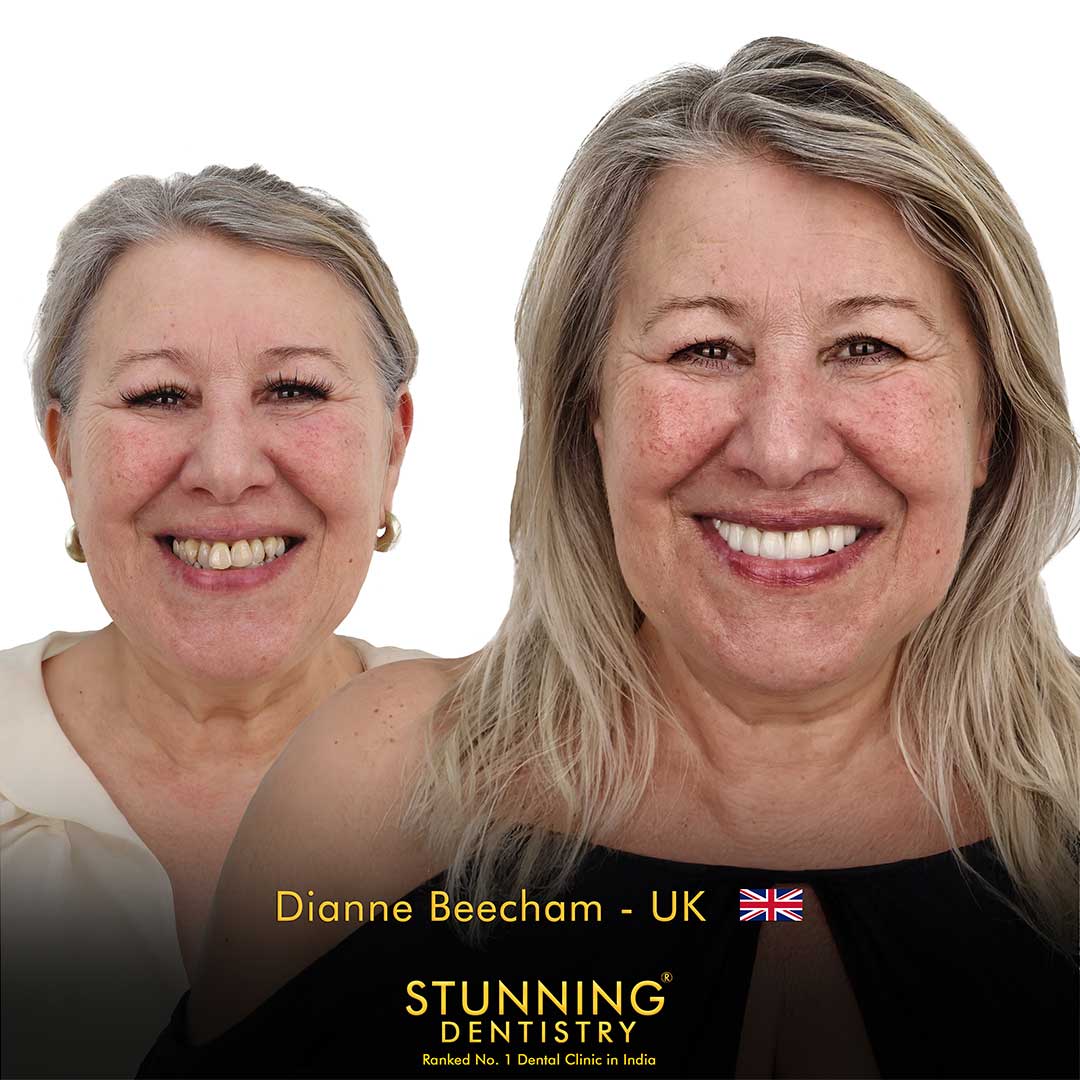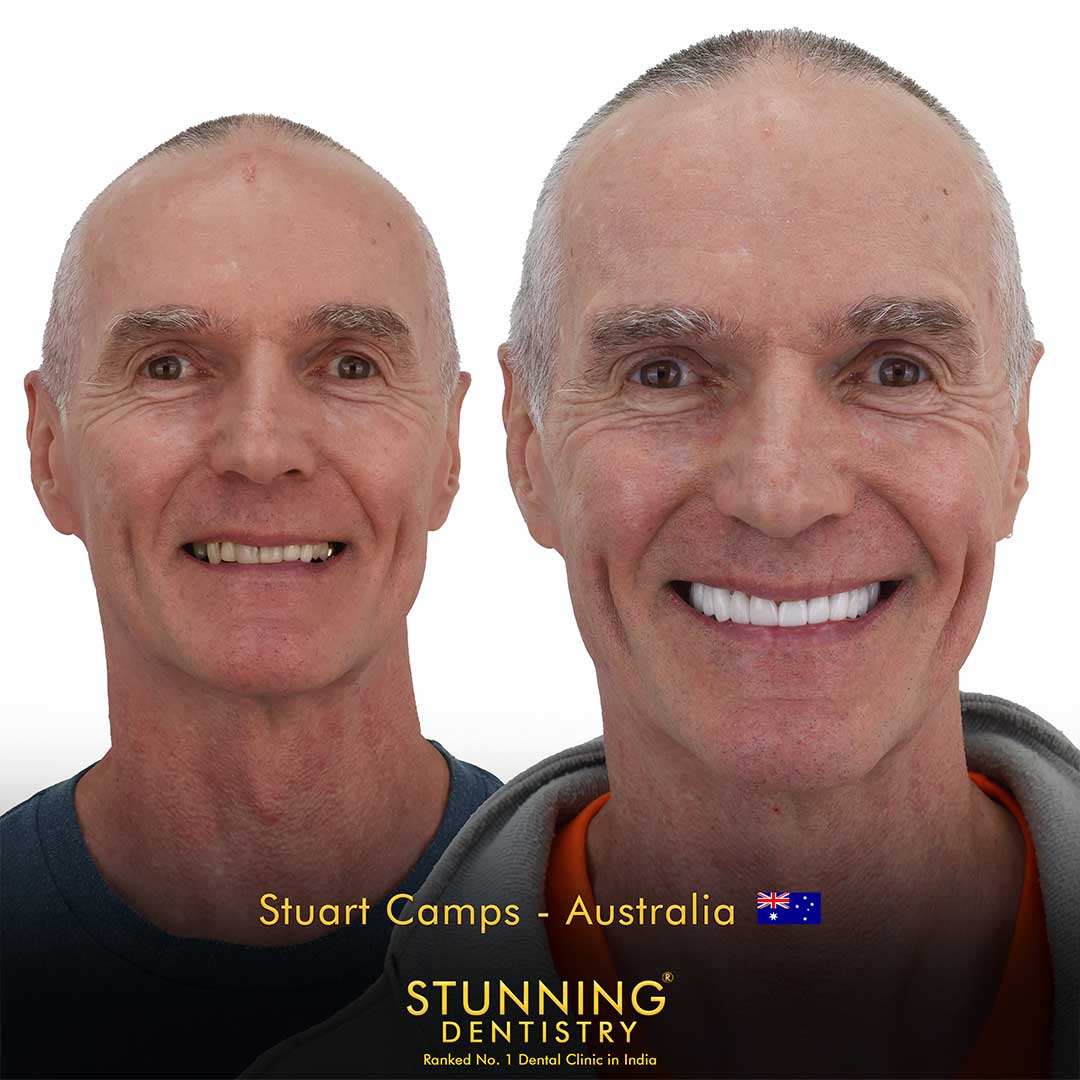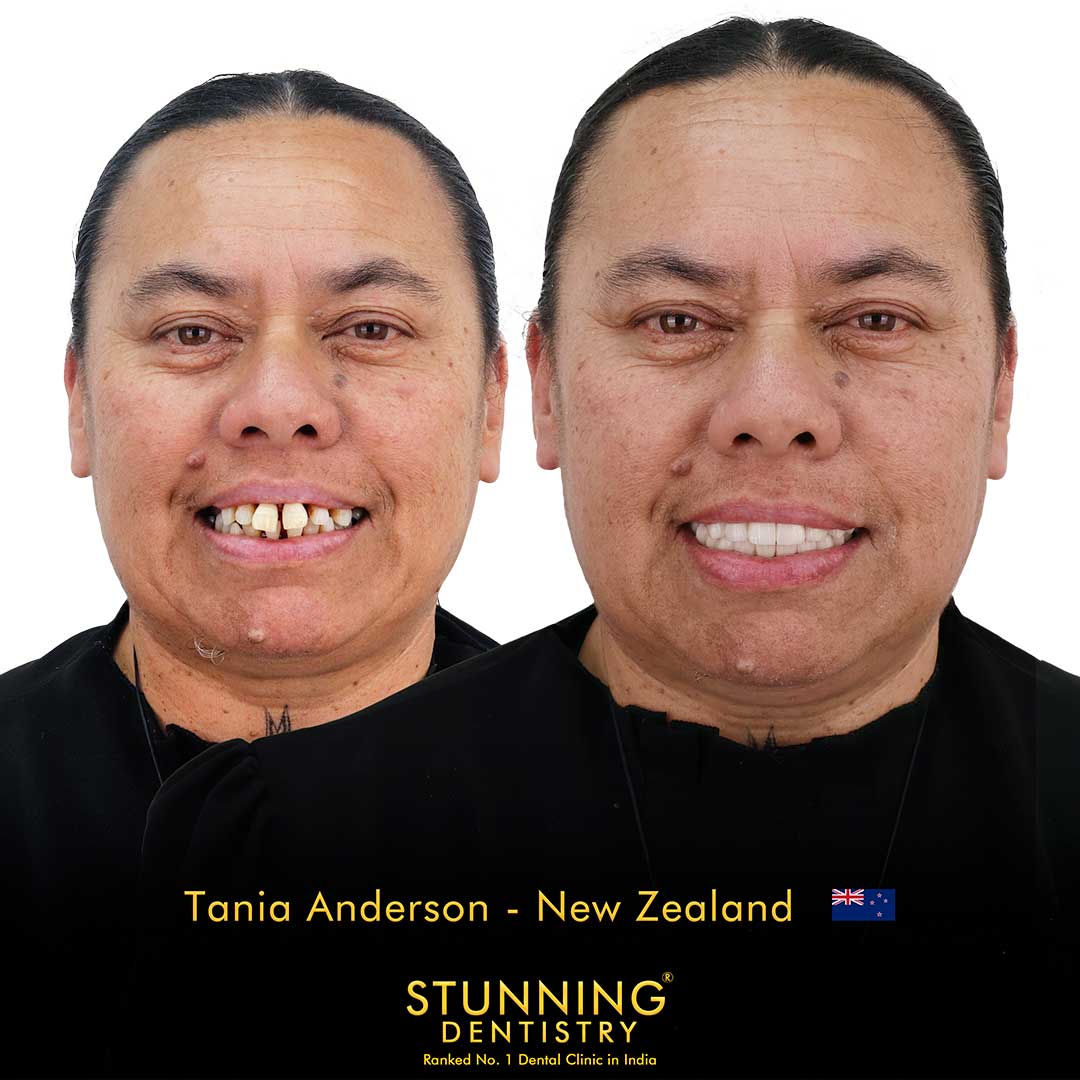
All-on-6 Dental Implants for New Zealand Patients, When Four Is Not Enough
- All-on-6 is not "more implants, therefore better." It is a different answer to a different biomechanical question: how many implants does this specific patient need to safely carry their specific occlusal load for 10–20 years of normal function?



All-on-6 for New Zealand Patients, Is This Your Treatment?
What is All-on-6 and who needs it over All-on-4?
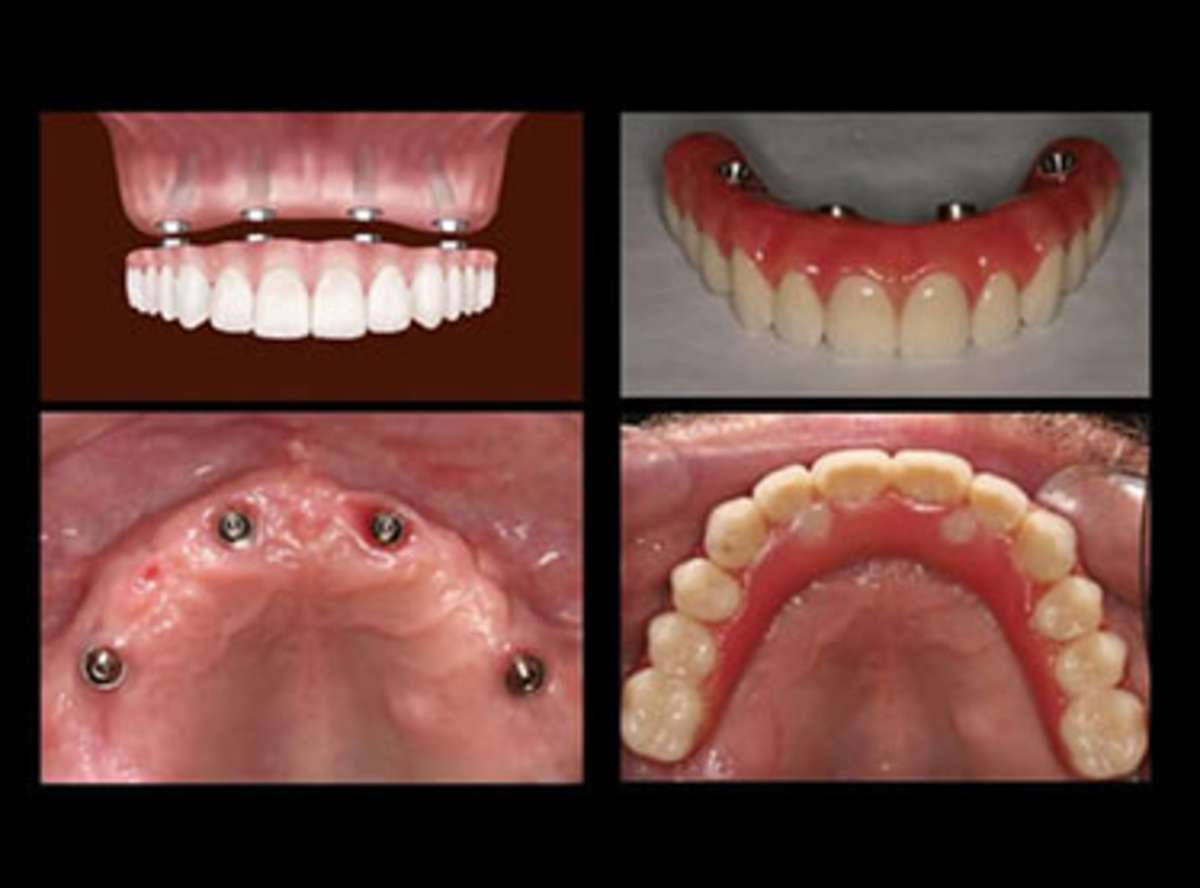
> All-on-6 is a full-arch fixed prosthesis supported by six implants per arch. It is not universally better than All-on-4, it is the clinically indicated choice for three specific profiles: documented bruxism, natural opposing dentition generating high occlusal forces, and patients who require a molar-to-molar prosthetic span. For these patients, six implants reduce per-fixture load by approximately 35% compared to the equivalent All-on-4 configuration, lowering long-term fracture and mechanical complication risk.
All-on-6 is not "more implants, therefore better." It is a different answer to a different biomechanical question: how many implants does this specific patient need to safely carry their specific occlusal load for 10–20 years of normal function?
For patients reading from Aotearoa New Zealand: All-on-6 clinical protocol, material standards, and implant systems are the same whether performed in Auckland, Wellington, or at Stunning Dentistry. The distinction between the two treatment settings is cost, NZD 18,800–24,500 per arch at Stunning Dentistry versus NZD 46,000–62,000 per arch at a New Zealand private specialist, and the in-house digital infrastructure that supports the six-fixture guided surgery workflow.
At Stunning Dentistry, early implant failure rates for All-on-6 are 1.8%, slightly lower than the 2.1% rate for All-on-4 in our series. This reflects the reduced per-fixture load from day one: six fixtures sharing the immediate provisional load means each fixture is working less hard during the critical first 3 months of osseointegration.
| All-on-6 Cost | NZ Private Specialist (NZD) | Stunning Dentistry (NZD) | Net Saving |
|---|---|---|---|
| Single arch, all-inclusive | 46,000–62,000 | 18,800–24,500 | ~27,200–37,500 |
| Both arches, all-inclusive | 82,000–118,000 | 35,000–48,500 | ~47,000–69,500 |
| Difference vs. All-on-4 (both arches at SD) | , | +7,000–11,500 | , |
| CBCT + digital planning + guide | 2,800–4,500 | Included | , |
| IV sedation + anaesthetist | 1,200–2,200 | Included | , |
| Milled PMMA provisional | 4,500–7,500 | Included | , |
| Monolithic zirconia definitive | 12,000–18,000 | Included | , |
Questions about this procedure?
Why Six, Not Four
Why choose All-on-6 over All-on-4?
> Six implants distribute occlusal load across a wider platform, reducing peak stress on the distal fixtures by approximately 35% compared to the equivalent All-on-4 configuration under identical load (finite element analysis, published implant biomechanics literature). The additional two fixtures also eliminate the cantilever section at the distal end of the All-on-4 arrangement, reducing the lever-arm effect that concentrates force on the most posterior implants during chewing and bruxism events.
All-on-4's biomechanical elegance is also its limitation: four fixtures supporting a 12–14-tooth arch creates a cantilever beyond the two posterior fixtures. In non-bruxers with no opposing natural dentition, this cantilever is well within the material and fixture tolerances proven across 25 years of Maló data. In bruxers with natural opposing teeth, the profile common among New Zealand patients presenting with full-arch failure after a lifetime of nocturnal parafunction, that cantilever sees peak stress cycles that compound differently over a decade.
Biomechanical Comparison
| Factor | All-on-4 | All-on-6 | Clinical Implication |
|---|---|---|---|
| Distal cantilever | Present (2nd premolar to molar) | Absent | Reduces lever-arm stress on posterior fixtures |
| Peak stress per fixture (FEA, equal load) | Baseline | ~35% lower | Lower fracture risk in high bite-force profiles |
| Zirconia fracture (normal function) | <0.5% at 10 years | <0.5% at 10 years | Equivalent in non-bruxers |
| Zirconia fracture (uncontrolled bruxism) | Up to 2% | <1% | All-on-6 advantage specific to this population |
| Early implant failure rate (SD series) | 2.1% | 1.8% | Lower for All-on-6, reduced immediate load per fixture |
Ready to discuss your options?
The Three Indications
What are the three clinical indications for All-on-6 over All-on-4?
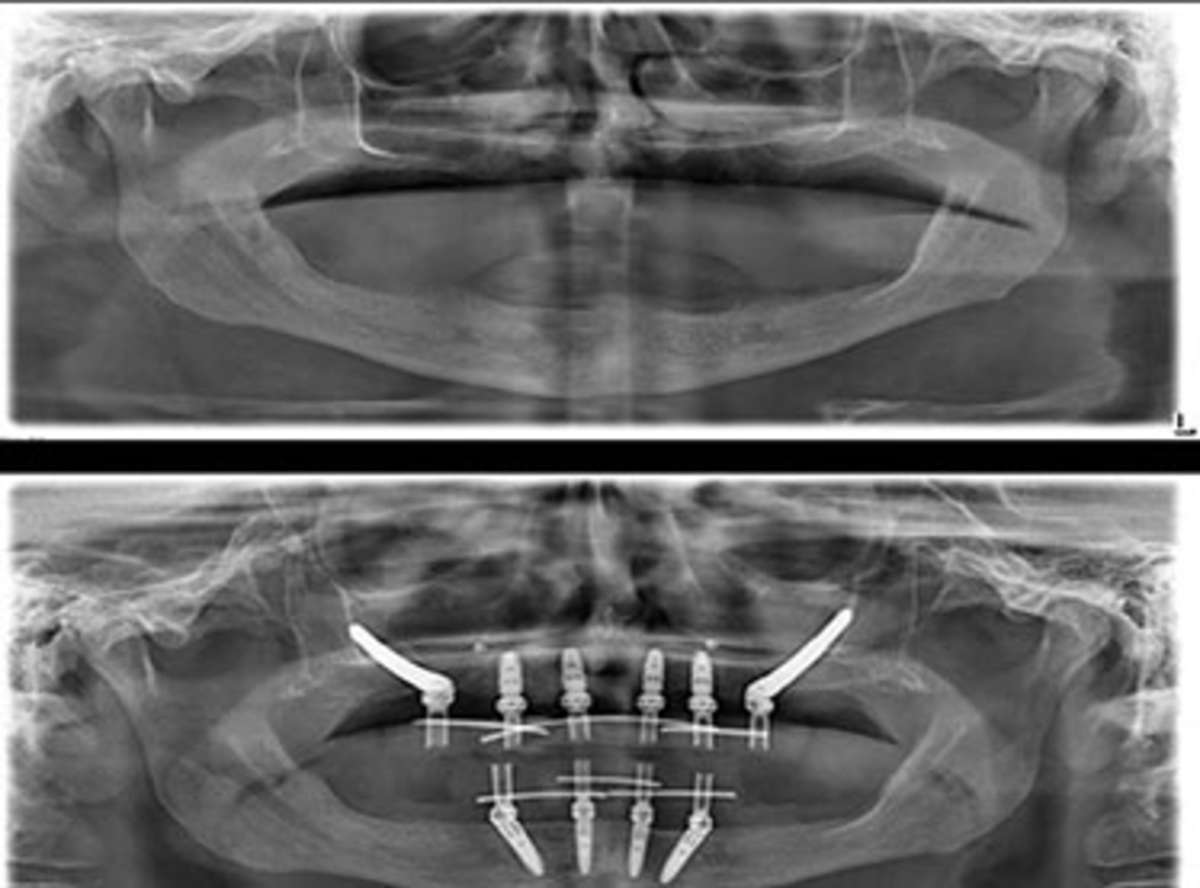
> Indication 1: documented bruxism, history of splint use, heavy wear facets, TMJ symptoms, or partner-reported night grinding. Indication 2: natural opposing dentition, when the full-arch prosthesis opposes natural teeth, occlusal forces are higher and more variable than prosthesis-versus-prosthesis contacts. Indication 3: molar-to-molar prosthetic span, patients who need distal extension to first molar position for chewing function. Any single indication tips the plan to All-on-6. Two or more indications is an automatic All-on-6 recommendation.
Indication 1, Bruxism, Documented or Strongly Suspected. Patients with a history of dental splint use, heavy occlusal wear facets visible on CBCT or clinical examination, TMJ symptoms, or partner-reported night grinding have higher cyclic occlusal loads than non-bruxers. The parafunction forces generated during sleep bruxism, typically 5–10 times higher than voluntary biting force, stress the implant-prosthesis interface at cycles and magnitudes that the All-on-4 distal cantilever was not designed to absorb indefinitely. For these patients, six implants are the load-distribution solution. Night-guard use is still required, six implants do not make bruxism harmless; they make it manageable.
Any single indication is sufficient to move the recommendation to All-on-6. Two or more is decisive.
Curious about costs and timelines?
When NOT to Choose All-on-6
When is All-on-6 not the right choice?
> All-on-6 is not appropriate for patients who: do not have bruxism, natural opposing dentition, or molar-to-molar span requirements, in these cases, All-on-4 is the better-evidence choice; have severe posterior maxillary atrophy (zygomatic protocol is safer); cannot tolerate the additional surgical trauma of six fixture placements due to medical fragility; or cannot afford the additional cost difference and would benefit better from All-on-4's proven performance.
All-on-6 should not be upsold to patients whose clinical profile does not indicate it. For a patient without bruxism, without natural opposing dentition, and without a molar-to-molar requirement, All-on-4 is the evidence-supported choice, not a compromise. The Maló data at 18 years is for All-on-4, not All-on-6. Upgrading unnecessarily adds surgical trauma, cost, and complexity without corresponding clinical benefit.
New Zealand patients considering All-on-6 should also assess the cost differential honestly. The additional NZD 7,000–11,500 at Stunning Dentistry (both arches vs All-on-4) is justified for the three indications above. For a patient without those indications, it is not. At Stunning Dentistry, when the CBCT review and bite-force assessment support All-on-4, that is the recommendation, regardless of the margin difference.
Want a personalised treatment plan?
Step-by-Step: The 10-Day Trip
What happens during the 10-day All-on-6 trip from New Zealand?
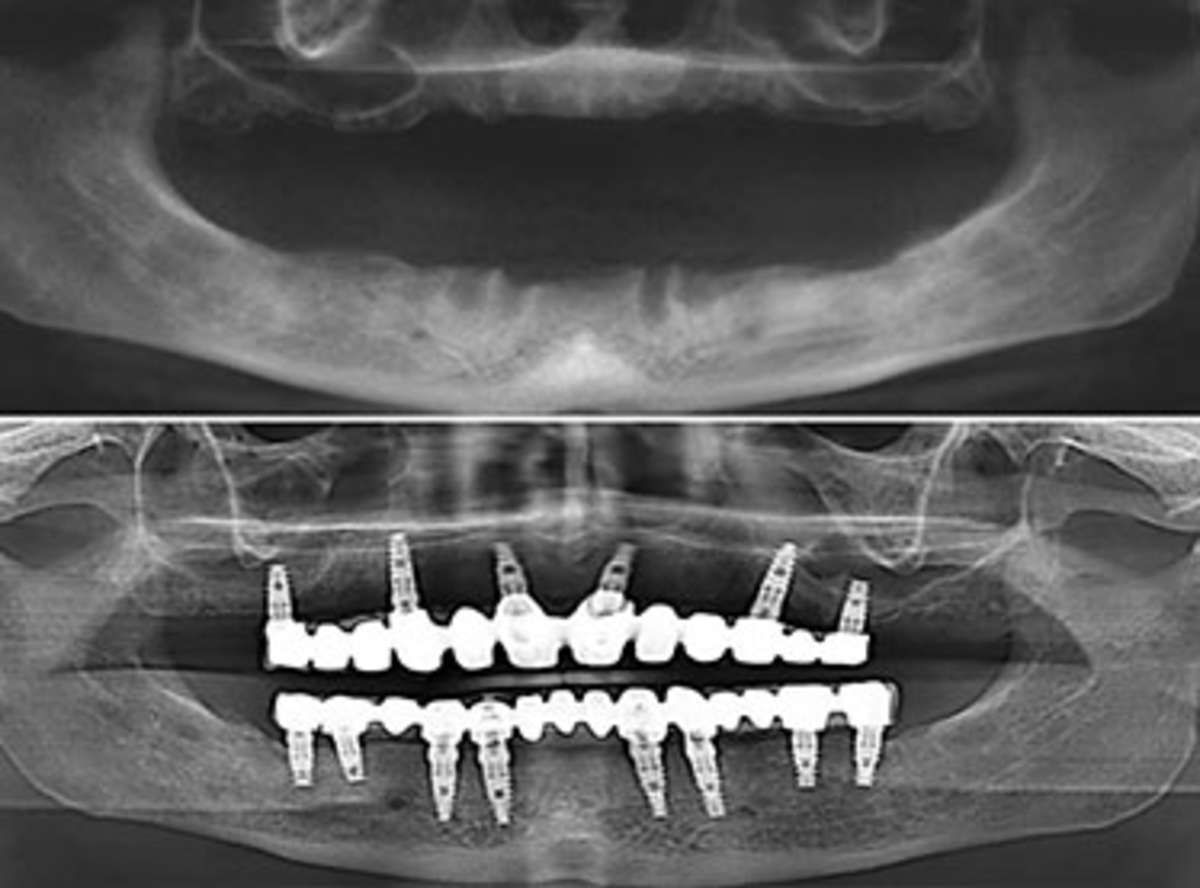
> The trip structure is identical to All-on-4: Day 1 arrival; Day 2 diagnostic workup (CBCT, scans, photographs, bloods); Day 3 six-fixture virtual plan, surgical guide printed; Day 4 surgery under IV sedation (extractions, six implants placed through guide, PMMA provisional where torque threshold met); Days 5–7 post-op reviews; Day 8 comprehensive check; Days 9–10 fly home. Month 4–6 return trip (5 nights) for definitive monolithic zirconia. One surgery session, one recovery window, not six.
The All-on-6 trip is the same 10-day structure as All-on-4. Surgery remains on Day 4. Six fixtures are placed in one session, not in six sessions. Recovery is one window. The only surgical difference is two additional fixture placements, adding approximately 45–60 minutes to total chair time.
Pre-Travel (4–8 weeks): Remote consultation with Ella Watson (Australasian patient liaison). Six-fixture virtual plan built from available CBCT or pre-trip NZ-CBCT if sent ahead. Financial paperwork in NZD. Flights from Auckland (AKL), Wellington (WLG), Christchurch (CHC), or Queenstown (ZQN) via Singapore Airlines, Air NZ codeshare, Qantas, Emirates, Qatar, or Etihad to Hyderabad (HYD).
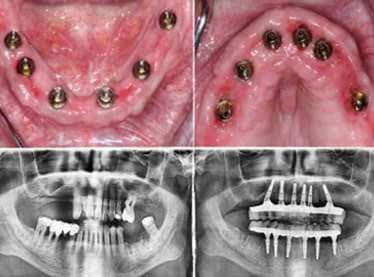
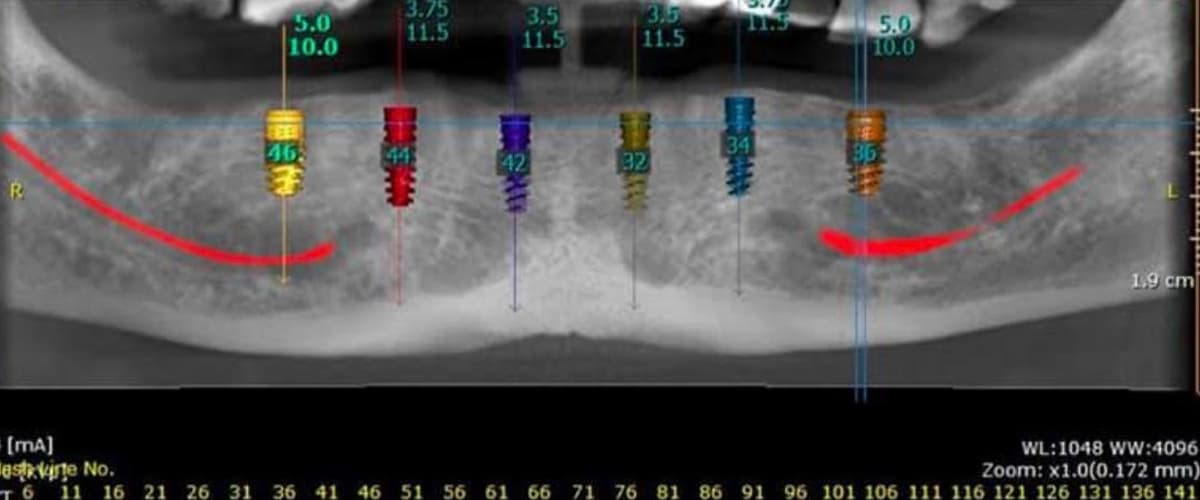
Day 4, Surgery: Six implants placed through printed guide. Two anterior (vertical), two mid-arch (vertical or slightly tilted), two posterior (25–30° distal tilt). Insertion torque verified fixture-by-fixture. PMMA provisional fitted where threshold met. Chair time approximately 5 hours.
Month 4–6, Visit 2 (5 nights): Provisional phase reviewed. Final digital impressions. Monolithic zirconia definitive fabricated in-house (3–4 days). Fitted and adjusted. Night-guard provided. Warranty documentation issued.
| Day | Activity |
|---|---|
| Day 1 | Arrive Hyderabad. Airport transfer. Hotel check-in. Rest. |
| Day 2 | CBCT, intraoral scan, photographs, bloods, anaesthetist consultation |
| Day 3 | Six-fixture virtual plan, surgical guide printed, patient approval |
| Day 4 | Surgery: extractions, six implants, torque verified, PMMA provisional (if threshold met) |
| Days 5–7 | Post-op reviews: swelling management, bite adjustment, diet guidance |
| Day 8 | Comprehensive review, photographs, discharge planning |
| Days 9–10 | Final check, fly home. Soft diet 12 weeks. |
| Month 4–6 (Visit 2, 5 nights) | Definitive monolithic zirconia prosthesis delivered |
Questions about this procedure?
Biomechanical Rationale
Why does six implants produce better outcomes for high bite-force patients?
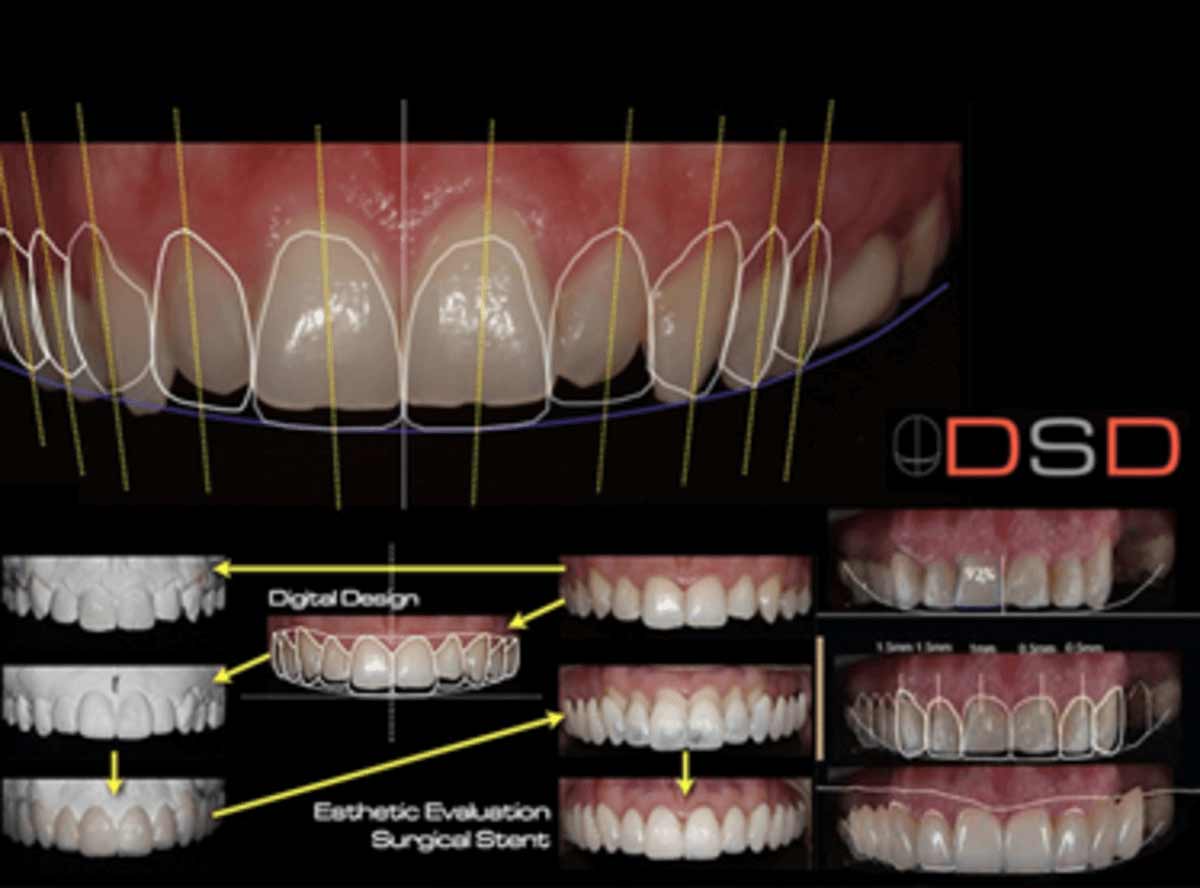
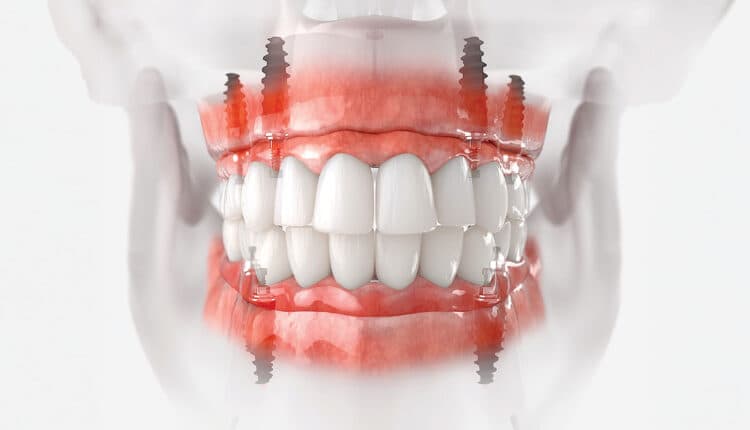
> The two additional fixtures in All-on-6 eliminate the distal cantilever present in All-on-4, extending the implant platform to the molar zone. Finite element analysis confirms peak stress on the most-loaded fixture is approximately 35% lower under identical occlusal load. For bruxism patients generating cyclic forces 5–10× higher than voluntary biting, this 35% reduction in peak stress translates directly to lower prosthetic fracture rates and lower screw-loosening frequency over a 10-year horizon.
Full-arch biomechanics in implant-supported prostheses are governed by the ratio of the occlusal force to the number of fixture attachment points and their spatial distribution. The more widely spaced the fixtures and the closer they are to the distal terminus of the prosthesis, the lower the cantilever lever-arm and the lower the stress at each fixture-bone interface.
At Stunning Dentistry, the bite-force and cantilever calculation is built into the coDiagnostiX virtual planning session for every All-on-6 patient. The plan specifies fixture positions, angulations, and the resulting peak-stress estimate at each fixture under the patient's documented or estimated maximum bite force. The decision between All-on-4 and All-on-6 is made against this calculation, not against a general protocol preference.
Ready to discuss your options?
Pain and Sedation
How painful is All-on-6 surgery?
> All-on-6 is performed under local anaesthesia with IV sedation available. Post-operative recovery is the same as All-on-4: mild-to-moderate swelling for 3–5 days, managed with paracetamol plus ibuprofen. Surgery is one session, not six. Chair time is approximately 5 hours versus 4 hours for All-on-4. Soft diet applies for 12 weeks post-surgery during the provisional phase.
All-on-6 surgery is performed in one session under local anaesthesia, with IV sedation (Midazolam + Propofol, monitored by an anaesthetist) available to all patients. Six fixture placements add approximately 45–60 minutes to total chair time versus All-on-4, but the patient's subjective experience under sedation is identical, the surgical complexity is the team's, not the patient's.
The one difference for All-on-6 patients: two additional surgical sites produce slightly higher total swelling volume at the 48-hour peak. Most patients report this as a clinical observation rather than a clinical problem; it resolves on the same timeline.
Curious about costs and timelines?
Risk Transparency
What are the risks of All-on-6?
8% of All-on-6 cases at Stunning Dentistry, slightly lower than All-on-4 due to reduced per-fixture immediate loading. Late failure (peri-implantitis at 12+ months) tracks the published 8% cumulative rate at 10 years. 5%; under uncontrolled bruxism even with six fixtures, up to 1%. All covered under Category A or B warranty depending on cause.
| Risk Event | Published Rate | SD Rate | Category | Management |
|---|---|---|---|---|
| Early implant failure (<3 months) | 2–4% | 1.8% | A, replacement at SD cost incl. re-trip | Removal and replacement after 3-month healing |
| Peri-implantitis (10-year cumulative) | ~8% | Monitored | B, conditional on maintenance adherence | Debridement; antimicrobial protocol |
| Zirconia fracture (normal function) | <0.5% | <0.5% | A | Replacement under warranty |
| Zirconia fracture (uncontrolled bruxism) | <1% (vs ~2% for All-on-4 in same pop.) | Monitored | B, conditional | Depends on maintenance record |
| Screw loosening | Expected maintenance event | Annual | Not a warranty trigger | Re-torque at annual review |
| Pink composite chipping | Expected 5–10 years | Within warranty | A within warranty window | Repair or replace |
Want a personalised treatment plan?
Claim Boundaries
What can All-on-6 realistically promise?
> For the three indicated populations, bruxism, natural opposing dentition, molar-to-molar span, All-on-6 delivers measurably lower mechanical complication rates than All-on-4 over a 10-year horizon. Published implant survival data for six-implant full-arch prostheses tracks at 95–97% at 10 years. No protocol produces a 100% guarantee, individual outcomes depend on bone quality, systemic health, maintenance adherence, and night-guard compliance.
The clinical claim for All-on-6 is specific to the indicated population, not general. For a non-bruxer without natural opposing dentition, All-on-6 does not produce better outcomes than All-on-4, the additional implants do not improve outcomes that were already within tolerance. The appropriate claim is: for the three indications, All-on-6 reduces the probability of mechanical complication events that would otherwise accumulate at higher frequency over the second decade of function.
Questions about this procedure?
Clinical Success Determinants
What determines All-on-6 long-term success?
> The same five determinants as All-on-4: primary stability (≥35 Ncm per fixture), surgical guide accuracy, smoking cessation, maintenance adherence (annual review, 6-monthly hygiene, nightly night-guard), and systemic health control. For All-on-6 patients, who are by indication high bite-force profiles, night-guard compliance is the most critical post-delivery variable.
| Determinant | Target | Why Critical for All-on-6 Patients |
|---|---|---|
| Primary stability (6 fixtures) | ≥35 Ncm per fixture | Lower immediate load per fixture, more forgiving than All-on-4, but threshold still applies |
| Night-guard use | Every night from provisional delivery | All-on-6 patients are bruxism or high bite-force profiles by indication, night-guard is non-optional |
| Smoking cessation | Complete perioperatively; permanent preferred | Late failure rate doubles in active smokers across all implant modalities |
| Maintenance adherence | Annual review + 6-monthly hygiene | Peri-implantitis probability doubles in non-maintained cohorts at 5 years |
| Systemic health | HbA1c <8.0% | Osseointegration failure risk increases above this threshold |
Ready to discuss your options?
Healing Timeline
How long does All-on-6 take to heal?
> Osseointegration over 3–6 months, concurrent with the provisional phase. Definitive zirconia delivered at month 4–6 on the return visit. Post-surgical swelling resolves in 5–7 days. Soft diet for 12 weeks. Annual screw re-torque from year 1. Same timeline as All-on-4.
| Timepoint | What Is Happening |
|---|---|
| Day 4 (surgery) | Six implants placed; PMMA provisional fitted where ≥35 Ncm |
| Days 5–12 | Swelling resolves; soft diet begins; osseointegration initiates |
| Weeks 1–12 | Soft diet; bi-weekly Zoom check-ins; NZ hygienist visit at month 3 |
| Month 4–6 | Return to India (5 nights); definitive monolithic zirconia delivered |
| Month 12 | Annual review; screw re-torque; radiographic bone-level check |
| Year 5 | Full CBCT bone-level audit |
| Year 10 | Prosthesis renewal review under warranty if applicable |
Curious about costs and timelines?
Retreatment and Alternative Options
What are the alternatives to All-on-6?
> All-on-4: appropriate for most full-arch patients who do not have bruxism, natural opposing dentition, or molar-to-molar requirements, lower cost, equivalent outcomes in the non-indicated population. Zygomatic implants: for severe posterior maxillary atrophy where All-on-6 standard fixtures cannot be placed. Hybrid FMR: for partially salvageable dentitions. Implant overdenture: lower cost, removable, implant-retained, lower function and quality of life.
All-on-6 retreatment follows the same protocols as All-on-4: failed primary implant replaced after 3-month healing (1.8% rate, Category A warranty); peri-implantitis managed with debridement and, where implant loss occurs, replacement (Category B, conditional on maintenance record); zirconia fracture repaired or replaced under warranty (<1% in bruxism patients, <0.5% under normal load).
Want a personalised treatment plan?
Cost Logic, NZD Out-of-Pocket Reality
What is the total NZD cost of All-on-6 at Stunning Dentistry including travel from New Zealand?
> Both arches: NZD 35,000–48,500 clinical fee + NZD 1,300–2,200 return economy flights + NZD 700–1,200 hotel (10 nights) + visa (~NZD $40) + insurance = approximately NZD 37,000–52,000 total. The equivalent NZ private specialist quote is NZD 82,000–118,000 (clinical fee only). Net saving after all travel costs: NZD 45,000–66,000.
All-on-6 Both Arches, Total NZD Out-of-Pocket
| Line Item | NZD Range | Notes |
|---|---|---|
| Clinical fee at Stunning Dentistry (both arches) | 35,000–48,500 | All-inclusive: CBCT, guide, surgery, sedation, PMMA provisional, zirconia definitive, post-op, 12-month follow-up |
| Return economy flights (AKL/WLG/CHC ↔ HYD) | 1,300–2,200 | Via Singapore, Kuala Lumpur, Sydney, Dubai, or Doha |
| Hotel (10 nights, 4-star) | 700–1,200 | Partner rate; airport transfers included |
| India e-Medical Visa | ~40 | Online, 1–3 working days |
| Travel insurance | 200–450 | Confirm international medical coverage |
| **Total NZ out-of-pocket (both arches)** | **~NZD 37,240–52,390** | All-inclusive |
| NZ private specialist quote (both arches) | 82,000–118,000 | Clinical fee only |
| **Net saving** | **~NZD 44,610–65,610** | After all travel costs |
Questions about this procedure?
Comparison Matrix
How does All-on-6 compare to All-on-4 and other full-arch options?
> All-on-6 produces equivalent outcomes to All-on-4 in non-bruxers and measurably better outcomes in bruxism/high-bite-force patients. The premium is NZD 7,000–11,500 at Stunning Dentistry for both arches. For the three indicated profiles, the biomechanical improvement justifies the additional cost. For non-indicated patients, All-on-4 is the better-evidence and lower-cost choice.
| Option | 10-Year Survival | Cantilever | Bruxism Performance | SD Cost (NZD, both arches incl. travel) |
|---|---|---|---|---|
| All-on-6 | 95–97% implant | None (posterior fixture at molar) | Fracture <1% | ~37,000–52,000 |
| All-on-4 | 94.6% implant | Present (2nd premolar terminus) | Fracture up to 2% in bruxism | ~30,000–40,000 |
| Zygomatic (severe atrophy) | 90–95% at 10 years | None | Suitable if indicated | ~35,000–47,000 |
| Implant overdenture | 95% implant | N/A (removable) | Lower function | ~18,000–26,000 |
| Complete denture | N/A | N/A | Lowest function | ~2,000–5,000 |
Ready to discuss your options?
Post-Treatment Biological Reality
What happens biologically after All-on-6 is complete?
> Six-fixture osseointegration follows the same biological arc as All-on-4: bone-implant contact accrues from ~25% at placement to >70% at 3 months. Marginal bone remodelling continues for 12 months. 3 mm (within the Albrektsson threshold) across the published tilted/axial literature. For All-on-6 patients (bruxism profiles), nightly night-guard use is the most important post-delivery variable for long-term prosthetic survival.
The six-implant biological environment post-delivery differs from All-on-4 in one important respect: with the posterior fixtures at the molar position, the marginal bone around each fixture is under lower cyclic stress than in All-on-4. Lower cyclic stress means the marginal bone remodelling at year 1–5 is slightly more conservative, translating to better long-term marginal bone levels in the bruxism population specifically.
At Stunning Dentistry, the post-delivery maintenance contract for All-on-6 patients includes an explicit night-guard renewal prompt at the 5-year annual review. Night-guards wear through the occlusal material over 5–7 years of nightly use; a worn night-guard provides no protection and should be replaced. The cost of a replacement night-guard at a NZ dentist (NZD 400–800) is the lowest-cost maintenance item in the 10-year care calendar and the one with the highest impact on prosthetic longevity.
Curious about costs and timelines?
Common Mistakes
What are the most common All-on-6 mistakes?
> Three common mistakes: choosing All-on-6 when All-on-4 is clinically adequate (unnecessary cost and surgical trauma); not wearing the night-guard nightly (the primary post-delivery risk for the high-force profiles that All-on-6 is designed for); and treating the definitive delivery as the end of the clinical relationship (the 10-year maintenance calendar is the second half of the treatment).
The most common patient-side mistake specific to All-on-6 is night-guard non-compliance. All-on-6 was recommended because the patient is a bruxism or high-force profile. That profile generates forces that, even across six fixtures, will eventually exceed material tolerances if delivered without cushioning every night. The night-guard is not optional for this population, it is the prosthetic protection that makes the long-term survival data achievable.
Want a personalised treatment plan?
Myth Deconstruction
What are the most common All-on-6 myths?
> Myth 1: All-on-6 is always better than All-on-4. False, it is better for three specific indications and equivalent or unnecessary for others. Myth 2: Six implants means six surgeries. False, all six are placed in one session. Myth 3: All-on-6 makes bruxism irrelevant. False, night-guard use remains essential; six implants reduce, not eliminate, the mechanical impact of nocturnal parafunction.
All-on-6 is universally superior to All-on-4.**
All-on-6 produces better mechanical outcomes for three specific clinical profiles. For patients who do not have bruxism, natural opposing dentition, or molar-to-molar requirements, All-on-6 does not improve on All-on-4's well-documented outcomes. The best-evidence full-arch protocol for the majority of patients is All-on-4. All-on-6 is indicated for a subset.
Six implants means six separate surgeries and six recovery windows.**
All six fixtures are placed in a single surgical session under IV sedation. One surgery, one recovery, one set of post-operative reviews. The total chair time is approximately 5 hours versus 4 hours for All-on-4.
Once you have All-on-6, bruxism no longer matters.**
All-on-6 reduces the mechanical impact of bruxism on the prosthesis, it does not eliminate it. Nightly night-guard use is still required for all All-on-6 patients with a bruxism indication. The night-guard is the insurance policy that makes the 10-year survival data achievable. Without it, the additional cost of All-on-6 over All-on-4 is poorly allocated, the extra fixtures absorb less stress than they should because the uncushioned bruxism forces still exceed the design envelope.
Questions about this procedure?
People Also Ask
Is All-on-6 safer than All-on-4?
Only where the dental loss is demonstrably caused by a covered accident. Natural wear, periodontal disease, and caries-driven loss are not accident-related and are not ACC-funded.
Ready to discuss your options?
Ask Your Doctor
1. Which of the three All-on-6 indications applies to my case, and can you show me the CBCT and bite-force evidence?
2. Are all six fixtures guided (printed surgical guide from CBCT plan) or freehand?
3. What implant brand and system will you use, Straumann SLActive, Nobel Biocare NobelActive?
4. What is the written warranty on the implants, the PMMA provisional, and the zirconia definitive?
5. What is the post-operative protocol for return flight home after six-fixture surgery?
6. How will I be followed up in New Zealand, who, at what intervals, and what is the escalation path for a prosthetic concern?
7. What is the night-guard protocol, when do I start, what coverage, when do I renew?
8. What happens if one implant fails to integrate, cost, re-trip, timeline?
9. How does All-on-6 compare to All-on-4 for my specific bone volume and bite-force profile?
10. Can my New Zealand dentist maintain the All-on-6 prosthesis after I return?
Curious about costs and timelines?
Want a personalised treatment plan?
Book a Consultation
If you have been quoted All-on-4 or All-on-6 in New Zealand and want to know which is appropriate for your bone volume and bite-force profile, request a remote CBCT review.
Diagnosis precedes decision.
Questions about this procedure?

Ready to discuss your options?
Specialist-only treatment planning
- Remote file review before travel
- Evidence-led treatment checkpoints
No waiting list for eligible cases
- Remote file review before travel
- Evidence-led treatment checkpoints
Trip coordinated with care timeline
- Remote file review before travel
- Evidence-led treatment checkpoints
Our Partners











Why Us
Frequently Asked Questions
Will I leave India with fixed teeth after All-on-6?
Yes, in most cases, where all six fixtures meet the torque threshold at surgery. The 35 Ncm gate applies to each fixture. If any fixture falls below threshold, that fixture receives a healing abutment and the provisional is delayed to month 4.
Can I eat normally with All-on-6?
After the definitive zirconia is delivered (month 4–6), yes, with the standard long-term precautions for any fixed prosthesis: no ice, no bones, no using teeth as tools, and nightly night-guard use for bruxism patients.
Is All-on-6 from India recognised by New Zealand dentists?
Yes. Straumann and Nobel Biocare platforms are fully recognised and serviceable by every New Zealand implantologist. Clinical records, CBCT, STL scan, operative notes, component specifications, are transferred to the patient's NZ dentist with consent.
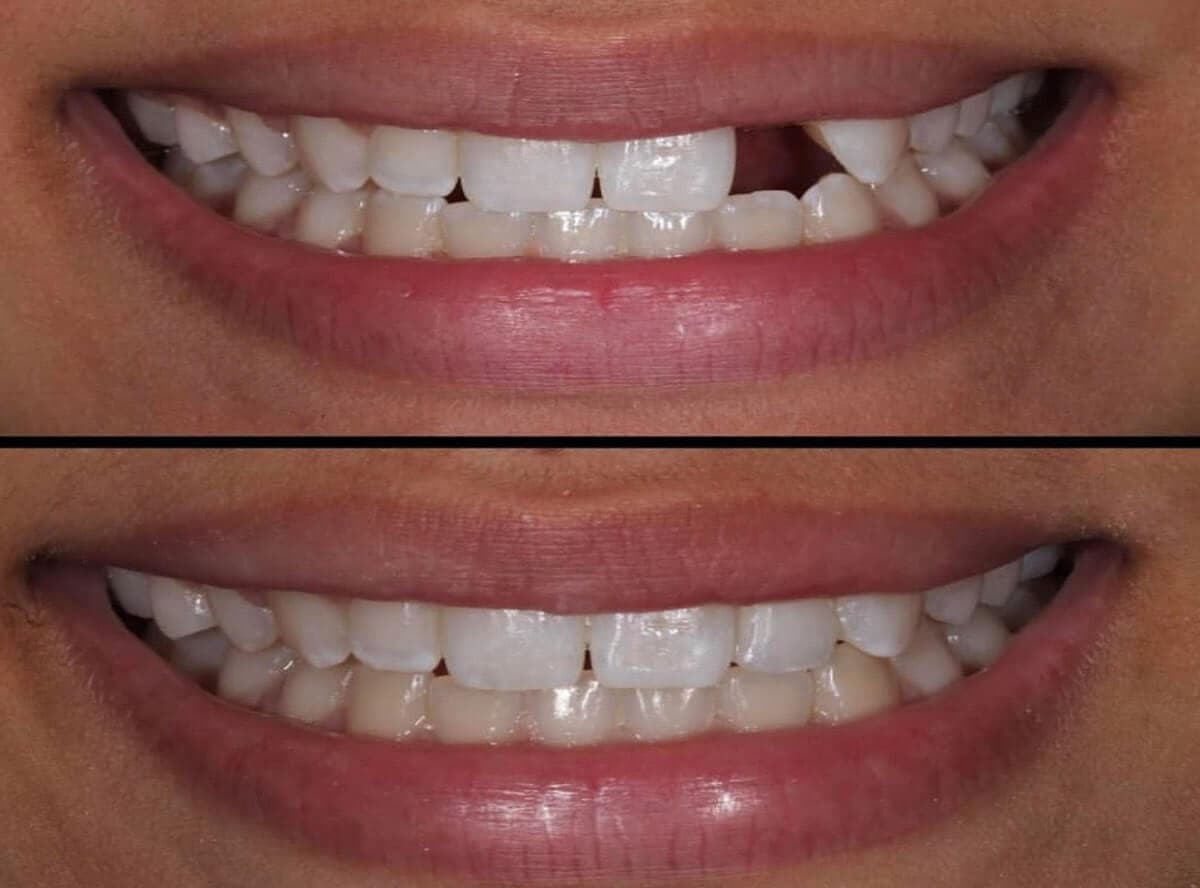
See your new smile instantly!
This tool will help you understand potential structural and aesthetic changes before finalizing treatment decisions.