NZ Patient Treatment Timeline, From First Enquiry to 12-Month Review
- Phase 3: First India Visit (10–18 Nights)









How Are the Six Phases Structured?
International dental treatment is a journey that unfolds over 6–18 months, not a transaction that occurs on one day. Most NZ patients find the clinical work easier than expected and the timeline harder than expected, the months of anticipation, the fortnight in India, the long healing interval at home, and the wait for the final restoration all require a kind of patient discipline different from routine dental care.
| Phase | Duration | What Is Happening |
|---|---|---|
| 1. Enquiry to booking | 4–8 weeks | Quote, video consultation, decision, deposit |
| 2. Booking to travel | 8 weeks | Visa, flights, hotels, pre-travel dental prep |
| 3. First India visit | 10–18 nights | Surgery + immediate-load provisional |
| 4. Integration interval | 16–28 weeks | Healing at home; coordinator check-ins; NZ GDP reviews |
| 5. Second India visit | 10–14 nights | Final restoration seat; records pack; discharge |
| 6. Post-final review | 12 months | 7-day, 1-month, 3-month, 6-month, 12-month check-ins |
Questions about this procedure?
Phase 1, What Happens Between First Contact and Booking?
Week 1: Your enquiry is triaged by a senior coordinator within 4 NZ business hours. A 15–30 minute first conversation follows within 24 hours, no cost, no pressure, no obligation. If the pathway appears suitable, the coordinator requests existing records: panoramic OPG (or advice on getting one for NZD 95–145 from your NZ GDP), CBCT if available, intraoral photographs, brief dental history.
Week 2: Clinical team reviews your records. The treating clinician prepares an indicative treatment plan, named, with qualifications and case-volume data documented.
Week 3: Written indicative quote issued: line-item scope, component specifications, visit duration, all-in clinical fee in NZD, what is and is not included, payment schedule, named clinical lead, expected treatment dates. Your coordinator walks through it in a 30–45 minute scheduled call. All questions answered in writing.
Week 4: Decision week. Most NZ patients take 1–4 weeks between quote receipt and signing. If ready to proceed: 10% deposit confirms your treatment dates. Welcome pack and medical invitation letter for visa application follow within 24–48 hours.
Ready to discuss your options?
Phase 2, What Needs to Happen Before You Fly?
Weeks 5–8: Medical invitation letter issued; hotel booked at block rate; visa application reviewed before you pay the fee (catches the photo and name issues that cause most rejections); flights booked (by us at cost, no mark-up, or by you directly); travel insurance with dental complication cover confirmed.
Weeks 9–11: Visa grant received (3–5 business days after filing). NZ GDP informed of treatment dates. Pre-travel medications reviewed. Any NZ pre-travel dental work (extractions, hygiene, restorations of compromised teeth) coordinated with your GDP.
Week 12, Departure Week: Final pre-travel checklist with coordinator 48 hours before flight. Driver's name, photograph, and mobile number sent 72 hours before departure. Confirmation of hotel pre-registration and day-one clinic appointment.
Curious about costs and timelines?
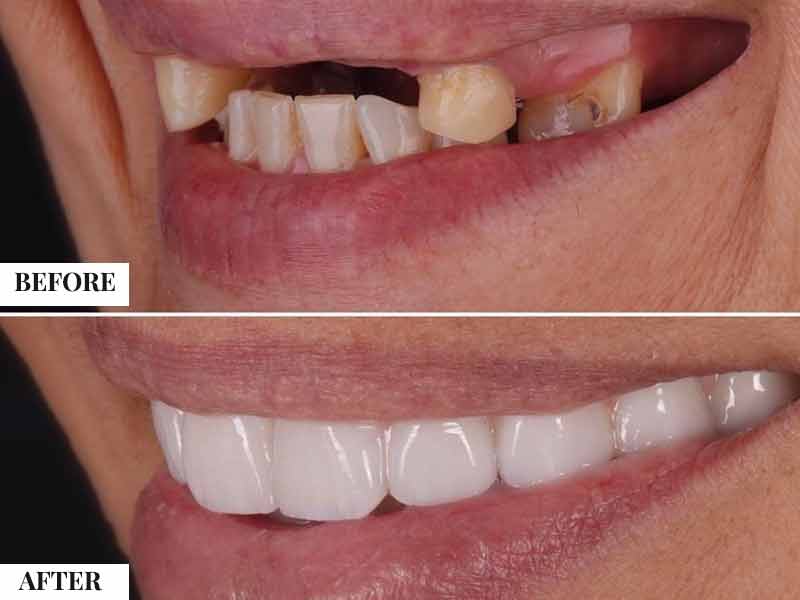
Phase 3, What Happens During the First India Visit?
Day 1, Arrival: Early morning arrival (typically 02:00–06:00 IST from NZ routings). Airport transfer to hotel (35–50 minutes). Rest first 6–10 hours. Coordinator in-person welcome at hotel afternoon. Brief check-in and week's schedule walk-through.
Day 2, Consultation and Diagnostics: Pre-surgical consultation with treating clinician (60–90 minutes). CBCT if not completed in NZ. Intraoral scanning. Final treatment plan confirmed in writing. Consent signed.
Day 3, Surgical Day: Early transfer to clinic. Anaesthesia and sedation prep. Surgery:
- Single-arch All-on-4: 2–3 hours
- Dual-arch All-on-4/6: 4–5 hours
- Zygomatic case: 5–7 hours
Post-operative observation at clinic (2–4 hours). Transfer to hotel. Soft-food Tier A (liquid and blended). Coordinator in-person evening check-in.
Days 4–7, Surgical Recovery: Swelling peaks at 48–72 hours. Day 4 morning clinic visit for post-op check. Day 7: suture and tissue check; provisional occlusion reviewed; minor adjustments. Transition to Tier B soft food.
Days 8–13, Activity Re-introduction and Discharge Prep: Gentle activity permitted from day 8. Transition to Tier C soft food. Second major clinic visit for tissue check and occlusal refinement. Discharge briefing day 13: written aftercare instructions, medication summary, interval expectations, warning signs requiring contact.
Day 14, Departure: Final brief clinic review. Check-out. Transfer to airport.
Want a personalised treatment plan?
Phase 4, What Is the Integration Interval Like?
What do NZ patients find hardest about the interval between visits?
> The wait is psychologically harder than the clinical work. Four to six months with provisional teeth feels longer in the lived experience than it reads on a calendar. We have moved to fortnightly coordinator contact for the final 8 weeks of the interval specifically in response to patient feedback.
For two-visit cases the integration interval runs 4–6 months. This is the phase where the body does the biological work of osseointegrating the implants, a process that cannot be accelerated.
Weeks 2–6 post-return: First post-return NZ GDP appointment within 3–4 weeks. First coordinator video check-in at 2 weeks. Soft-food diet gradually relaxing over 4–6 weeks. Return to normal work by weeks 3–5 depending on job demands.
Weeks 6–14: Monthly coordinator video check-ins. NZ GDP hygiene appointment at 3-month mark. Panoramic radiograph at 6-month mark (we fund this radiograph under our standard care package if your GDP bills us directly).
Weeks 14–28: Coordinator check-ins at 4-week intervals. Second-visit scheduling confirmed, typically around 5–6 months post-first-visit. Pre-visit-two checklist issued 8 weeks before travel.
Three things patients find unexpectedly hard:
1. The temptation to bite on hard food by month 3, the provisional feels stable, but one ill-advised bite can crack it and complicate integration.
2. Minor issues feeling major, small occlusal adjustments, transient sensitivity, and tissue tenderness are normal but feel alarming without the treating clinician in person. Video review resolves most concerns within 24–48 hours.
3. The minor issues feeling major (the inverse), some patients assume everything is fine because nothing is dramatically wrong. Attend your scheduled NZ GDP reviews even when everything feels comfortable.
Questions about this procedure?
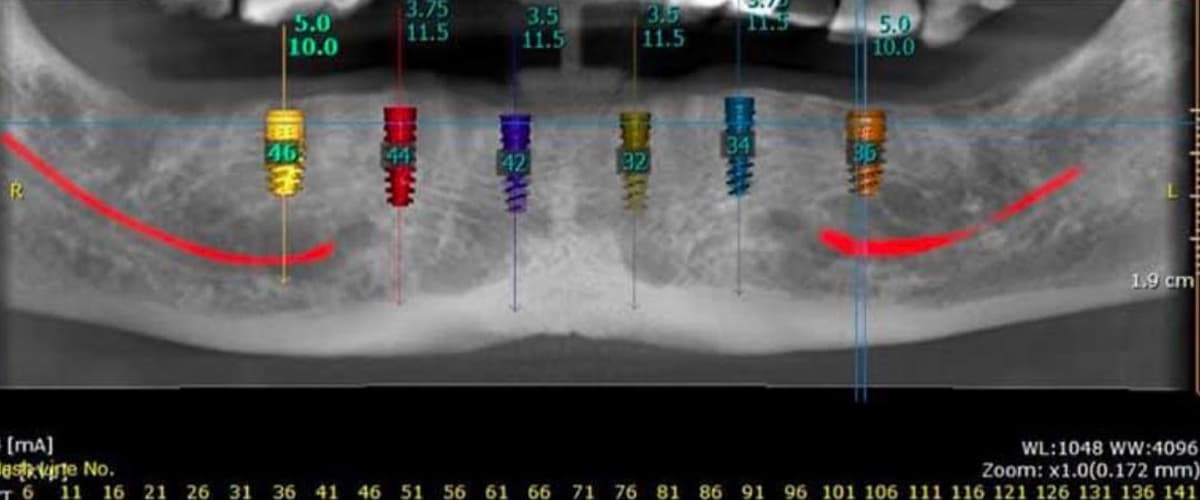
Phase 5, What Happens on the Second India Visit?
The second visit is typically shorter, less surgical, and more prosthetic than the first.
Day 2, Assessment: Provisional bridge removal and examination. Periapical radiographs of each implant. Confirmation of successful integration (we do not proceed to finals if integration is in doubt, clinically non-negotiable). Final digital impressions and shade selection.
Days 3–5, Lab Fabrication: The zirconia bridge is fabricated over 3–4 working days. These are rest days for the patient, low clinical demand, high anticipation.
Day 6, Try-In: Final bridge tried in without final cementation. Fit, aesthetics, occlusion, and phonetics assessed. Lab adjusts if needed in 24–48 hours.
Days 7–8, Bridge Seat: Final seating with definitive cementation or screw-retention. Immediate occlusal refinement. The bite takes 24–48 hours to settle and phonetics normalise faster than patients expect.
Days 9–11, Settling and Refinement: Clinic visits for bite refinement. Tier C soft food continuing; transition to normal diet by days 12–13. Final photographs, panoramic radiograph, records pack prepared.
Days 12–14, Discharge and Departure: Records pack handover. Final coordinator meeting. Departure.
Ready to discuss your options?
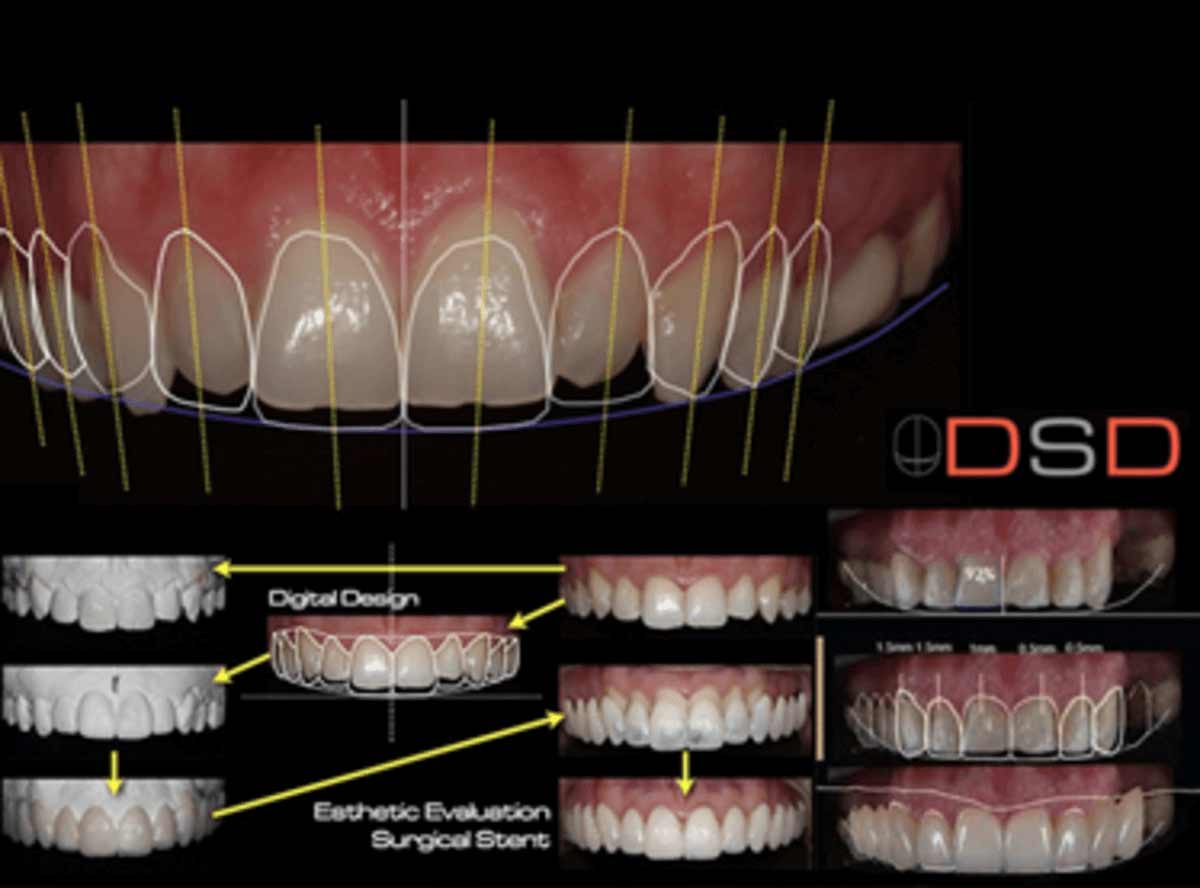
Phase 6, What Happens After You Return to New Zealand?
Scheduled coordinator check-in at day 7 post-return, then at 1, 3, 6, and 12 months. NZ GDP examination and hygiene at 3-month cadence during year one. Panoramic radiograph at 6 and 12 months.
At the 12-month mark, active case status closes. Warranty remains in force, lifetime on implants, 15 years on monolithic zirconia per the warranty page. Stunning Dentistry remains available for future concerns, warranty claims, or revision work indefinitely.
Curious about costs and timelines?
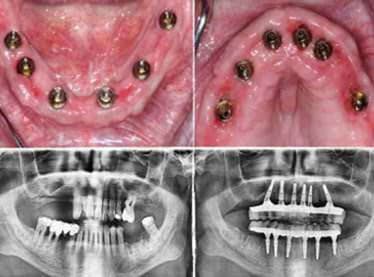
Variations by Case Type
| Case Type | Total Visits | Time Away from NZ | Total Elapsed from Enquiry |
|---|---|---|---|
| Dual-arch FMR (All-on-4 or All-on-6) | Two visits | 24–32 nights | 18–24 months |
| Single-arch All-on-4 (one-visit protocol) | One visit | 12–14 nights | 14–16 months |
| Zygomatic four-implant | Two visits | 28–32 nights | 18–22 months |
| Single implant + crown | Two visits | 10–14 nights total | 10–12 months |
| Eight veneers (cosmetic) | One visit | 9 nights | 4–6 months |
| Complex multi-phase reconstruction | 3+ visits | 30+ nights | 20–26 months |
Want a personalised treatment plan?
What Do Patients Find Harder Than Expected?
1. The integration interval. Four to six months of provisional teeth feels longer than it reads. Prepare mentally for this to be the hardest psychological phase.
2. The first week post-surgery. Swelling, dietary restriction, sleeping with head elevated, and the strangeness of a mouth full of new hardware, physically demanding even when clinically uncomplicated.
3. Travel logistics on the first visit. For patients who have not undertaken long-haul international travel recently, the 15–24 hour flight time and time-zone adjustment stack on top of surgical recovery in the first three days at the hotel.
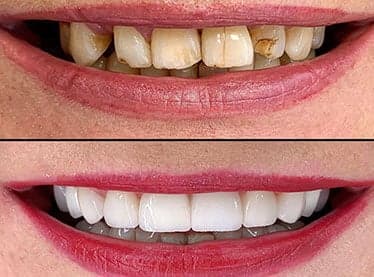
4. The emotional weight of the final reveal. Seeing your new smile at the bridge seat is a significant emotional moment. Many patients cry. Some find the new aesthetics take several weeks to feel like "them." Both reactions are normal.
5. Returning to NZ with provisional teeth. Between visits, some patients find friends and colleagues comment on the teeth in ways that are sometimes supportive, sometimes awkward. Prepare your one-sentence explanation before you travel.
*For NZ Patients Hub | Patient Stories | Patient Coordinator | Ella Watson | May 2026*
Questions about this procedure?
Specialist-only treatment planning
- Remote file review before travel
- Evidence-led treatment checkpoints
No waiting list for eligible cases
- Remote file review before travel
- Evidence-led treatment checkpoints
Trip coordinated with care timeline
- Remote file review before travel
- Evidence-led treatment checkpoints
Our Partners











Why Us
See your new smile instantly!
This tool will help you understand potential structural and aesthetic changes before finalizing treatment decisions.