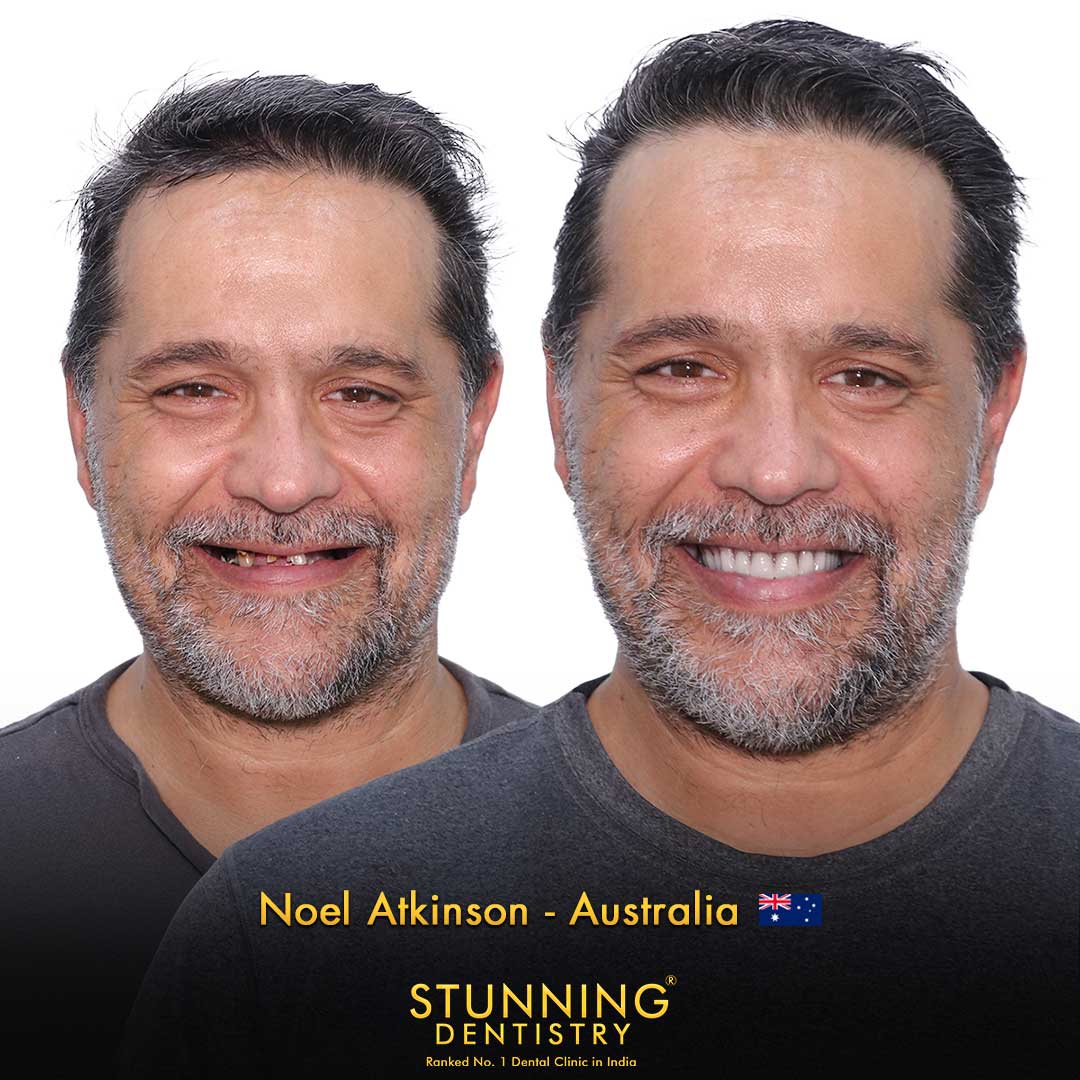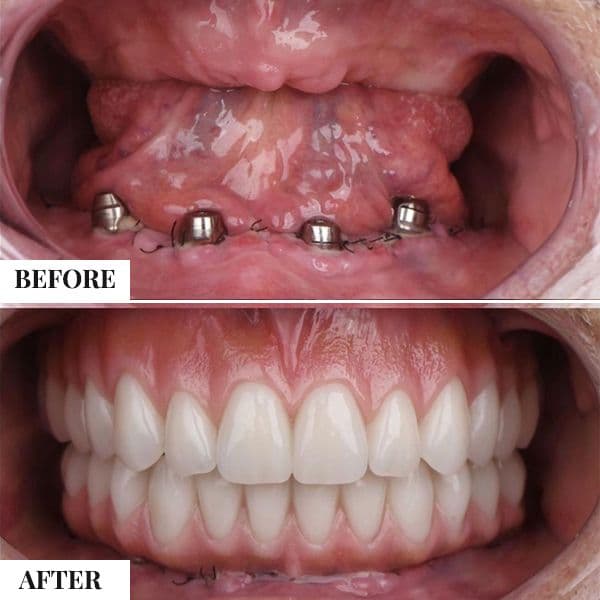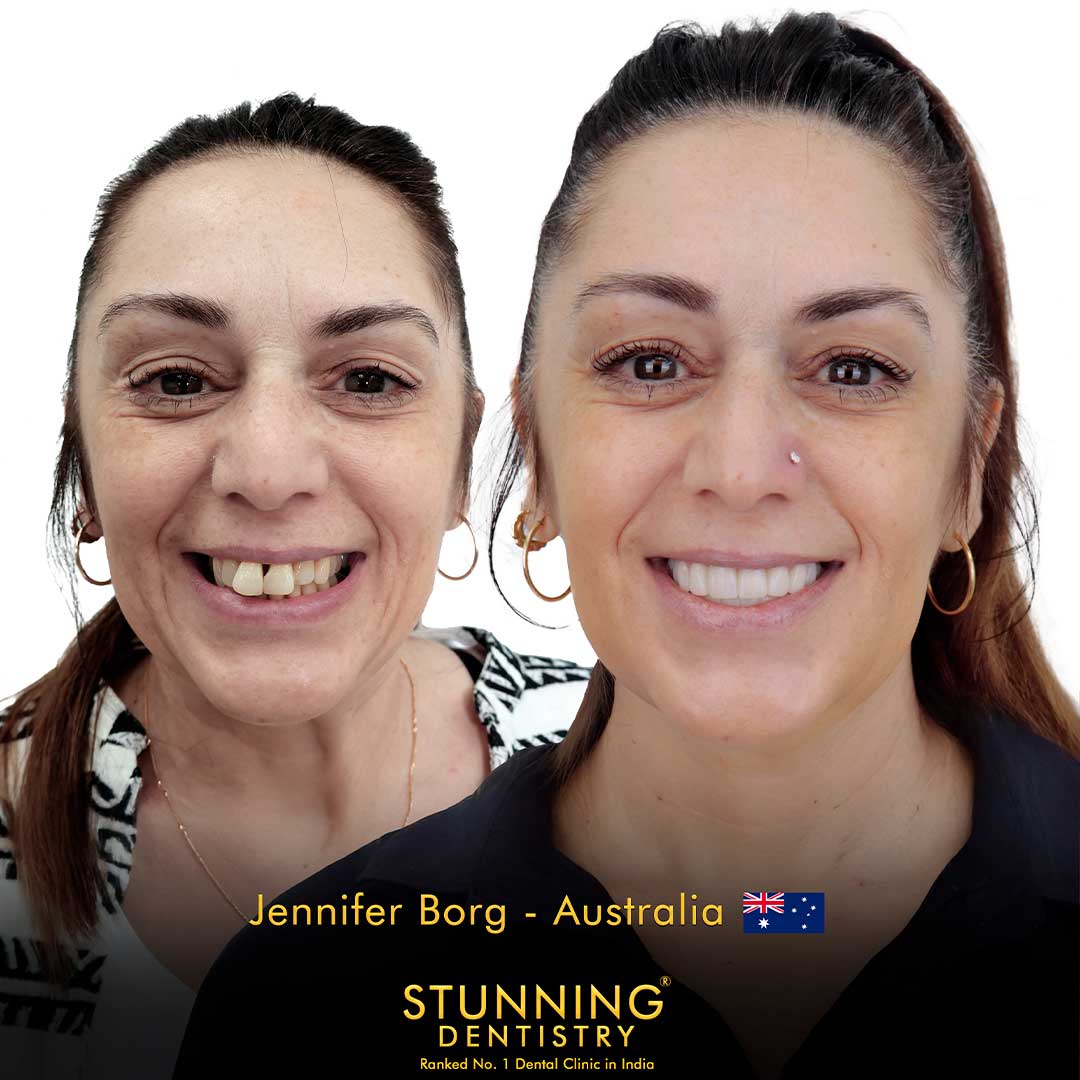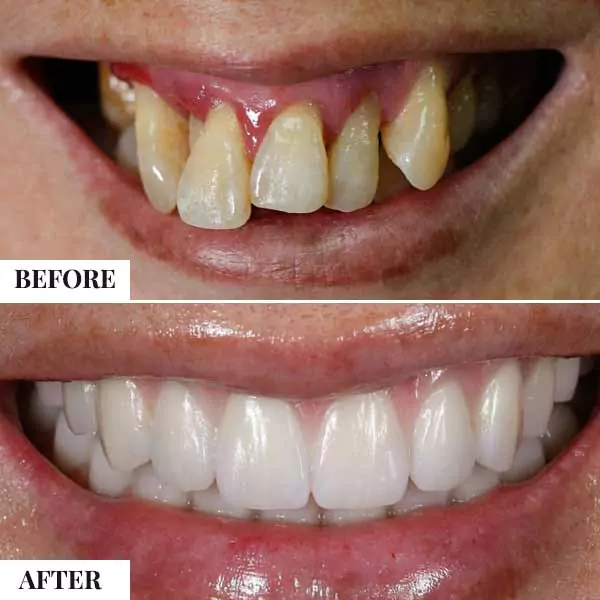
Lifetime Warranty, What Is and Is Not Covered, Honestly
- How Our Warranty Compares to NZ Private Clinics









What Are the Warranty Periods?
Clock starts: the date of final restoration seat, not the date of implant placement. For two-visit cases, the warranty clock starts on your second visit, when the final restoration is placed.
| Component | Warranty Period | Coverage Basis |
|---|---|---|
| Implant body (Straumann, Nobel Biocare) | **Lifetime** | Manufacturer + SD practice-level cover stacked |
| Monolithic zirconia bridge/crown | **15 years** | Fracture, chipping, wear-through, debonding |
| Layered zirconia | **10 years** | Framework same as monolithic; layered porcelain 10 years |
| Lithium disilicate (e.max) | **10 years** | Fracture, debonding |
| Custom zirconia abutments | **15 years** | Fracture |
| Titanium abutments | **Lifetime** | Manufacturer cover |
| PMMA provisional restorations | **1 year** | As a provisional; not intended for permanent use |
| Screw-retained framework (milled titanium or zirconia) | **15 years** | Fracture or distortion |
Questions about this procedure?
What Failures Does the Warranty Cover?
Implant-level coverage:
- Implant body fracture (essentially never occurs with modern Straumann/Nobel Biocare titanium)
- Implant body loss due to failure to osseointegrate
- Implant body loss due to peri-implantitis within the warranty period, subject to maintenance compliance
- Replacement implant of equivalent specification at no clinical charge
Prosthetic-level coverage:
- Zirconia bridge fracture (except direct trauma, see exclusions)
- Bridge debonding from abutment or chronic screw loosening indicating a design issue
- Layered porcelain chipping or delamination beyond normal wear
- e.max veneer fracture or chip
- Framework distortion
- Replacement of failed component with equivalent specification
Integration failure coverage:
For any implant placed by us that fails to osseointegrate within the first 6 months post-placement, we replace at no clinical charge. For multi-implant bridge cases where a single implant fails, replacement typically does not require refabricating the full bridge.
Ready to discuss your options?
What Does the Warranty NOT Cover?
This section matters more than the section above.
Damage from trauma or misuse:
- Bridge or crown fracture from direct trauma (accidents, sports injuries, falls, dropped objects)
- Damage from biting hard or inappropriate objects (ice, hard sweets, pen caps, bones, pistachio shells)
- Damage from chronic bruxism where the patient has declined or failed to wear a prescribed nightguard
- Damage from tongue or lip piercings impacting prosthetic surfaces
Damage from failure to maintain:
- Peri-implantitis progression where the patient has not attended recommended hygiene reviews (3-monthly for first 12 months; 6-monthly thereafter)
- Peri-implantitis where the patient has not maintained recommended home oral hygiene
- Soft-tissue disease progression documented pre-treatment and not subsequently managed
- Implant loss attributable to ongoing smoking where the patient was counselled pre-treatment
Damage from unauthorised third-party modification:
- Bridge modification by a third-party dentist without our clinical consent
- Implant-borne prosthetics modified by a lab outside our network without oversight
- Third-party attempts to repair fractured zirconia (zirconia is not field-repairable; repair attempts generally make the original warranty unenforceable)
Documentation failures:
- Claims where the patient cannot produce warranty registration documentation
- Claims where the patient cannot produce evidence of attendance at recommended hygiene intervals
- Claims where the failure mode cannot be assessed because the bridge was extracted before our clinical examination
Undisclosed pre-existing conditions:
- Failure related to systemic conditions not disclosed at treatment planning: uncontrolled diabetes, active osteoporosis on bisphosphonate therapy, prior radiation therapy to the jaw, certain autoimmune conditions
- Failure related to medications not disclosed: long-term oral bisphosphonates, certain immunosuppressants
Not a warranty matter:
- Discontent with aesthetic outcome where the outcome matches the digitally-approved mock-up and signed consent
- Requests for shape, shade, or proportion changes outside the agreed design parameters
- Additional scope beyond the original treatment plan
Curious about costs and timelines?

What Three Conditions Must Be Met for Warranty Coverage?
Condition 1, Maintenance compliance.
You must attend hygiene and examination appointments at the cadence in your handover pack:
- Month 1 and Month 3 post-restoration: dental examination at NZ GDP
- Month 6: examination + hygiene + panoramic radiograph
- Month 12: examination + hygiene + panoramic radiograph
- Annually thereafter: examination + hygiene + radiograph
Missing one appointment: we work with you. Missing a pattern of more than two consecutive reviews in the first two years: warranty claims may be contested where the failure is reasonably attributable to lack of maintenance.
Condition 2, No unauthorised modification.
If your NZ GDP needs to modify your prosthetic (common reason: occlusal adjustment due to change in opposing dentition), contact us first. For minor adjustments by your GDP, we confirm it is appropriate and document it. For substantial modifications, we may suggest a video review first, or return to India at our cost (warranty-covered) or yours (outside warranty scope). This process is not bureaucratic, it is protective of the biomechanical integrity of your bridge design.
Condition 3, Documentation.
Keep the records pack we provide. Keep your NZ GDP records of hygiene appointments. Keep photographs of any concern before intervention. Documentation makes a claim reconstructable.
Want a personalised treatment plan?
How Does the Claims Process Work?
Step 1, Contact your coordinator. Phone or email. Describe the issue. Provide photographs where possible (phone camera is useful). Acute pain or infection: clinical response is prioritised; warranty paperwork follows.
Step 2, Clinical review. Your coordinator convenes a video or in-person review with the treating clinician. For in-person review, we coordinate with your NZ GDP. The review determines: warranty case, maintenance case, or outside warranty scope.
Step 3, Written determination. Within 5 NZ business days of clinical review:
Step 4, Remediation. For Category A cases requiring return to India, we cover: clinical fee for replacement components, hotel at our partner rate for the duration, airport transfers. We do not routinely cover flights (Category A patient flight contribution: covered in full for claims in years 1–2; sliding scale contribution thereafter).
| Category | What It Means |
|---|---|
| A, Fully covered | We replace the failed component at no clinical charge |
| B, Covered with conditions | Clinical work covered; travel cost contribution documented |
| C, Partial coverage | Specific scope covered; additional scope at patient cost |
| D, Not covered | Clinical reasoning documented; remedial work quoted at standard fee |
Questions about this procedure?
What Are the Real-World Claim Rates?
Across the NZ patient cohort from 2019 to 2026:
These numbers are honest but incomplete, the patient cohort through 2026 has not yet reached the 10–15 year mark where some longer-term warranty questions are tested. This page is updated annually with current figures.
| Metric | Figure |
|---|---|
| Overall concern rate (any claim-category contact within 5 years) | ~3–4% of patients |
| Category A claims (full warranty coverage) | ~82% of all logged concerns |
| Category B claims (covered with conditions) | ~12% |
| Category C claims (partial coverage) | ~4% |
| Category D claims (not covered) | ~2% |
| Concerns resolved in Category A or B (fully or substantially covered) | ~94% |
Ready to discuss your options?
How Does Our Warranty Compare to NZ Private Clinics?
The honest qualifier: NZ private clinics do not have a flight-cost component because their patients do not fly. The real comparison is the clinical coverage period, where our warranty is materially longer than the NZ standard.
| Coverage Area | Typical NZ Private Clinic | Stunning Dentistry |
|---|---|---|
| Implant body | 10 years (some clinics: lifetime) | Lifetime |
| Monolithic zirconia | 5–10 years | 15 years |
| e.max | 5 years | 10 years |
| Layered porcelain | 2–5 years | 10 years |
| Integration failure | Usually 1–5 years | Lifetime for implant + replacement work |
| Travel cost if remediation requires India return | Not applicable (local treatment) | Partial to full depending on year and category |
| Claims process transparency | Varies | Written determination within 5 business days, categorised |
Curious about costs and timelines?
What If You Dispute a Claim Determination?
E1, Clinical Director review: escalate in writing. Director re-examines independently within 10 NZ business days. Determination can be upheld, partially revised, or fully revised.
E2, Independent NZ specialist review: if the Clinical Director determination is contested, we offer independent clinical review by a NZ implantologist or prosthodontist of your choice. We cover the cost of the specialist consultation.
E3, Independent mediation: if specialist opinion does not resolve the dispute, independent mediation through a NZ dental mediation service. Cost shared equally. Not legally binding but typically decisive.
E4, Formal complaint to regulatory body: the patient has the right to file a formal complaint with the Dental Council of New Zealand. You also have access to consumer protections under the Consumer Guarantees Act 1993.
We have never progressed to E4 in our seven-year history with NZ patients.
Want a personalised treatment plan?
People Also Ask
Q: Does the warranty cover me if something goes wrong at a NZ dentist during post-return maintenance?
If a NZ GDP performs an authorised maintenance procedure (hygiene, routine examination, minor bite adjustment with our documented consent) and something goes wrong, we coordinate the review and remediation. If a NZ GDP performs an unauthorised modification without our consent and that causes a failure, the warranty claim for the modification-related damage is contested.
Q: What happens if I move cities and change NZ GDP?
Your warranty is unaffected by a GDP change. Notify your coordinator of the new GDP's details and we re-issue the records pack and handover introduction to them. The maintenance compliance record transfers, your new GDP's records serve as proof of attendance from the date of the switch.
Q: Is the warranty transferable if I sell the bridge to a third party?
No. The warranty applies to the named patient. It is a clinical warranty, not a property right.
*Support Hub | Home Dentist Handover | Patient Coordinator | Ella Watson | May 2026*
Questions about this procedure?
Specialist-only treatment planning
- Remote file review before travel
- Evidence-led treatment checkpoints
No waiting list for eligible cases
- Remote file review before travel
- Evidence-led treatment checkpoints
Trip coordinated with care timeline
- Remote file review before travel
- Evidence-led treatment checkpoints
Our Partners











Why Us
See your new smile instantly!
This tool will help you understand potential structural and aesthetic changes before finalizing treatment decisions.