Handover to Your NZ Dentist, How Ongoing Care Continues After Hyderabad
- How We Deliver the Handover (Three Channels)









What Is in the Records Handover Pack?
The surgical work is half the case. The handover to your NZ dentist is the other half, and implant maintenance for the rest of the patient's life happens in New Zealand, not in Hyderabad. The quality of that maintenance materially affects the long-term outcome of the work done in India.
1. The Clinical Summary Document (10–15 pages, signed PDF):
- Patient identification, NZ address, NZ GDP name and practice details, NHI number where provided, named clinical lead at SD
- Pre-treatment radiographic and intraoral findings; periodontal status; occlusal assessment
- Treatment plan as executed, by date, with surgical and prosthetic detail itemised
- Component specifications: implant brand, type, length, and diameter for each implant placed; abutment specs; restorative material (zirconia type, e.max, or PMMA), shade, and lab specs
- Post-surgical findings: ISQ primary stability readings, tissue health on closure, occlusal scheme delivered
- Recommended maintenance schedule: recall frequency, hygienist intervals, imaging intervals, nightguard recommendation
- Warranty registration confirmation, claim contact details, what is and is not covered
- Named contacts at SD: coordinator, treating surgeon, treating prosthodontist, clinical director
2. Digital Records (USB + cloud upload):
- CBCT scans (DICOM format): pre-treatment and post-final-restoration
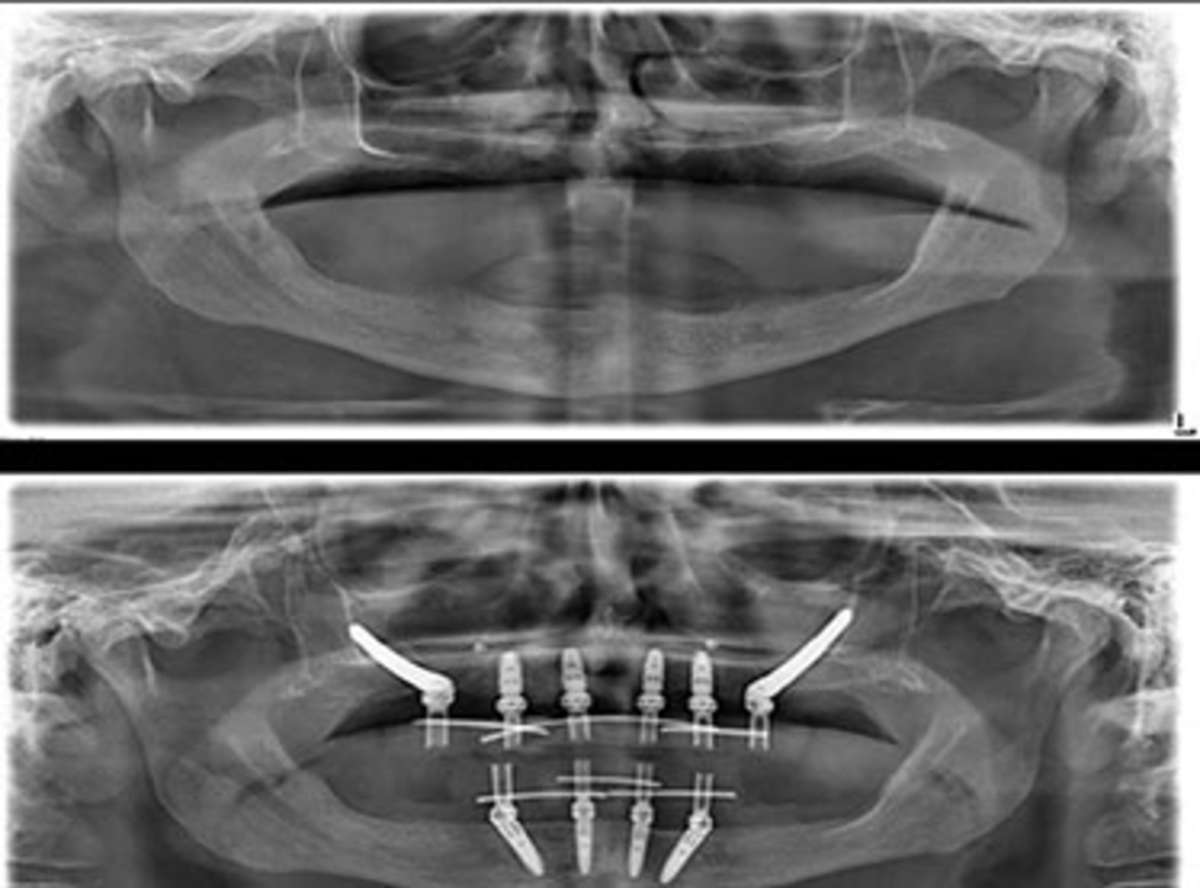
- Panoramic radiographs: pre-treatment, post-surgical, post-final-restoration
- Intraoral STL files: final digital impressions and prosthetic design files
- Clinical photographs: pre-treatment, selected intraoperative, final outcome
- Lab files: design files for final restorations, allowing reproduction or modification by a NZ lab if ever needed
- All consent forms and treatment plan documentation
The USB is provided physically at discharge. The same files are uploaded to a secure cloud portal accessible by you and, with your written consent, by your NZ GDP.
3. The Patient-Facing Summary (3 pages, plain English):
- What was done
- What to expect over the next 12 months
- What you must do: recall cadence, nightguard wear, hygiene visits, soft-food during integration
- What to watch for that warrants contact with us or your GDP
- Emergency contact information
Questions about this procedure?
How Do We Deliver the Handover?
Three channels ensure no record is lost in transit and your NZ GDP has the information before you walk into their practice.
Channel 1, Secure cloud portal: patient and GDP login credentials provided. Browser access to all records from any device. GDP can download or annotate directly.
Channel 2, Direct email to your NZ GDP: within 5 NZ business days of your discharge. Includes clinical summary, portal access credentials, invitation to phone or video call the treating clinician, and named SD contact details. First-time SD handover recipients also receive a one-page introduction explaining our protocols and clinical partnership model.
Channel 3, Hard-copy mail: printed clinical summary, pre/post photo prints, and USB drive couriered to your NZ home address by international tracked post within 14 days of discharge. Includes a printed letter you can hand to your GDP at your first appointment.
Ready to discuss your options?
What Does Your NZ GDP Do at Each Follow-Up Interval?
At the 12-month mark, Stunning Dentistry closes active case status and the NZ GDP becomes the sole point of clinical surveillance. We remain available for warranty claims, second opinions, and revision work indefinitely.
Imaging costs at NZ private rates (April 2026): panoramic radiograph approximately NZD 95–145 per scan; CBCT approximately NZD 280–450 depending on field of view. These are paid at your GDP's standard rate as part of ongoing care, not included in our treatment fee. We fund the 6-month interval panoramic under our standard care package if your GDP bills us directly.
| Time Point | What the NZ GDP Does |
|---|---|
| Within 3–4 weeks post-return | Clinical examination of prosthesis; soft-tissue check; occlusion verified. No imaging required unless clinical findings suggest otherwise. |
| 3-month review | Hygienist appointment with implant-specific cleaning protocol. Clinical examination. |
| 6-month review | Hygienist + clinical examination + **panoramic radiograph** to establish year-1 baseline. |
| 12-month annual review | Hygienist + examination + panoramic radiograph. Nightguard condition reviewed. |
| Ongoing annually | Annual examination; 6-monthly hygiene (we recommend this as the permanent cadence for implant patients); biennial panoramic; CBCT every 3–5 years where clinically indicated. |
Curious about costs and timelines?

What Is the Recommended Hygiene Cadence?
Implant patients should attend hygiene reviews every 3 months during the first 12 months post-restoration. The integration phase is when soft-tissue health most affects long-term outcome. Frequent professional cleaning with disciplined home care meaningfully reduces the risk of peri-implantitis, the leading long-term complication of implant treatment.
After 12 months: 6-monthly hygiene for life. High-risk profiles (smokers, diabetics, prior periodontal disease history) should remain on 3-monthly indefinitely.
NZ private hygiene appointment cost: approximately NZD 145–220 per session. The recommended hygiene cadence costs approximately NZD 580–880 for year one, and NZD 290–440 per year ongoing. This is a real ongoing cost of implant treatment to factor into long-term financial planning.
Want a personalised treatment plan?
What If Your NZ GDP Is Hesitant to Take On the Case?
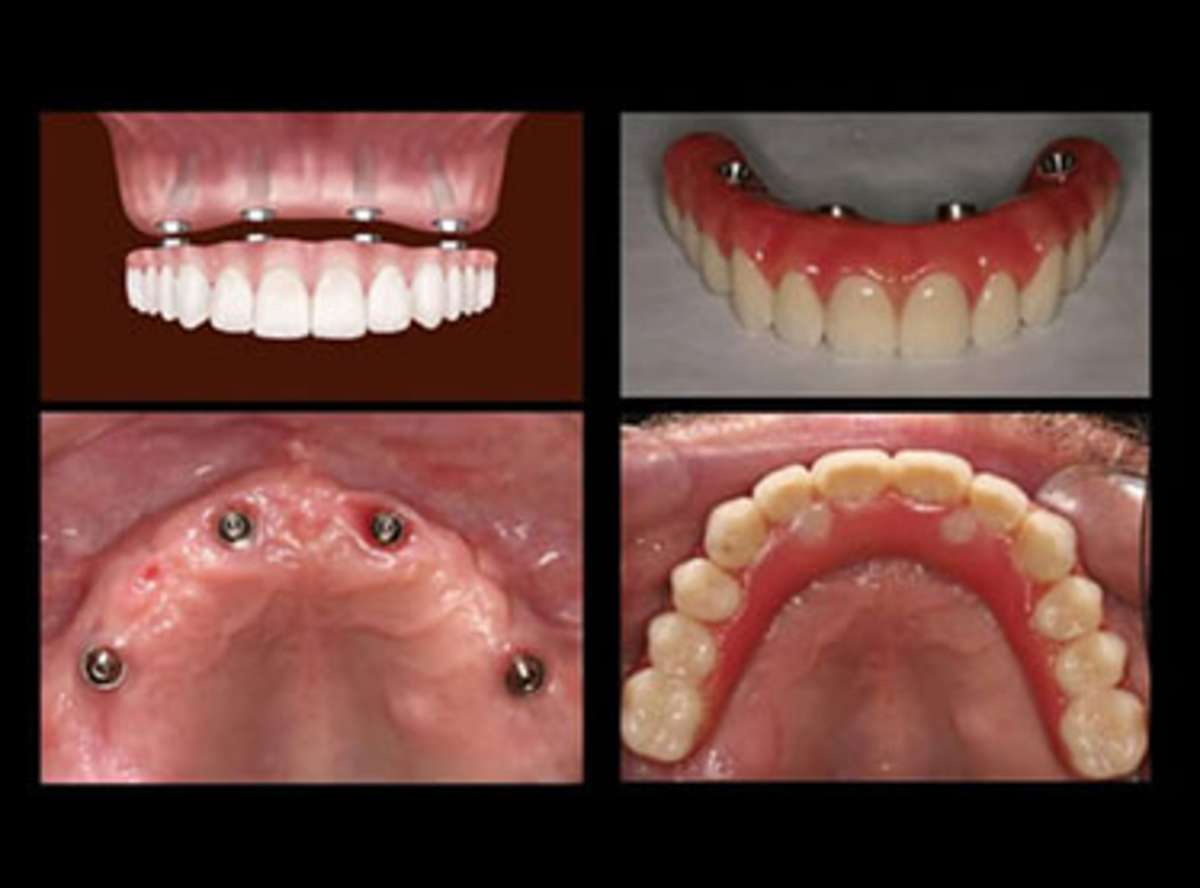
A minority of NZ general dentists are hesitant to take on aftercare for international implant cases. Reasons range from professional concerns about unfamiliar protocols to genuine clinical caution where the GDP has limited implant experience.
Approach 1, Send the GDP the records pack and offer a video call. Before your first post-return appointment, we email the GDP the complete clinical summary, provide portal access, and offer a 15–30 minute video call with the treating clinician. Most professional concerns dissolve when the GDP sees the documentation quality.
Approach 2, Refer to a partner NZ GDP. We maintain a list of NZ general dental practitioners who routinely take on aftercare for international implant cases, practices in Auckland, Wellington, Christchurch, Hamilton, Tauranga, Dunedin, and some smaller centres. None pay or receive referral fees from us.
Approach 3, Refer to an implant-experienced specialist for the maintenance phase. For complex cases (zygomatic implants, multi-arch reconstructions, revision cases), maintenance by a NZ implantologist or prosthodontist may be the right structure. Specialist visit cost: typically NZD 280–380 versus NZD 145–220 at GDP level.
We will not push a reluctant GDP to take on the case. Patient outcomes depend on having a willing and competent GDP, not a reluctant one. We will help you find the right alternative, non-negotiably, because returning to NZ without ongoing dental care arranged is the single most preventable risk in the international treatment pathway.
Questions about this procedure?
Who Is Responsible for What?
| Responsibility | Stunning Dentistry | NZ GDP |
|---|---|---|
| Surgical implant placement | Yes | No |
| Fabrication of bridges and crowns | Yes | No |
| Initial healing oversight (first 14 days) | Yes, in person | No |
| Healing oversight (weeks 3–26) | Coordinator + remote clinical review | First post-return review |
| Routine hygiene | No | Yes, lifelong |
| Annual examination and surveillance | No (after 12 months) | Yes, lifelong |
| Annual imaging | No | Yes |
| Minor occlusal adjustments | Provisional phase only | Lifelong |
| Significant occlusal adjustments | Yes, warranty period | Refer to SD |
| Warranty claims and replacement | Yes | Refer to SD |
| Complications (peri-implantitis) | Coordinated | Coordinated |
| Unrelated emergency dental work | No | Yes |
Ready to discuss your options?
What Happens If Something Goes Wrong After You Return?
Discomfort or function concern in early weeks post-return: contact your coordinator. Video assessment with treating clinician within 24–48 hours. Most early concerns resolve with conservative management.
Suspected peri-implantitis or bone loss on routine imaging: NZ GDP contacts us with the imaging. Our clinical team reviews and recommends the appropriate pathway, conservative management, NZ specialist referral, or return to India (we cover travel costs in qualifying warranty cases per the warranty page).
Bridge fracture, debond, or component failure: photographs and clinical detail to your coordinator. Most prosthetic failures are repairable; some require India return for replacement.
Acute pain, infection, or trauma: treat acutely in NZ first. NZ Healthline 0800 611 116, your GDP's emergency line, or hospital ED for severe presentations. Notify us as soon as you are clinically stable.
Curious about costs and timelines?
What If You Change NZ GDP Mid-Case?
Notify your coordinator with the new GDP's name, practice, and contact details. We re-issue the clinical summary, portal access credentials, and direct introduction email within 5 NZ business days. We offer the new GDP the same 15–30 minute video call with your treating clinician. This is a routine transition we manage 4–5 times monthly across our patient base.
Want a personalised treatment plan?
People Also Ask
Q: Does my NZ GDP need to be an implant specialist to take on aftercare?
No. A general dentist with good clinical skills and willingness to engage with our records and protocols can provide adequate aftercare for most implant patients. For zygomatic cases or complex multi-arch revisions, we recommend a GDP with implant experience or specialist referral for the maintenance phase.
Q: What if I do not currently have a NZ GDP?
We help you find one before you travel. Returning without ongoing dental care arranged is a preventable risk. Your coordinator will assist with finding a suitable GDP in your area as part of the pre-travel coordination.
Q: Can my NZ GDP access my records if they need to urgently modify an occlusal adjustment?
Yes. Records are accessible via the secure cloud portal. For minor, medically necessary adjustments, your GDP contacts your coordinator to notify us, and we document the modification in your case file. For elective modifications, we ask for a review call with our clinical team first.
*Support Hub | Lifetime Warranty | Patient Coordinator | Ella Watson | May 2026*
Questions about this procedure?
Specialist-only treatment planning
- Remote file review before travel
- Evidence-led treatment checkpoints
No waiting list for eligible cases
- Remote file review before travel
- Evidence-led treatment checkpoints
Trip coordinated with care timeline
- Remote file review before travel
- Evidence-led treatment checkpoints
Our Partners











Why Us
See your new smile instantly!
This tool will help you understand potential structural and aesthetic changes before finalizing treatment decisions.